


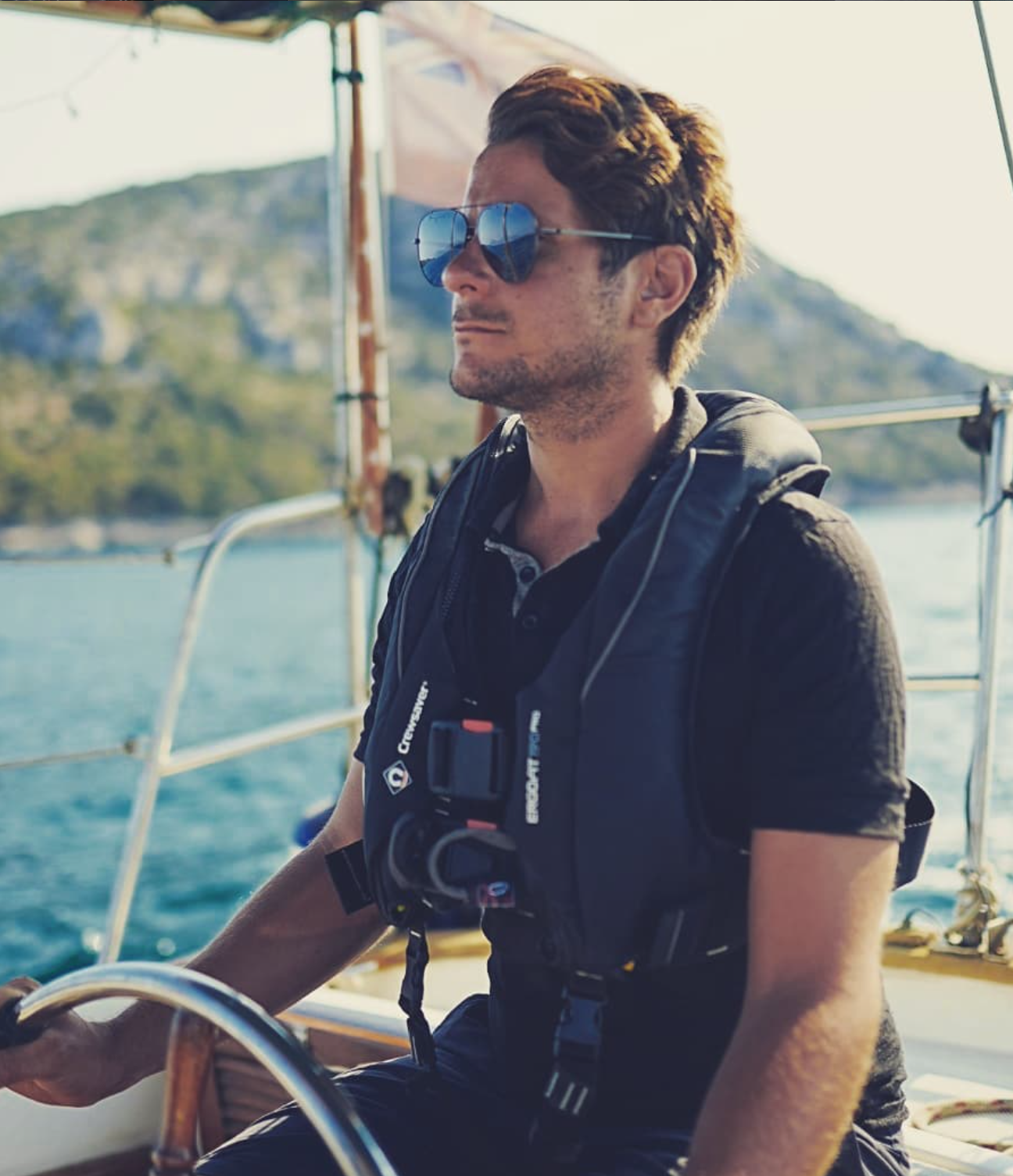
Start with the job
We define the intended user and use case before feature lists or scores.
About Gear Reviews
We build useful gear coverage around real tasks, clear tradeoffs, and the details that still matter after the unboxing is over.


Why we exist
Gear is only useful in context. A tent can be exceptionally light and still be the wrong shelter for a windy campsite. A pack can have every pocket imaginable and still carry poorly when the trail turns steep.
Our job is to connect those tradeoffs to the way people actually travel: what they carry, how long they stay out, which conditions they face, and which compromises they can live with.
The verdict is not “best.” It is “best for whom, and why?”
Editorial principles
Every conclusion should trace back to a task, a condition, a comparison, or a clearly stated judgment.
We define the intended user and use case before feature lists or scores.
We record conditions, duration, load, setup, fit, controls, and failures.
Weight, durability, comfort, simplicity, and price pull against one another.
Testing framework
The process is simple enough to repeat across categories and specific enough to keep the final review grounded.
State the user, use case, and competing priorities before testing begins.
Record conditions, duration, load, fit, setup, and the product’s core tasks.
Repeat awkward tasks and note what still works when tired, cold, wet, or gloved.
Explain who benefits, who should skip it, and what the design gives up.
Independence
Commercial relationships should never buy a score, a conclusion, or approval over final copy. When a sample is supplied, a link is affiliated, or a material fact changes, readers should be able to see it.
Manufacturers may offer products for consideration, but a sample never guarantees coverage or a positive result.
Talk to the team