
Quick verdict
As close to a proper mattress as we have found outdoors
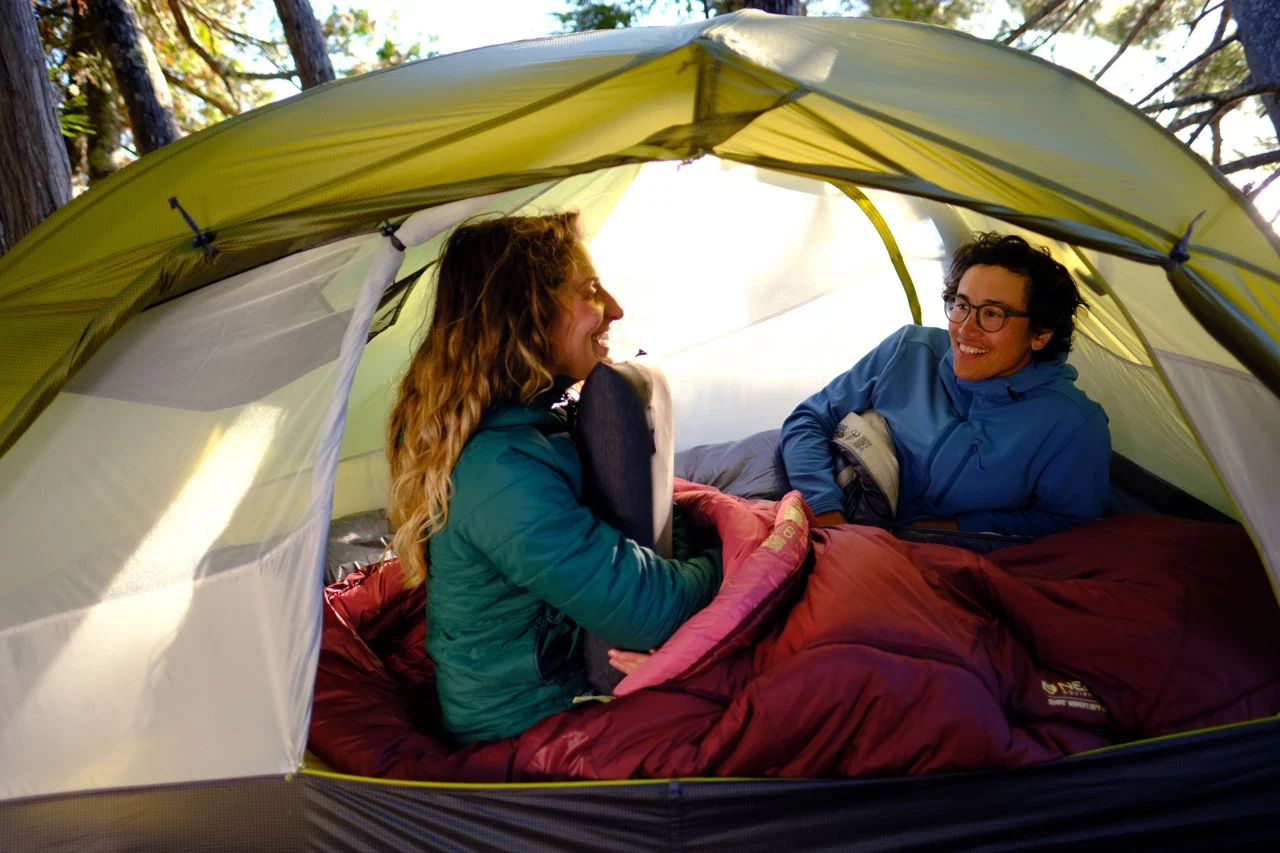
After 90 consecutive nights, the Roamer's appeal is easy to understand. Four inches of foam-backed support kept hips and shoulders off rough ground, the surface stayed quiet, and two Singles linked together made a convincing double bed. The price and packed size rule it out for lightweight travel, but both are easier to accept when this is your bed every night for months.
What works
- Bed-like support without the bounce of a basic air mattress
- Warm enough for every night in our 18°C to 1°C test range
- Soft, quiet top fabric and no overnight air loss
- Firmness is easy to fine-tune while lying on it
- Two Singles stay together securely with the built-in toggles
- Deflates quickly and packs smaller than some rival luxury mats
What to know
- Expensive at $259.95 per Single
- Bulky for hiking and awkward without a car or bike trailer
- The pump sack opening could be wider
- The intake valve insert can pull out with the cap if handled carelessly
- Best stored unrolled with the valves open
- A slight seam remains between linked mats
Verdict
The NEMO Roamer earned its 4.8 rating by making a three-month run of camping feel sustainable. It is thick, warm and unusually quiet, with enough give for two side and front sleepers who normally accept a lot of discomfort outdoors. Carrying two Singles for 10km was possible, and we did it, but there is a lot of bulk. For long stays, family camping and base camps, the comfort return is excellent.
How we tested it
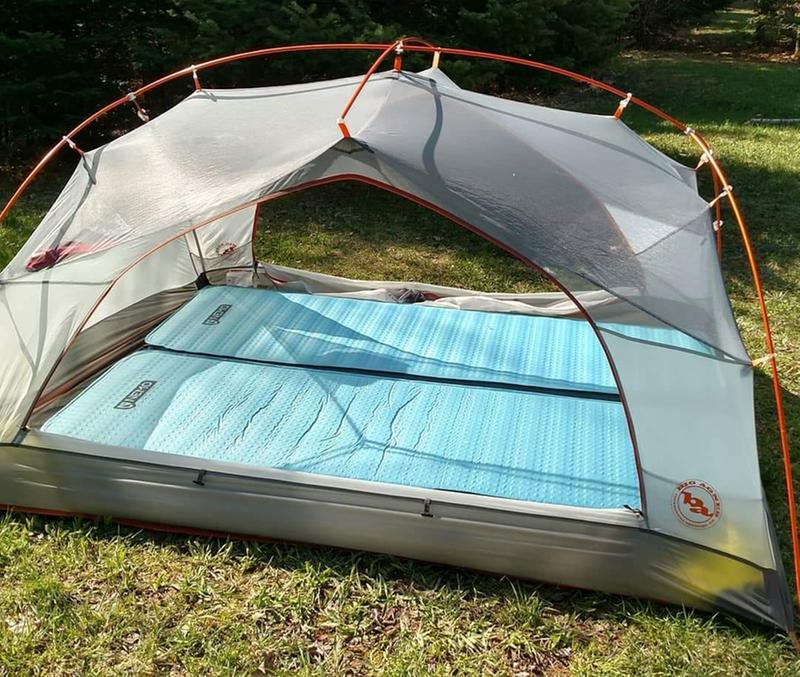
We bought two regular-size Roamer Singles for $259.95 each. NEMO did not supply them, pay for the review or know that we were testing them. We chose the Roamer because the claims about its comfort and insulation were getting so much attention on Reddit and elsewhere. The mattresses served as our bed for 90 straight nights while hiking and camping around Quebec, including Saguenay National Park, Hautes-Gorges and the Gulf of St Lawrence.
Most transfers were by car, though some camping locations required hikes or bike-trailer approaches of more than 10km. Overnight temperatures ranged from 18°C down to 1°C. The two sleepers were a 6ft man and a woman around 5ft 6in, and both regularly sleep on their sides and fronts.
We plan to use the Roamers in a sailing-boat cockpit next summer. That is future testing and does not form part of this verdict.
Comfort and support
The Roamer does not have the hollow bounce of a conventional air bed. Its foam core supports the body more evenly and, at four inches thick, neither of us bottomed out through a hip, shoulder or elbow. It remained comfortable through a whole night without the pressure points we expect from thinner backpacking pads.
Side sleeping was particularly good because the hips could settle without reaching the ground. Front sleeping also felt natural. Fully inflated, the pad can feel too firm, so we usually lay down and released small amounts of air until the surface gave in the right places.
The stretch top is soft, quiet and far less slippery than the shiny nylon used on many lightweight mats. Turning over did not produce the crisp-packet rustle that can make a shared tent annoying. A fitted sheet made it feel even more like a normal bed during warmer spells.
Two Singles as a double bed
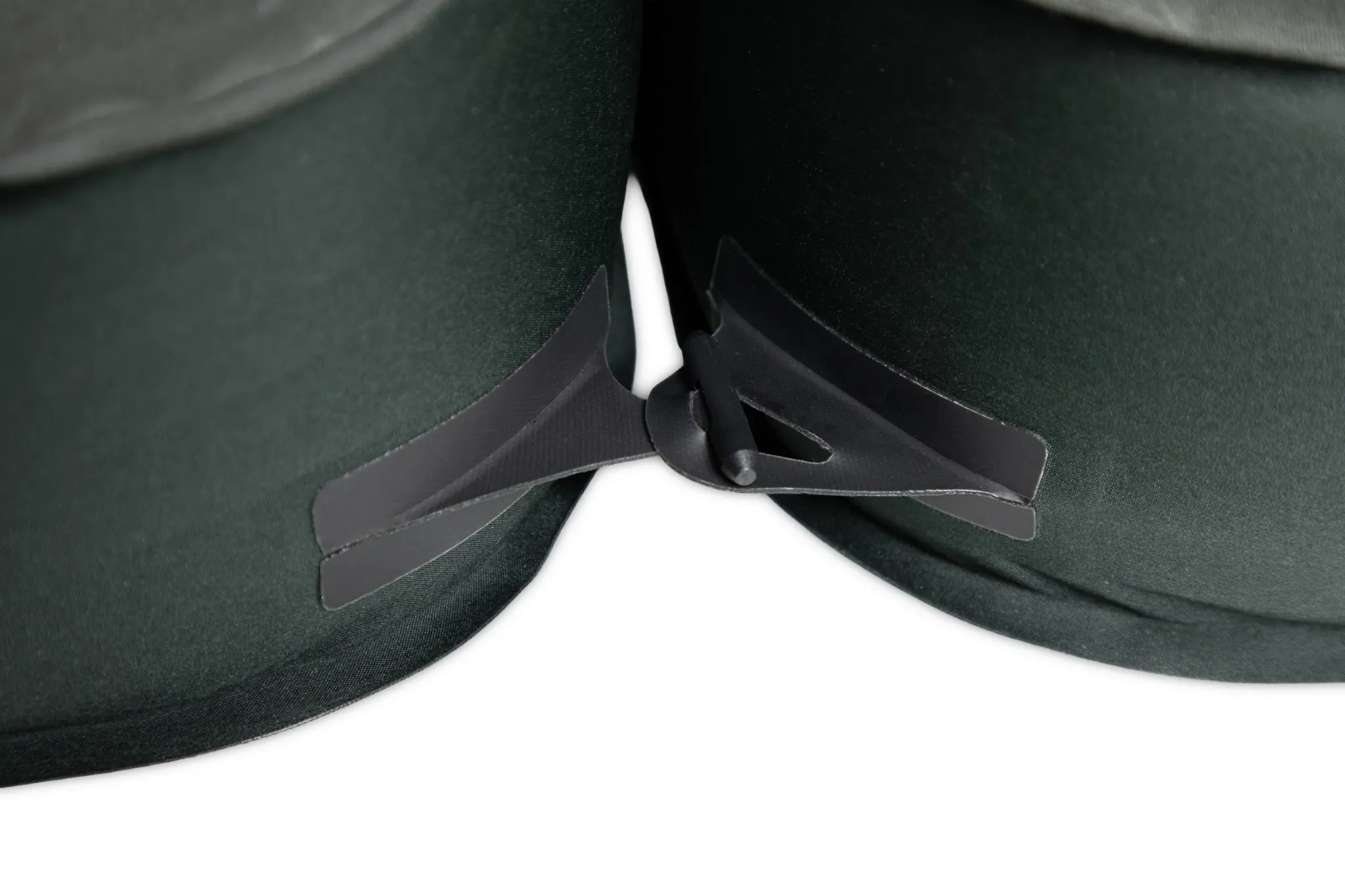
The built-in toggles were one reason two Singles made sense for us. They held the pads together throughout the test, including when both sleepers changed position, and we never woke to find a widening gap. You can still feel the meeting line in the middle, but it did not become a meaningful comfort problem.
Separate pads also let each sleeper adjust firmness independently. That is useful when body weights and sleep positions differ, and it avoids transferring much movement from one side to the other. The rectangular shape and vertical edges make nearly all of the stated width usable.
Warmth from 18°C down to 1°C
We never felt cold coming up through the mattress, including on the coldest 1°C nights. That result supports the current Roamer's high-insulation design within the conditions we actually experienced. We did not test it below freezing, so this review does not claim a winter limit.
At the warm end of the test, the foam could feel a little warm against the body. A sheet helped, and the trade was easy to accept for the insulation available when temperatures dropped.
Inflation and firmness control
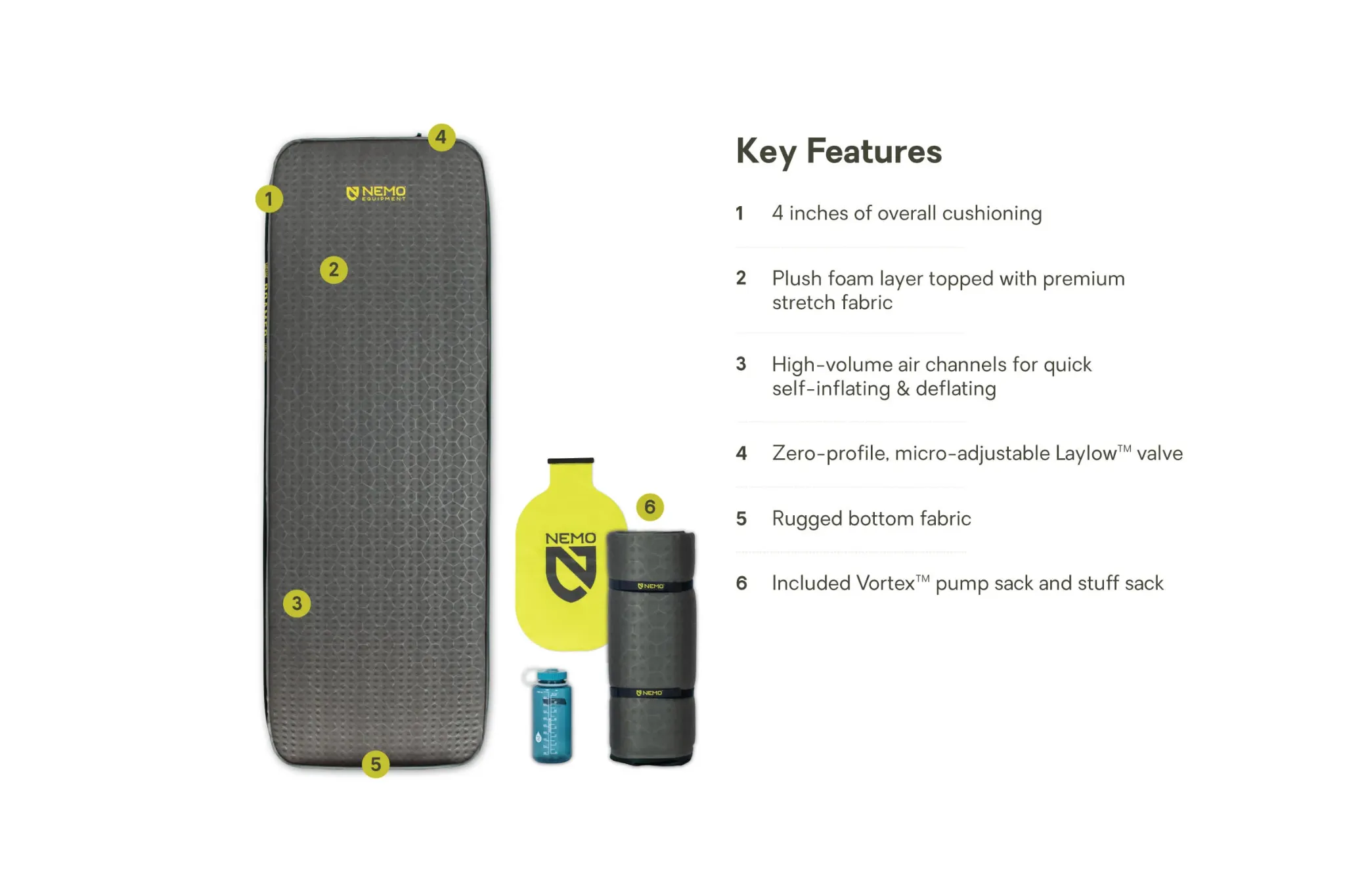
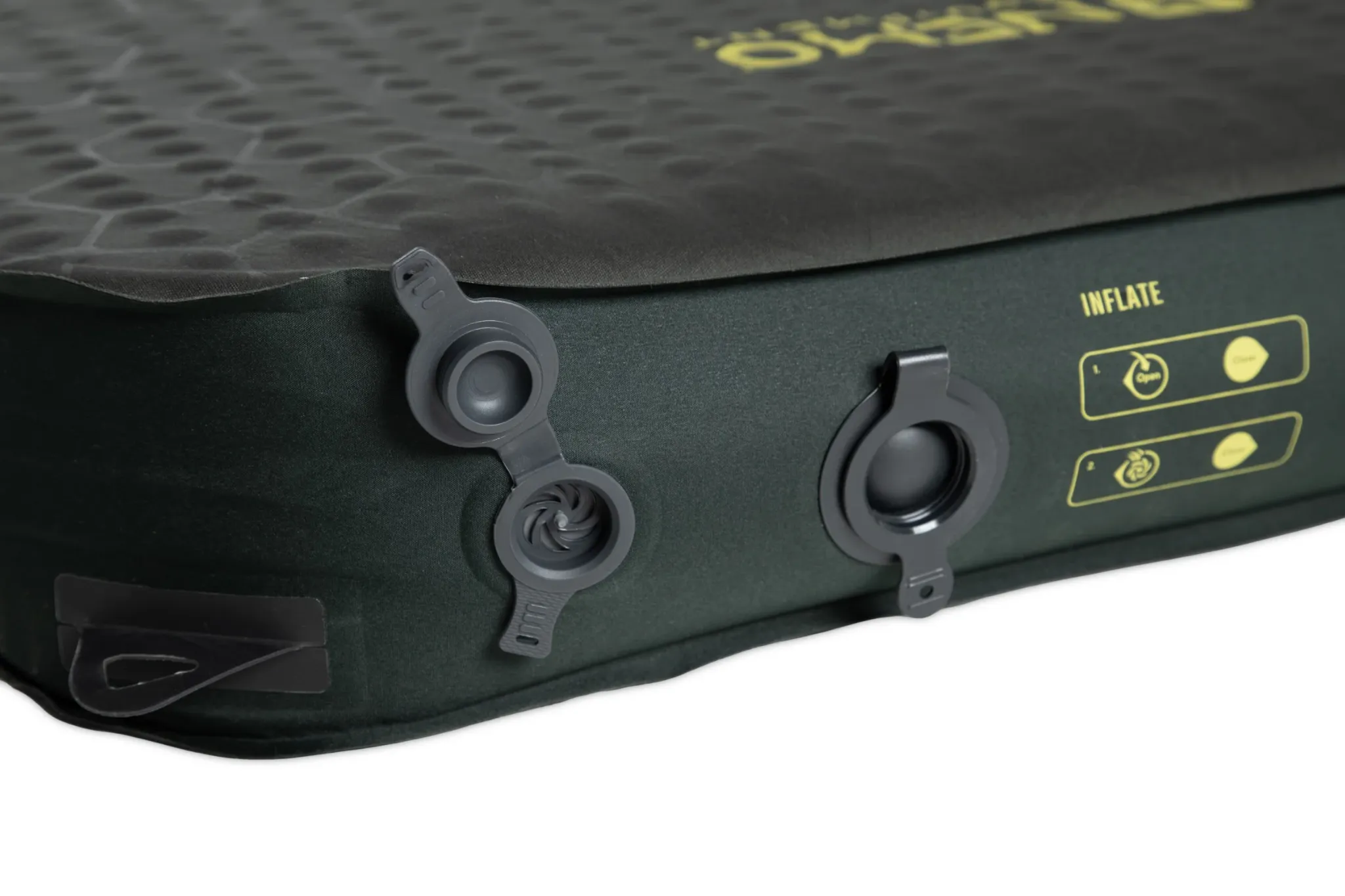
Opening the intake valve and leaving each pad for 10 to 15 minutes did most of the inflation. We normally needed another two or three Vortex pump-sack fills for a firm starting point. The sack connects easily, although its opening is narrower than ideal when trying to capture air inside a small tent.
The Laylow valve's small adjustment button is excellent. A few taps release controlled bursts of air, so we could tune each mattress after lying down instead of guessing beside it. One detail needs care: pulling the intake cap abruptly can bring the internal valve insert with it and release the air. Holding the inner ring with a thumb prevents that.
Packing and transport
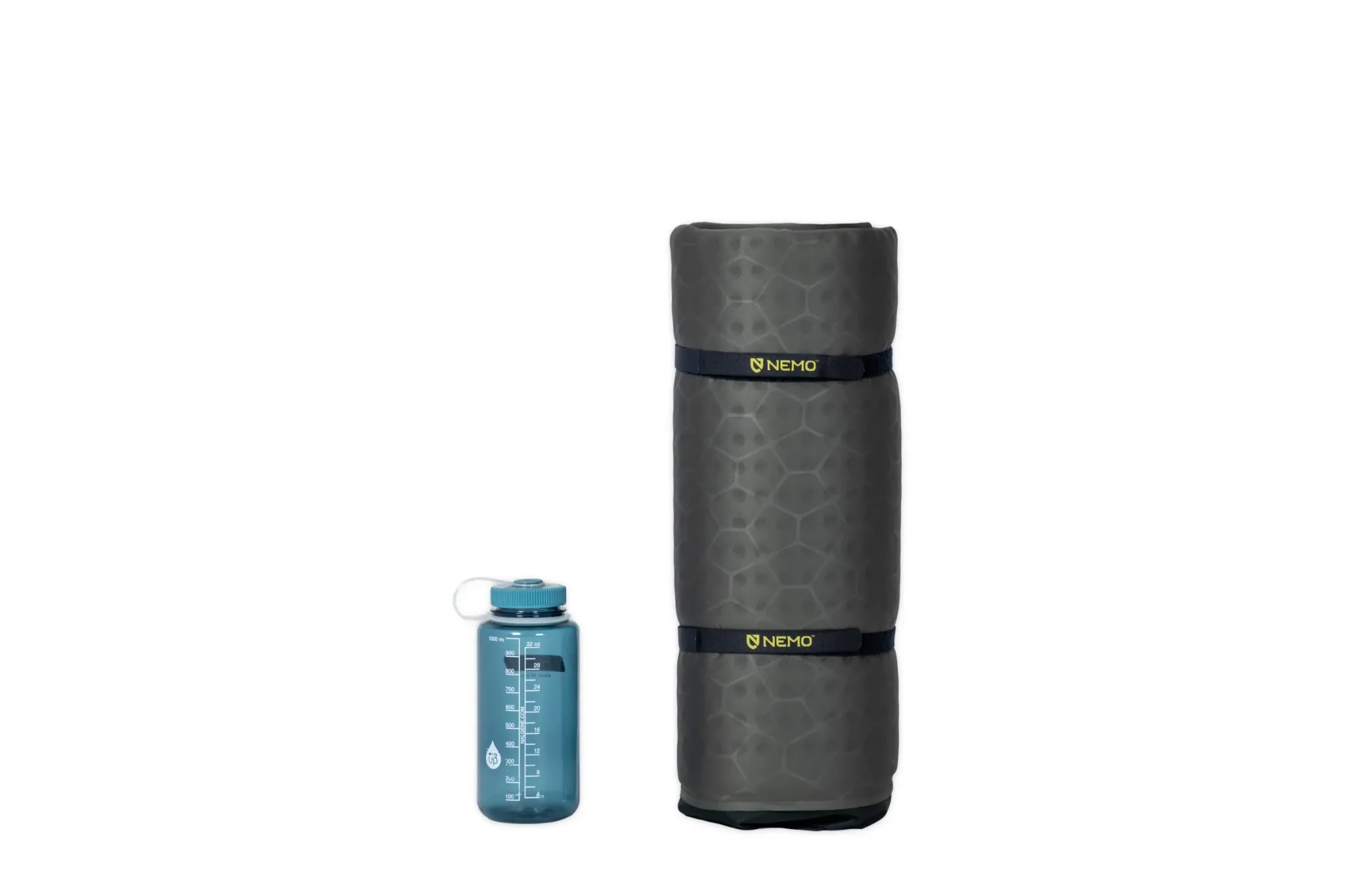
The dedicated dump valve empties the mattress quickly and does not pull air back in while you roll it. Even so, packing takes knees and body weight. Our routine was to fold, compress, close the valve, then unroll and make one final tight roll before fitting the retaining strap.
Each Single returned to its supplied bag without a fight, but two rolled mattresses still occupy meaningful space. We carried them more than 10km when a campsite demanded it, and a bike trailer made the job far more reasonable. A determined person can move one on foot. For routine backpacking, a much lighter pad makes more sense.
Durability after 90 nights
Neither mattress developed a puncture, leak, stretched seam or delamination. Both held pressure overnight and the foam continued to rebound after repeated packing. The rugged lower fabric coped with rough ground beneath the tent, while the softer face collected some dust but cleaned easily with a damp cloth.
The valves and connecting toggles still worked normally at the end. The small tether on a valve cap looks like the component most likely to fatigue first. At home, these foam mats are better stored open and unrolled with their valves open rather than left compressed for months.
Value and alternatives
At $259.95 each, our two-pad setup was a major purchase. The comfort justified it during a 90-night test because sleep quality affected every following day. Short-trip campers who only go out a couple of weekends each year may find the cost and storage harder to defend.
The Exped MegaMat 10 and Therm-a-Rest MondoKing 3D are the closest comparisons we have used. The Roamer retains the thick, stable feel expected from this category while rolling down comparatively well. Lightweight inflatable pads win decisively for carrying, but none we have used feels this close to a mattress at home.
Who it suits
The Roamer is at its best for car camping, base camps, festivals, couples linking two Singles, and anyone whose back or joints make thin pads a barrier to sleeping outside. It can be hauled into a remote camp when the comfort matters enough, especially with a bike trailer. Ounce-counting backpackers and people with very limited storage should look elsewhere.
Key specifications
| Model tested | Two regular Roamer Singles |
|---|---|
| Thickness | 4 in / 10 cm |
| Current stated R-value | 7.0 |
| Price paid | $259.95 each |
| Test duration | 90 consecutive nights |
| Temperature range | 18°C to 1°C |
| Included accessories | Vortex pump sack, stuff sack, retaining strap and repair patches |
| Manufacturer involvement | None |
Scoring breakdown

Sources & context
What we checked
All performance observations, temperatures and durability findings come from our independently funded 90-night field test. Current construction, R-value and included accessories were checked against NEMO's product information.
Editorial disclosure: We bought both mattresses with our own money. NEMO had no involvement in the test and did not review this article before publication.