
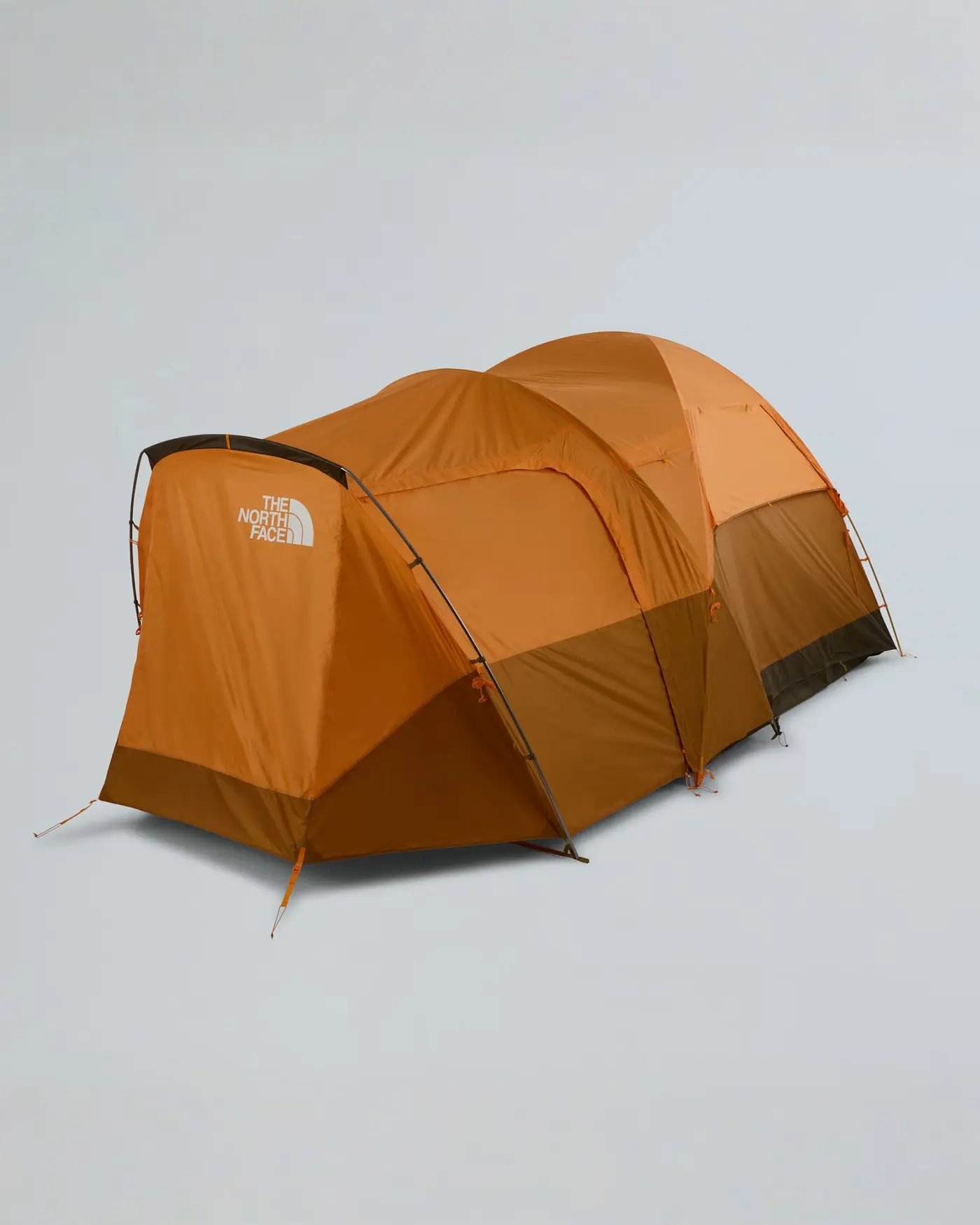
I bought The North Face Wawona 6 with my own money for £300 and then lived in it for 30 consecutive nights in Cornwall with another adult and two young children. The North Face did not supply the tent, sponsor the trip or know this review was being produced. A full month of family camping during an intense summer heatwave gave us plenty of time to discover whether this enormous orange shelter earns its footprint, or is merely enormous and orange.
Quick verdict
The Wawona 6 is an excellent family car-camping tent when comfort, storage and a sheltered transition between outdoors and sleeping space matter more than a fast pitch or compact packed size. Four people can live in it comfortably, the huge front vestibule is one of the most useful features I have found on a family tent, and the hybrid double-wall construction kept condensation essentially absent during our month-long stay. Six people can lie down inside, but that is the sardine-tin definition of capacity. For two adults and two children it feels generous; for two people on a longer stay, it feels almost luxurious.
What works
- Excellent usable space for two adults and two children
- Enough height to stand and move around comfortably
- Massive vestibule works as a gear store, mud room and sheltered seating area
- Excellent airflow and essentially no condensation in our hot-weather test
- Strong DAC MX poles and guylines felt secure in heavy wind
- No meaningful signs of wear after 30 consecutive nights
What to know
- The advertised six-person capacity is much tighter than most families will enjoy
- Long main poles are prone to snagging in their sleeves during a solo pitch
- The separate vestibule pole and non-freestanding porch add setup time
- Supplied L-shaped stakes feel basic for such a large tent
- At roughly 19.5 pounds, this is strictly a car-camping shelter
- Abundant mesh makes it drafty for cold-weather use
The verdict
The Wawona 6 succeeds because its space changes how a family campsite functions. When you are wrangling a toddler and an infant outdoors, space matters. You need somewhere to put wet shoes without losing them, somewhere to park a pushchair, somewhere to move a bag while changing a child, and somewhere to sit when the weather turns without climbing over everybody's sleeping kit. The Wawona gives you that breathing room.
Its defining feature is the vestibule. Calling it a porch undersells it. In practice it becomes a staging area between the campsite and the sleeping compartment: muddy boots come off there, chairs can be dragged under cover when rain arrives, and bulky items such as a food cooler can stay shaded and out of the main tent. It is the difference between having a large place to sleep and having a workable little family basecamp.
The trade-off is that you have to pitch the whole thing. Compared with a small dome, the long crossed poles, sleeves, additional vestibule pole, large fly and necessary guying add quite a lot of work. It is a two-person job if you want the process to remain civilised. Once familiar, we were generally looking at ten to fifteen minutes. Fine when staying for days or weeks. If your holiday involves moving to a new campsite every morning, the same routine will quickly feel like admin.
How I tested the Wawona 6
Our test covered 30 nights back to back at one campsite in Cornwall. Two adults and two children used it as their primary shelter throughout an intensely hot summer spell. That is long enough for novelty to wear off, for packing systems to evolve, for minor annoyances to become obvious and for clever features to prove whether they remain useful.
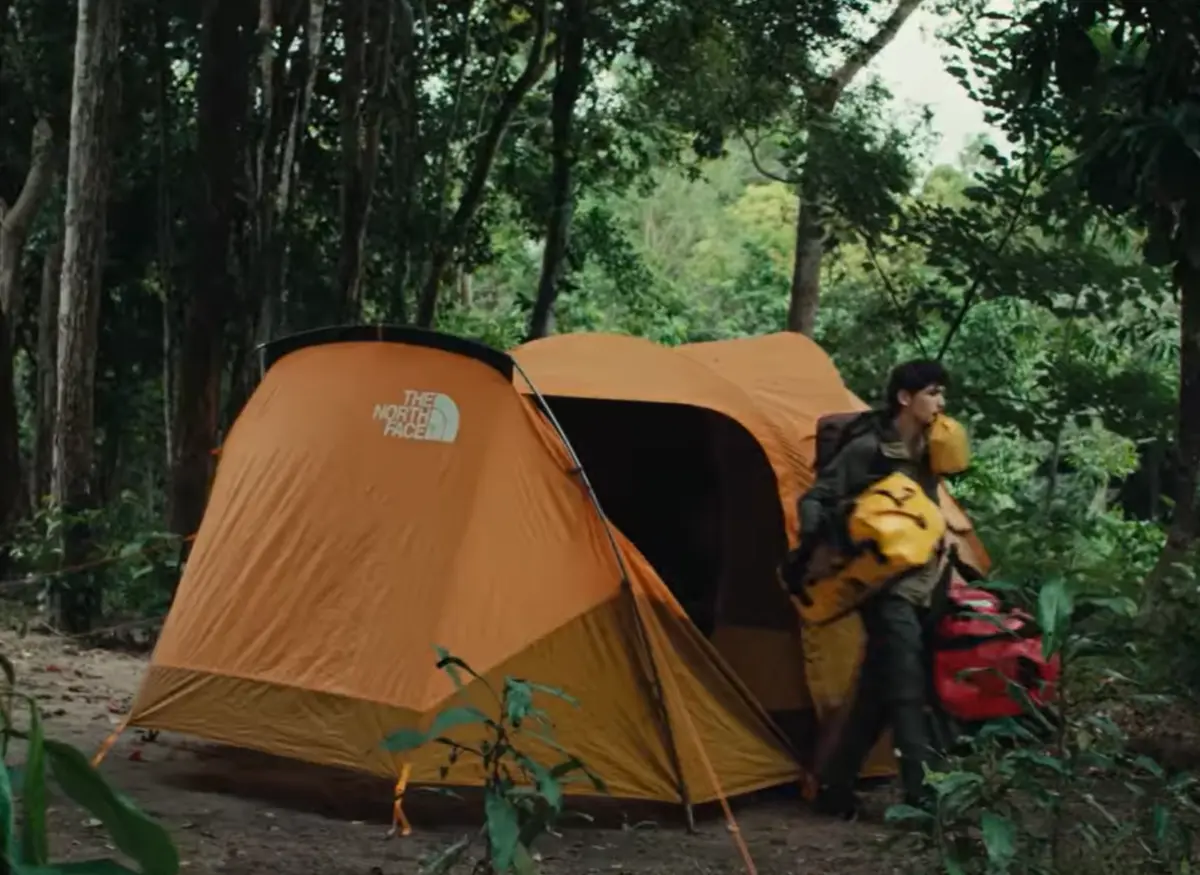
Most of the test took place in heat, so ventilation and shade mattered more often than storm resistance. We did, however, get one spell of heavy rain and experienced strong wind. The tent stayed dry, and the thick DAC MX aluminium poles and external guylines gave the structure a reassuringly planted feel. We upgraded the supplied stakes, which I consider a sensible change for a tent with this much fabric and such a large non-freestanding vestibule.
Because this was a fixed family camp rather than a touring trip, the Wawona was operating in its ideal environment. The car dealt with the weight, and the long stay meant the effort of pitching was repaid over dozens of nights. That context is important: my verdict would be much less enthusiastic if I had needed to carry it down a trail or pack it away every morning.
Four-person comfort in a six-person tent
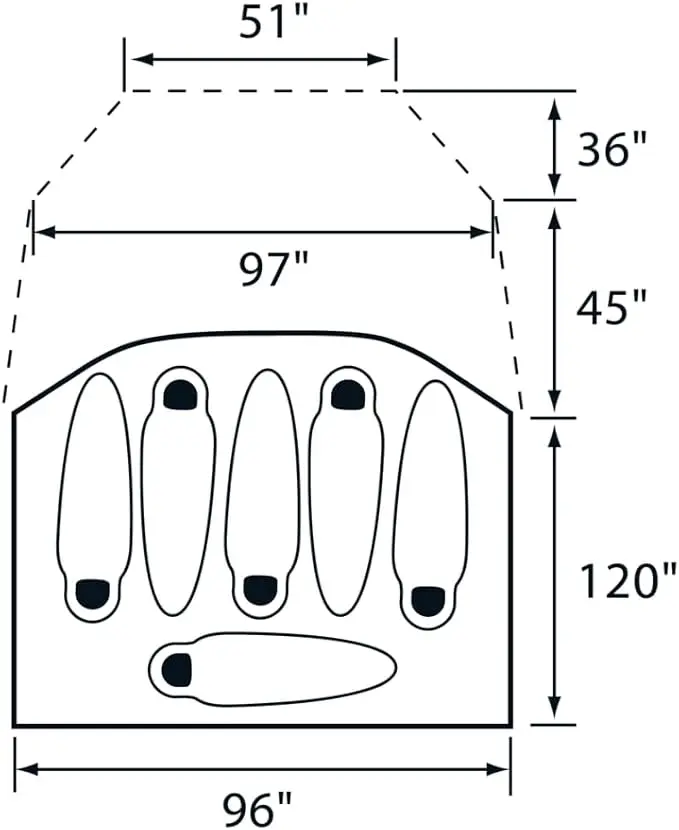
Tent capacity ratings deserve translation. Six people can lie down across the Wawona's 8-square-metre floor, but they will be using almost every available inch. That may be acceptable for a group that only needs somewhere to collapse after a festival or a night at a trailhead. For comfortable family camping, it falls well short. With four occupants, the Wawona feels right. There is room for proper sleeping mats, clothing and the normal sprawl created by two children without every bedtime becoming a game of human Tetris.
For longer trips, I personally like using a nominal six-person tent for two people. The extra room lets you organise equipment, change clothes and wait out poor weather without living on top of your companion. With two adults and two children, the Wawona still gave us the practical freedom that smaller family tents often lack. You can stand comfortably, which sounds like a luxury until you spend a month repeatedly dressing children, finding misplaced kit and moving bedding around.
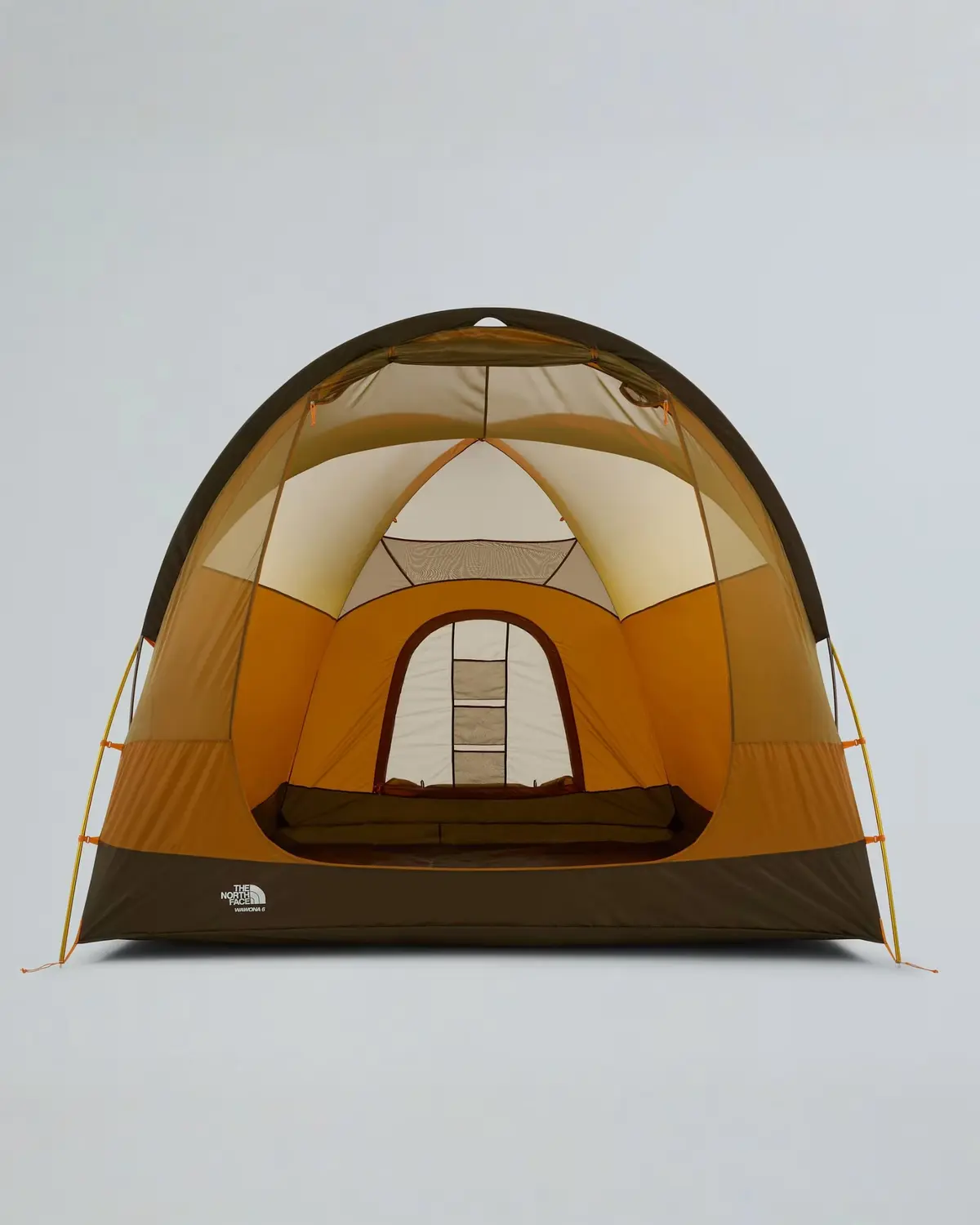
The shape also matters. The Wawona is tall enough to stand beneath and sufficiently upright that the height is usable rather than confined to one tiny point in the centre. Internal organisation and ceiling pockets help keep small essentials visible. Those details will not sell a tent on their own, but after several weeks they reduce the low-grade chaos that can make family camping tiring.
The vestibule is the reason to buy it
The front vestibule covers a manufacturer-stated 4.2 square metres, with another 2 square metres at the rear. Numbers aside, the front section feels huge. It can swallow footwear, bags and a pushchair while leaving a clear route to the inner door. When rain starts, camp chairs can come under cover instead of being folded immediately. When children are sleeping, an adult can sit outside the inner tent while remaining sheltered.
That separation is useful for food storage too. A cooler does not need to occupy valuable sleeping space, and keeping it in the shaded vestibule is preferable to baking it in direct sun. The vestibule is not a secure food store and normal wildlife precautions still apply, but as an organisational zone it is outstanding.
There is a structural cost. The vestibule is not freestanding. It depends on its dedicated pole, stakes and guylines, so you cannot treat guying as an optional finishing touch. It must be properly tensioned to retain its shape and weather resistance. On hard ground, or when trying to squeeze into a tight pitch, that requirement is less convenient than a fully freestanding design.
Pitching is the weak point
The North Face uses colour coding to make the architecture understandable, but understanding the sequence does not make the tent small. The most frustrating stage is feeding the massive initial X-shaped poles through the sleeves. Working alone, the pole joints can snag as you push them through, and walking repeatedly from one end to the other becomes tedious. A second person who can guide fabric over the pole changes the experience considerably.
After the main body is standing, the separate pole and extra work required for the vestibule make this more involved than a conventional dome tent. Allow roughly ten to fifteen minutes once you know the system. Longer for a first attempt or difficult conditions. For month-long basecamp, that setup time barely mattered. For a road trip involving a different campsite every night, it becomes one of the Wawona's biggest drawbacks.
The included L-shaped aluminium stakes are usable, but they do not feel proportionate to a tent of this size. We upgraded them, and I would recommend stronger stakes if you expect exposed ground or unsettled weather. With suitable anchors and all the guylines properly tensioned, the finished structure is far more convincing than the supplied pegs initially suggest.
Rain, wind and hot-weather performance
Our single heavy-rain test was a success. The sleeping area stayed dry and the vestibule gave us somewhere to manage wet equipment before entering the inner tent. One storm is not a laboratory endurance test, but combined with 30 days of continuous use it is meaningful evidence that the current hybrid double-wall version can handle normal three-season family camping when pitched correctly.
Wind performance was also good. The DAC MX pole set feels substantial, and the external guylines distribute load across the large structure. A tent this tall presents plenty of surface area to the weather, so site selection and careful staking remain important. I would not mistake it for a low-profile mountain shelter, but within its car-camping brief it inspired confidence.
The heatwave was a tougher test of everyday comfort. There is a lot of mesh, the front door is enormous and the double-wall arrangement allows air to move rather than trapping every breath against a single waterproof layer. We stayed reasonably cool considering the conditions. The orange colour also deserves a warning: The North Face calls it Light Exuberance Orange. I call it retina-damage orange. It does not matter whether the sun comes out because you can get a tan off that bad boy. It is definitely not the tent for stealth camping.
Excellent ventilation, limited winter warmth
Condensation was essentially a non-issue throughout our stay. That is a major strength for a large family shelter because four people generate a great deal of moisture overnight. The mesh-heavy inner gives that moisture somewhere to go, while the fly provides the weather barrier outside it. Even in sustained hot conditions, the interior remained far more liveable than a closed, heavily panelled tent would have been.
The same design explains the Wawona's seasonal limit. This is definitively a three-season tent. In freezing conditions, the airflow that feels wonderful in summer will feel drafty. The large volume also takes more body heat to warm than a compact shelter. I would happily use it for spring-through-autumn family camping in suitable weather, but I would choose something more enclosed and purpose-built for winter.
Durability after a month of continuous use
After 30 consecutive nights, our Wawona showed essentially no meaningful wear. The fabric, floor, mesh, zips, poles and attachment points all came through the trip looking ready to repeat it. That does not equal years of ownership, but continuous occupation is harder on a tent than a handful of isolated weekends. Doors are opened constantly, children lean on things they should not, grit travels everywhere and the structure spends weeks exposed to ultraviolet light and changing temperatures.
The 150-denier polyester floor feels suitably robust for a family tent, while the 75-denier fly and canopy balance durability with a packed weight that is already substantial. I would still use a footprint or groundsheet on rough pitches, not because our floor showed weakness, but because protecting a large, expensive tent from sharp debris is inexpensive insurance.
Packed size and transport
At approximately 19.5 pounds, the Wawona 6 is strictly a car-camping tent. The North Face lists a total weight of 19 pounds 7 ounces on its current US specification and 9.5 kilograms on the UK page, with a lower trail weight for the core components. Whichever figure applies to how you pack it, nobody should interpret the word “trail” as an invitation to take this backpacking.
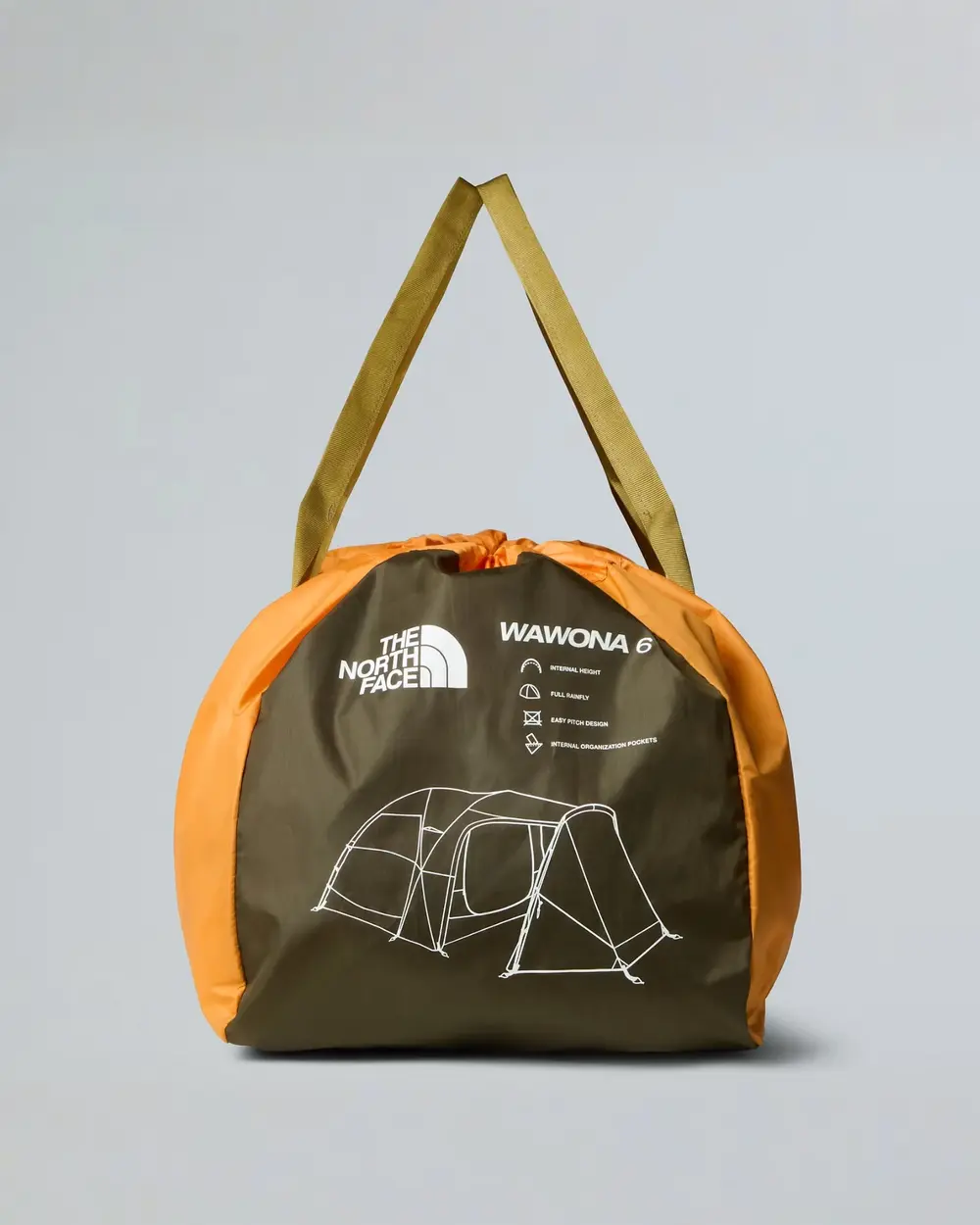
The duffel-style bag is fine: easy enough to handle, spacious enough when the tent is folded with reasonable care, and otherwise unremarkable. The package fits comfortably into a normal car boot alongside family camping equipment. Carry it from the vehicle to the pitch and it makes sense. Carry it any meaningful distance along a trail and you will begin reconsidering several life choices.
Value and who should buy it
I paid £300, and at that price the Wawona 6 represents very good value for a family that camps regularly. The current UK list price was £460 when this review was written, which makes the decision more demanding. The build quality, DAC poles, interior volume and unusually capable vestibule are premium features, but the full retail price places it among serious family camping investments rather than casual weekend purchases.
Buy it if you travel by car, tend to remain at one campsite for several nights and value liveable space. It is especially well suited to families with young children because the vestibule becomes a dry garage, mud room and staging area. It also makes an indulgently roomy tent for a couple on an extended stay.
Avoid it if you need to backpack, have a very small pitch, expect regular freezing conditions or move camp daily. The pitch is not disastrously difficult, but repeated every morning and evening the long sleeves and separate vestibule structure will become a chore. The Wawona is at its best when you erect it once, organise it properly and allow it to become home for a while.
I would use it again. After a month, the inconveniences were clear. The benefits affected us all day, which mattered more. The Wawona 6 will never be the quickest or lightest roof for four people. For a spacious, organised and comfortable family camp, though, it is one of the better tents I have used.
The North Face Wawona 6 specifications
| Category | Six-person family car-camping tent |
|---|---|
| Construction | Hybrid double-wall |
| Capacity | 6 stated; 4 recommended by our tester for comfortable family use |
| Floor area | 86.11 ft² / 8 m² |
| Vestibule area | Front: 44.7 ft² / 4.2 m²; rear: 21 ft² / 2 m² |
| Total weight | 19 lb 7 oz / 8.82 kg on current US specification; UK page lists 9.5 kg |
| Trail weight | 19 lb 4 oz / 8.7 kg |
| Pole set | DAC MX aluminium |
| Fly and canopy | 75D polyester taffeta, 1200 mm PU coating, non-PFC DWR |
| Floor | 150D polyester, 1500 mm PU coating, non-PFC DWR |
| Current UK list price | £460 at time of review; reviewer paid £300 |
| Test status | Purchased by reviewer; 30 consecutive nights with two adults and two children |
| Manufacturer involvement | None. No free sample, sponsorship or copy approval. |
Scoring breakdown
Sources & context
What we checked
This review is grounded in Adam's 30-night family camping test. We checked the current product specification and UK list price directly with The North Face so that measurements, materials and version details reflect the refreshed hybrid double-wall Wawona 6.
Editorial disclosure: Adam bought this Wawona 6 with his own money for £300. Gear Reviews received no payment, free product or editorial approval from The North Face.