
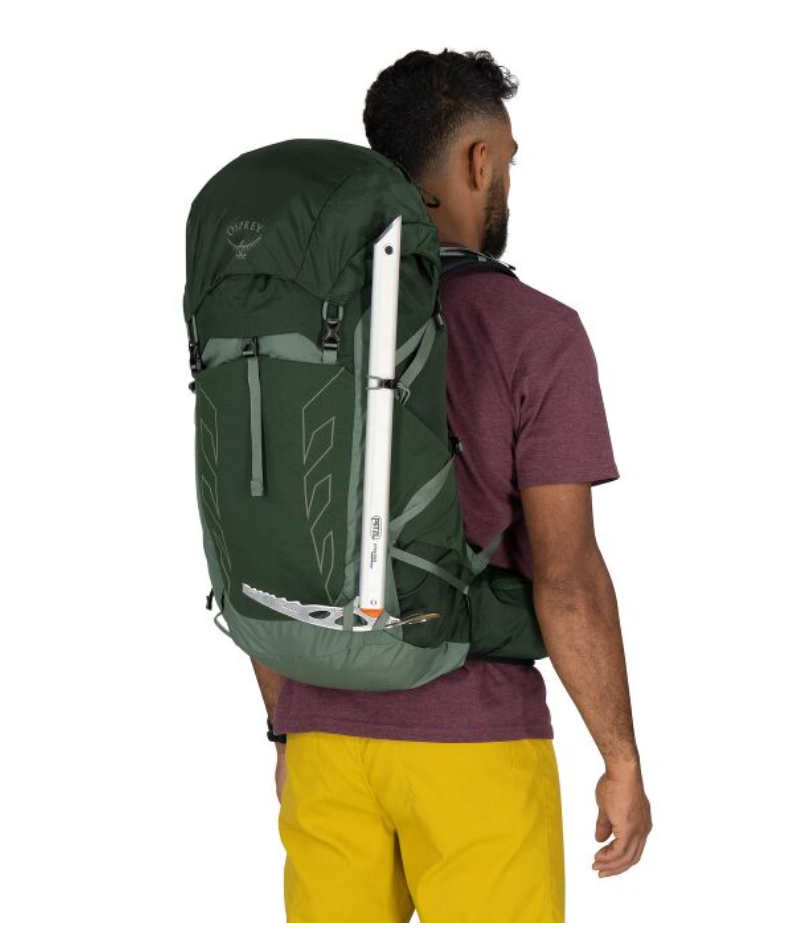
I bought the Green Canopy/Pine Leaf Osprey Talon 33 for $205 and carried it on roughly 35-40 hiking days over one Quebec summer. Osprey did not supply the pack or contribute to this review. My partner had our baby in an ergonomic carrier, so food, water, spare clothes and most of the small emergencies that come with hiking as a family went on my back. We walked five to ten miles at a time, from sandy stretches by the Gulf of St. Lawrence to the steep stone steps of Hautes-Gorges. The Talon was bought for that work, and I ended up trusting it with a load of around 22-24 pounds on our full days.
Quick verdict
The Talon 33 hit the size I wanted for family day hikes. It carried a substantial shared load close to my back, transferred weight to my hips and stayed composed on rocky climbs. The adjustable fit, accessible small pockets and quick pole storage all earned their place. I got tired of taking the pack off every time someone needed a bottle, and a top-loader is never fun when the wipes are under three jackets. I would still buy it again at $205.
What works
- Comfortable and stable with 22-24 pounds of family gear
- Adjustable torso and hipbelt kept the load close on steep ground
- 33 litres held food, water and spare layers for four
- Front mesh, hipbelt pockets and pole attachment proved useful
- No damaged fabric, straps or buckles after a busy summer
What to know
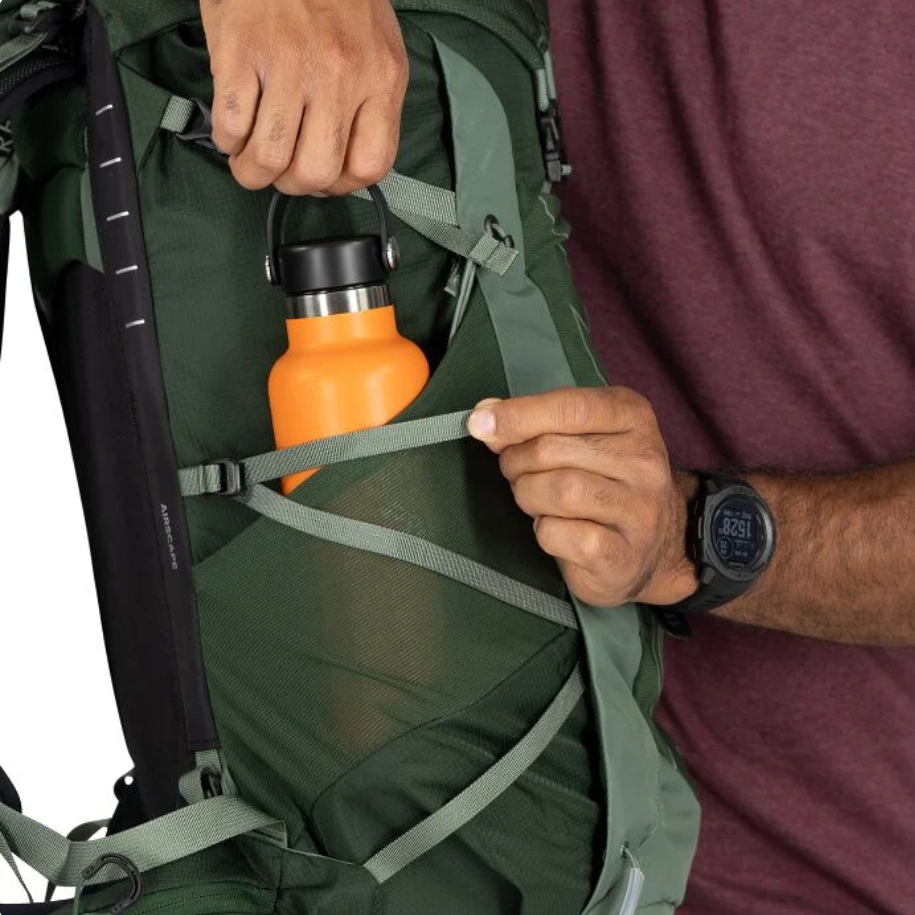
- Side bottles were hard to reach while wearing the pack
- Top-loading access made items at the bottom slow to find
- Top lid sat awkwardly when the main bag was nearly empty
The verdict
The Acropole des Draveurs climb is the day I think of when somebody asks about this pack. The trail rises hard through rocky steps, and I had nearly 25 pounds of food, water and spare family kit on me. My partner was carrying the baby. I needed to be able to help our older child over awkward rocks without a bag pulling me backwards every time I leaned or turned. The Talon hugged my back and stayed in place.
That close carry is the main reason I rate it so highly. The hipbelt took weight off my shoulders, the pack moved with me on the rougher ground, and the compression straps kept it steady when we ate through our food and the load shrank. A few well-placed pockets kept snacks and small things near my hands. I could pause to help a child, stash my poles and keep moving without laying everything on the ground.
Some of the same design choices work less well during a family day out. A top-loading main bag holds bulky layers easily, but the thing you need can end up at the very bottom. The deep side pockets hold bottles securely and make them maddeningly difficult to reach without taking the pack off. We stopped often enough for drinks that this became a real nuisance. Those faults cost it points, though neither made me wish I had brought my old 20-litre pack.
A summer as the family pack mule
Over three months I used the Talon on about 35 to 40 hiking days in the Laurentians and elsewhere in Quebec. Most outings were five to ten miles and lasted three to six hours. The ground changed a lot: long, flatter sand and coastal paths by the Gulf of St. Lawrence, wooded trails and the relentless stair-like climbing in Hautes-Gorges. I took it out on warm days, in mud and around rough granite. Salt spray reached it on the coast.
My partner carried our baby in an Ergo-style carrier, leaving me with the shared supplies for four. A normal full bag held food, several bottles or a hydration bladder, fleece layers, rain shells, an oversized first-aid kit and wet wipes. A full load was around 22-24 pounds. Osprey publishes a 10-30 pound load range for the current Talon 33, so I was carrying it toward the upper half of that range. On a short outing we used some of the food and water and the bag became noticeably lighter. I used the same pack in both states rather than swapping to a smaller day bag after lunch.
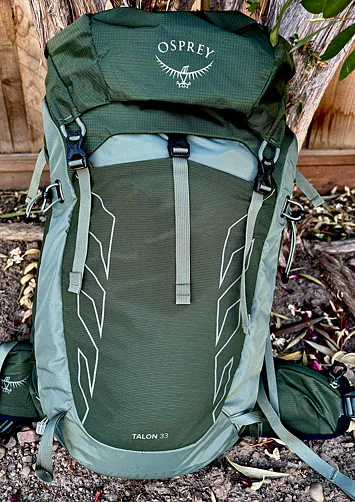
The right amount of room for four
Thirty-three litres sounded generous for a day hike when I bought it. Once I started packing for two adults, an older child and a baby, it was honestly only just enough. Extra fleeces and rain shells are bulky even though they don't weigh that much. Food for everyone, water, wipes and a proper first-aid kit fill the remaining space quickly. I could still get the load inside without lashing jackets all over the outside though. It was probably just about right.
I had previously used an Osprey Daylite Plus, a 20-litre pack that is handy for a lighter solo day. Its smaller body and lack of a load-bearing hipbelt wouldn't have kept up with my family load out. The Talon 33 gave me both the room and the support to carry what we needed. I did consider the Talon 22, with its zippered panel opening, because I like easier access to the main compartment. But the extra eleven litres won out, and I'm glad because we regularly filled them with layers and food that would otherwise have ended up dangling outside, or simply being left behind.
At the other end of the scale the Talon could be cinched down on days when we needed less. That also meant it could keep a fairly slim shape on the return leg after drinks and lunch were gone.
A fit I could tune, and a load that stayed put
I am six feet tall, and a pack that looks good on paper can still land awkwardly on my torso. The Talon's sliding yoke gave me a useful range to work with. I separated the hook-and-loop fastening at the back, moved the harness close to the top of its adjustment, then settled the hipbelt and shoulder straps under a full load. Once I had it there, I did not keep fiddling with it on the trail.
On the Hautes-Gorges climbs, the hipbelt carried its share. I could feel the firm framesheet keeping the bag upright as I stepped up and over stone, while the flexible harness and belt allowed my shoulders and hips to move. My shoulders and hips still felt good at the end of long, steep outings. The pack stayed close enough that I did not feel a heavy pendulum behind me when I turned sideways or reached to help our older child.
We started some days with four people's water and food and ended with empty bottles and wrappers. I tightened the side compression straps, and the bag kept its shape instead of bouncing.
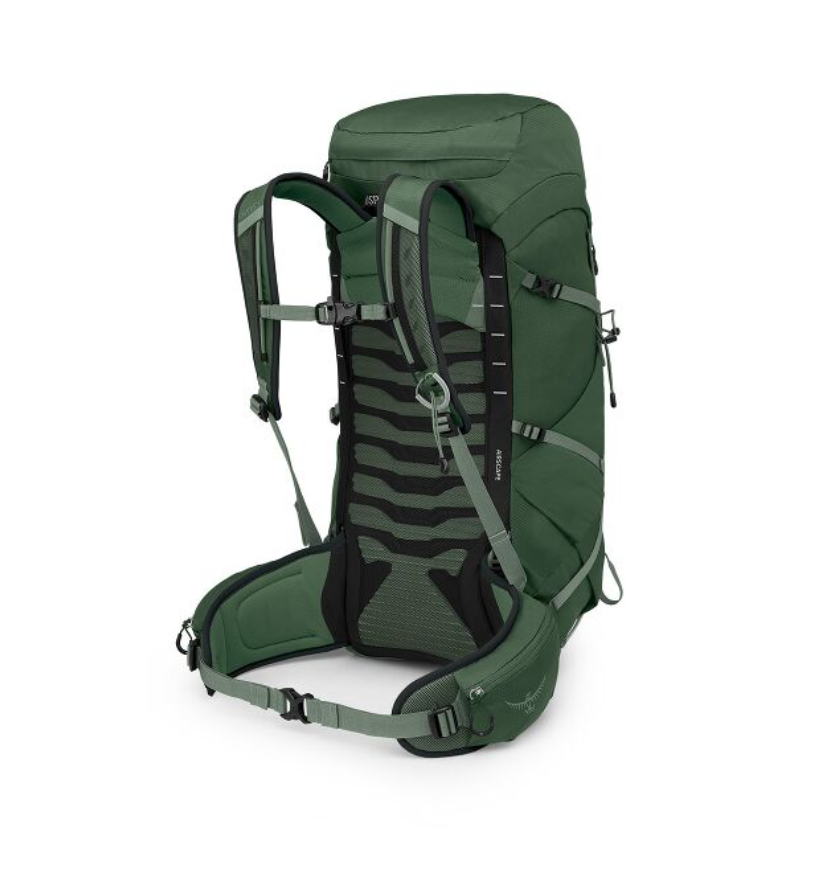
Summer comfort on a close-fitting back panel
The Talon sits against the back rather than hanging away from it on a suspended mesh frame. On a hot climb I still got sweaty; there is no magic way to stay dry while carrying more than twenty pounds uphill in summer. The moulded AirScape panel has channels that let air move across parts of my back, and I found it breathable for such a close-fitting pack. I never felt as though the panel was holding a sheet of damp fabric against me for the whole afternoon.
I preferred the way it handled to the extra gap I have felt on some more suspended packs. On rock steps, bringing the weight close to my spine mattered more to me than chasing the coolest possible back. If heat management is your single biggest concern, it is worth trying on a suspended-mesh design as well. For my hikes, the Talon's balance of airflow and stability was right.
The pockets that kept us moving
The two zipped hipbelt pockets got constant use. Toddler snacks, my phone and keys went there so I could reach them without asking anyone to wait while I opened the main bag. The top-lid pocket held maps and sunscreen. The large stretch pocket on the front took wet rain shells after a shower or an overheated climb. I was happy to keep those away from the spare dry layers inside.
There is plenty of space in the main compartment, and its top opening makes it straightforward to drop in a family pile of fleeces and food at the start of the day. But on the flip side, if the baby wipes ended up beneath three jackets, I had to stop, open the lid and dig. Packing them nearer the top helped, but family hikes rarely follow the neat order I imagined while loading the car. The little essentials belonged in the outer pockets whenever they would fit.
The lid bothered me most when the main compartment was nearly empty. With less inside to give the top some shape, it sat loosely and flopped about. I could tighten the surrounding straps, but the tidy, full-pack feel was harder to keep. It was a minor annoyance on the way back to the car, not something I noticed while the family load filled the bag.
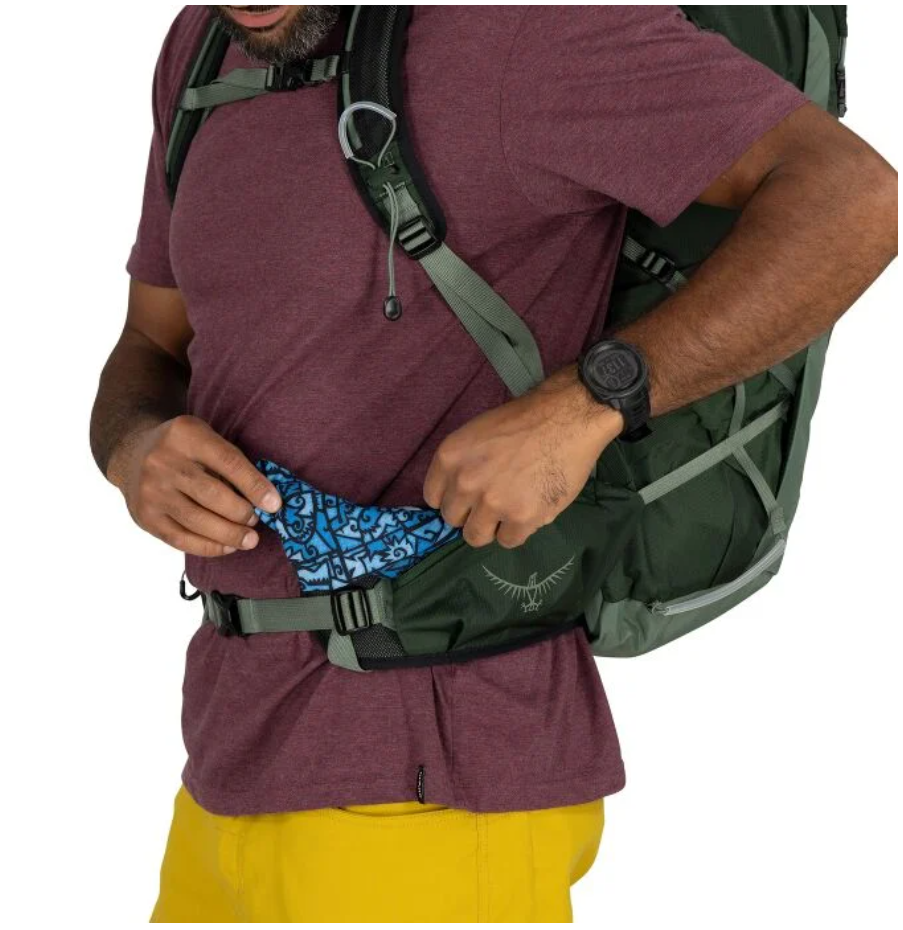
The bottle-pocket frustration
I wanted the side bottle pockets to work as well as the hipbelt pockets. They are deep and held a Nalgene securely on uneven ground. Getting that bottle out while wearing the pack was another matter. The opening is at the top, and I could not reach far enough back to pull out a full bottle and return it cleanly. When our older child wanted water, I usually took the pack off.
Repeated drink stops made that awkward reach a regular nuisance on warm family walks. I could carry a hydration bladder and drink from the hose myself, but the children's bottles still had to come out. I would love a side opening that allowed a hand to reach a bottle from the front. If you depend on bottles rather than a bladder, try this reach in a shop with the pack fully loaded. My shoulders were not flexible enough to make it work.
Poles, water and the features I left alone
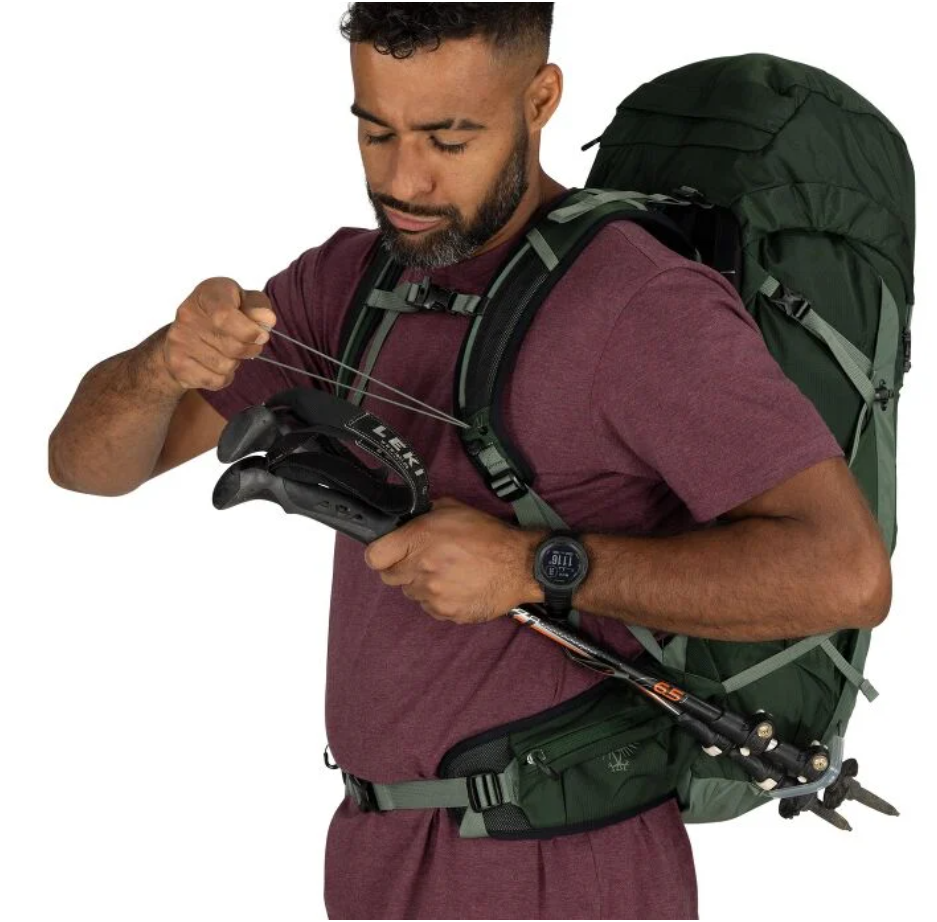
The Stow-on-the-Go pole attachment made sense as soon as I had to free both hands on a rocky step. I could tuck away my trekking poles while wearing the pack, help our older child and then retrieve them on easier ground. It was quicker than setting poles down and wondering where they had rolled. The dual side compression straps were nearly as valuable when the contents thinned out.
The reservoir sleeve was another convenience during refill stops. I could get at the bladder without unpacking the whole main compartment, which kept everyone's food and spare layers where they belonged. I used the hipbelt pockets far more than any of the technical attachments. The ice axe loops never saw use, and honestly I would not count them among the reasons to buy this particular bag.
Scrapes, mud and a season of family use
The bag brushed against granite, landed in mud and spent time near salt spray over those three months. I can find signs that it has been outdoors, but the main fabric and reinforced base have not shown serious abrasion or a tear. The narrow webbing and buckles looked a little slight to me when I first picked it up. None has snapped, warped or worked loose under the loads I carried.
Osprey uses recycled nylon in several weights across the bag, with a tougher fabric on the bottom. The published material specification helps explain the weight savings and reinforcement, though I judge durability here from this one summer of use. I cannot say how the pack will look after years of dragging it across rock. For the 35-40 days I can speak to, the stitching, straps and pockets are still ready to go.
I used the front mesh pocket for wet shells and dealt with the mud afterwards. I would put a liner around spare dry clothing if I expected sustained heavy rain; my trips did not establish that the pack is waterproof. The Talon kept doing its job through the ordinary wet and dirty moments of summer hiking without demanding delicate handling.
What I would carry instead
The Daylite Plus still has a place when I am out alone with a small lunch and a layer. With a family load around 22-24 pounds, I want the Talon's hipbelt and larger main compartment. The Talon 22's panel access is tempting for frequent stops, but its smaller volume would have been the wrong trade for our food and clothing. The 33 became the pack I reached for whenever all four of us were leaving the car together.
For a longer trip, I have carried the Hyperlite Unbound 40. Its extra volume belongs to a different kind of load, including overnight gear. I have also used the much larger Osprey Atmos AG LT 65 for multi-day trips. Both offer useful context for capacity and carrying style, but neither would make my family day hikes easier. I wanted a close, manageable day pack that could still take everybody's layers and water.
Worth $205 for this job
Yes, I would pay $205 for it again. The capacity removed the awkward outside lash-ups I would have needed with a smaller bag, and the suspension made full-load days comfortable enough that I stopped thinking about the pack itself. The Acropole climb could easily have exposed a loose or poorly balanced carry. Instead, it gave me confidence to move over the rocks and help the family through them.
I would recommend the Talon 33 to a parent carrying supplies for several people, or to someone who needs a compact bag for a light overnight. It makes less sense if you need instant access to the bottom of the main compartment or expect to grab side bottles while walking. Those two access problems are real; they are also the only things that kept an otherwise excellent summer companion from scoring higher. My rating is 4.6 out of 5.
Osprey Talon 33 details
| Version tested | Talon 33, Green Canopy/Pine Leaf, one size |
|---|---|
| Volume | 33 L (Osprey specification) |
| Dimensions | 68 x 30 x 31 cm (Osprey specification) |
| Weight | 1.26 kg / 2.78 lb (Osprey specification) |
| Published load range | 10-30 lb / 4.5-13.6 kg |
| Typical tested load | About 22-24 lb of family day-hike gear |
| Back system | Adjustable AirScape panel with BioStretch harness and hipbelt |
| Access | Top-loading main compartment and floating top lid |
| Price paid | $205 USD |
| Field use | Roughly 35-40 hiking days across three months in Quebec |
Scoring breakdown
Sources & context
What this review draws on
Adam bought the Green Canopy/Pine Leaf Talon 33 and carried it on roughly 35-40 family hiking days in Quebec. The loads, fit and wear described here come from that use. Dimensions, weight, fabric and load range were checked against Osprey's current product specifications.
Editorial disclosure: Adam Whistler bought the Green Canopy/Pine Leaf Osprey Talon 33 for $205 USD. Osprey did not provide the pack, fund the review or have any involvement in it.