A headtorch described as water-resistant, a phone advertised as waterproof and a GPS that can survive a dunk all sound reassuring. Then you get to the small print: IPX4, IP67, IP68. Those letters and numbers are more useful than the advertising, once you know which bit to read.
We'd choose protection around what the kit will face. Walking through rain is one job; fishing a torch out of a flooded cockpit is another. Here's how to read the rating and work out whether it covers the wet bit of your trip.
The quick answer
An IP rating describes how an enclosure resists entry by solids and water. The first position covers solids, including dust; the second covers water. IPX4 means splash protection, IP67 adds dust-tightness and temporary immersion, and IP68 adds immersion under the manufacturer's stated conditions. The X means no rating is specified in that position. It isn't a zero. [7]
For ordinary walking in rain, IPX4 is a sensible headlamp specification: Petzl recommends it for that use. Where dropping it into water is a realistic prospect, we'd look for an immersion rating and read the depth and time alongside it.
Reading IP54, IP67 and the missing X
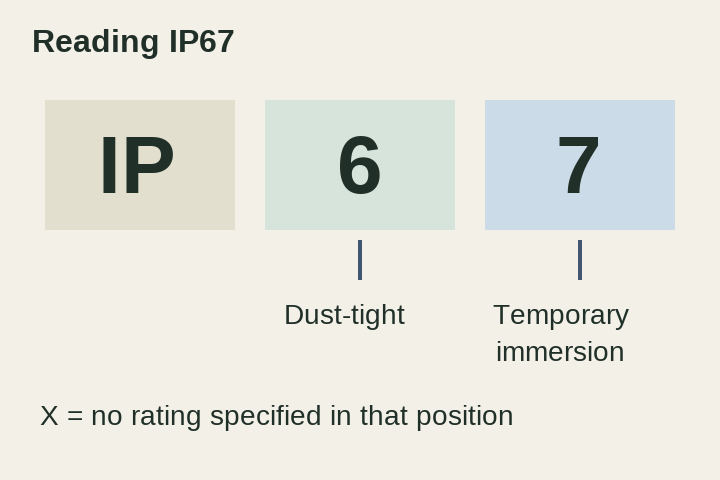
IP stands for Ingress Protection. Think of the code as two separate answers written next to each other. In IP54, the 5 describes dust protection and the 4 describes splashing water. In IP67, the 6 describes dust-tightness and the 7 temporary immersion. [7]
IPX7 leaves the solids position unspecified. Dust protection is unspecified, so use a separate dust rating when comparing devices for sandy or dusty trips. Equally, the 6 in IP67 doesn't mean six metres underwater. Depth belongs to the water test, not the first digit.
This is useful when two products look similar. A rubber port cover and a chunky case can make a torch look ready for anything. Read its code before deciding it belongs on a boat. The rating tells you something about the protection; the styling tells you what the designer wanted it to look like.
Dust-protected and dust-tight
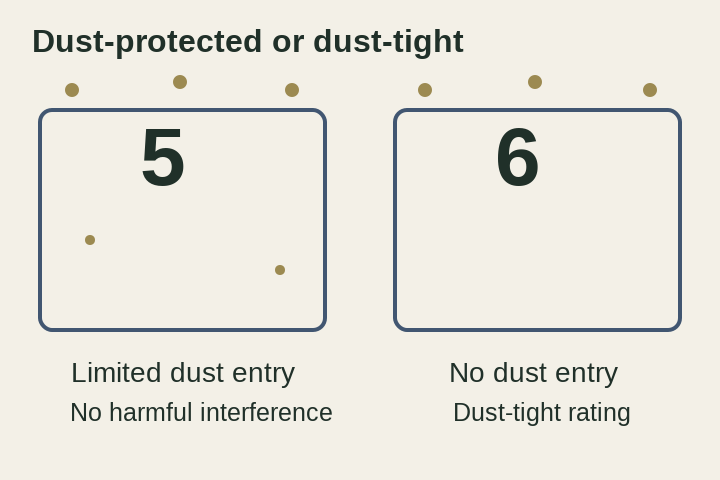
The first digit is worth checking for a beach trip or a dusty trail. A 5 means dust-protected: some dust entry is allowed, but it mustn't interfere with satisfactory operation or safety. A 6 means dust-tight. That's the difference between IP54 and IP64 on the solids side; both still have the same splash rating. [7]
Sand around a battery door needs attention whichever code is printed on the case. Clear the sealing surface before closing it, rather than tightening the door onto grit. Keep the compartment closed while you're on the beach and do battery changes somewhere sheltered. It's much easier to keep sand outside than pick it out of a seal afterward.
The water ratings you'll see on outdoor kit
| Water rating | What it covers | How we'd read it |
|---|---|---|
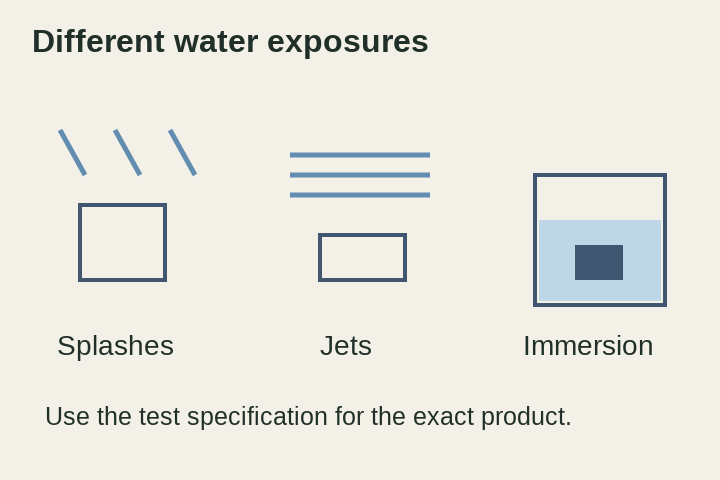
| IPX4 | Splashing water from any direction | Weather protection, rather than an immersion rating |
| IPX5 | Water jets | A jet test, not a stated underwater depth |
| IPX6 | Powerful water jets | More demanding jet exposure |
| IPX7 | Temporary immersion, commonly specified as up to 1m for 30 minutes | Check the product's stated conditions |
| IPX8 | Immersion under conditions specified for the product | Find the actual depth and duration |
These are the water parts of the code, so the same final digit appears in ratings such as IP54, IP65 and IP67. Manufacturer tables from Petzl and Garmin explain the tests and their intended uses. [2] [3]
Don't read this as a ladder from drizzle to diving. Jet exposure and immersion are different jobs. For equipment that will face both, look for the manufacturer's coverage of both rather than choosing the largest final digit and stopping there.
Water-resistant, waterproof and submersible
Read past the headline description. Nitecore uses the word "waterproof" alongside the EDC37's IP54 specification, while Sony describes its sealed devices as water-resistant. The words alone make those products harder to compare; the ratings give you the detail. [5] [1]
For shopping purposes, we'd separate weather protection from immersion protection. "Submersible" should send you straight to a stated depth and duration. "Waterproof" should send you to the same specification page, rather than straight into the lake. Choose around the exposure the manufacturer describes.
IPX4 can be enough for a rainy walk
A splash rating can sound underwhelming when the forecast is miserable. But Petzl describes IPX4 as suitable for most headlamp use in rain, snow and humid environments. You don't need to insist on a diving specification to walk home in the wet. [2]
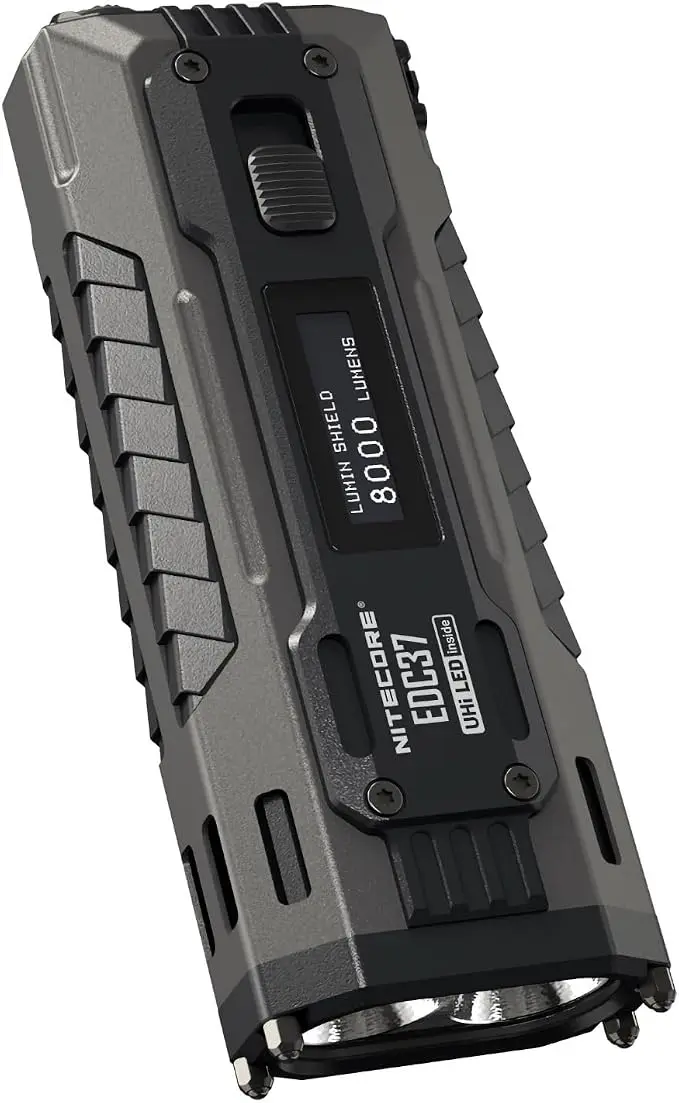
The distinction shows up in our Nitecore EDC37 review. Nitecore specifies IP54: dust protection plus splash protection. Adam used it in rain and heavy splashes without trouble, but its rating made him much less keen to trust it after an accidental dunk around the boat. [5]
That is a practical reason to spend more on sealing. A torch for finding your keys and a torch kept beside a wet mooring line have different lives. We'd consider where it will be carried, how easily it could fall and how awkward losing it would be, alongside output and battery life.
IP67 and IP68 need the small print
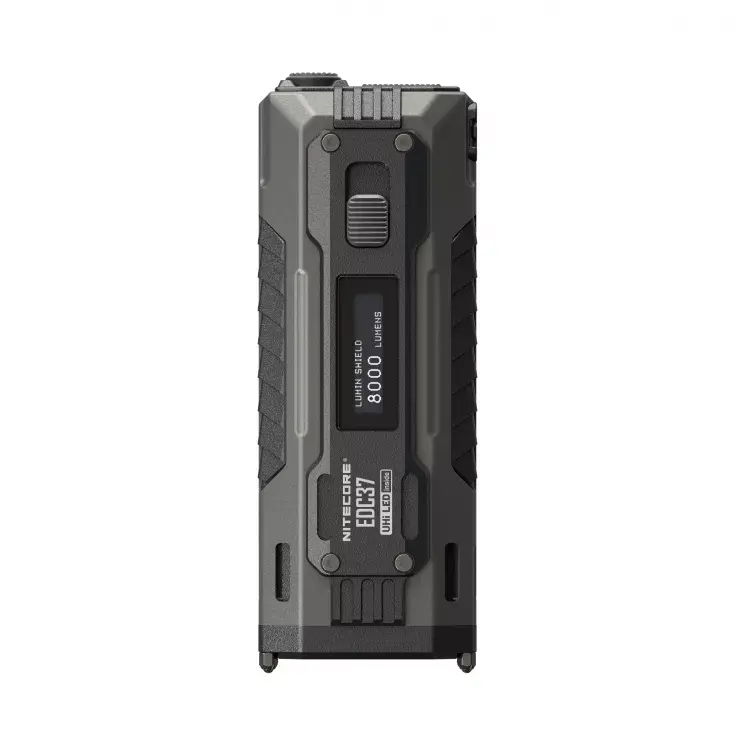
IP67 combines a dust-tight enclosure with temporary immersion protection. Garmin describes that immersion as up to one metre for up to 30 minutes. That's a useful specification for accidental water exposure. [3]
The Black Diamond Distance LT 1100 carries IP67. During our three-month review, it kept working through sustained rain and use with wet controls, with no visible internal condensation from sweat. [6]
IP68 takes a little more reading because the depth and duration are product-specific. Apple, for example, lists different IP68 iPhones at maximum depths of two, four or six metres, each for up to 30 minutes. Same code, different stated depths. [4]
So we'd want the full specification: the code, depth, time and permitted activity. An IP68 label without the rest leaves out the information needed to compare two devices. Keep that detail with the exact model, too; a newer version or another product in the same family can have a different rating.
Submersible doesn't automatically mean swim-ready
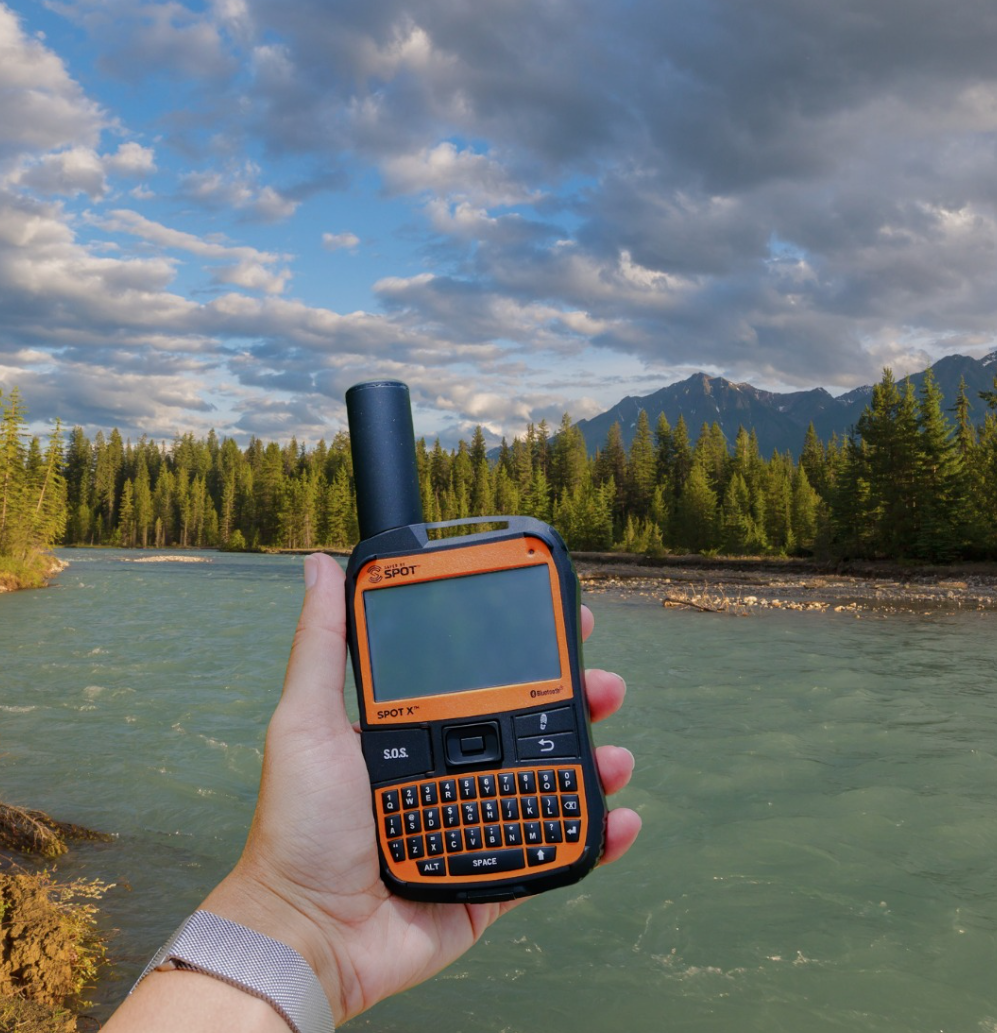
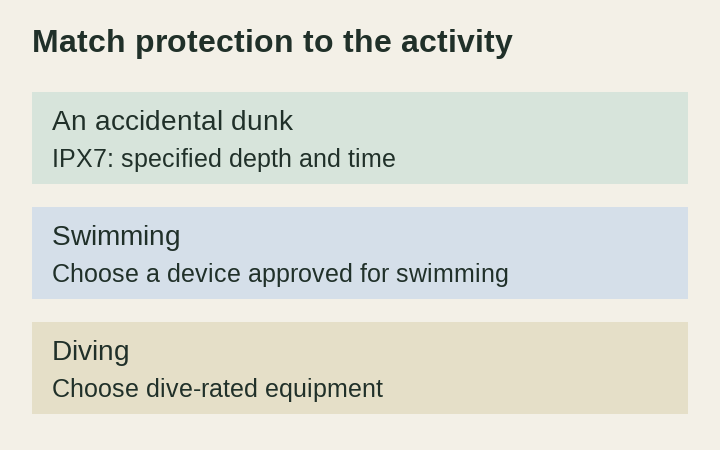
A controlled dunk and an afternoon swimming are different uses. Garmin separates its IPX7 equipment from its swim-rated wearables, and treats diving equipment as another category again. For swimming, we'd choose a device explicitly approved for swimming; for diving, we'd choose equipment rated for that activity. [3]
The same applies to a phone held under a waterfall or a device cleaned with a forceful hose. Apple advises against pressurised water and intentional submersion even for its rated iPhones. An immersion figure isn't permission to aim a jet at every opening. [4]
You'll also see watches marked 5 ATM or 50m. Those figures use a different rating system. Use the maker's activity table to choose between walking, swimming and diving rather than treating a watch's depth marking as an IP-code translation.
Who does the testing
IEC 60529 sets out the IP test system. A manufacturer can conduct testing in its own laboratory: Petzl describes doing exactly that, using the IEC test protocol and ANSI/PLATO FL1 acceptance criteria for its headlamps. An IP code therefore doesn't, by itself, identify an independent certification body. [2]
Look for a named standard and a clear specification for the exact model. If a seller claims independent certification, look for the named laboratory or certificate as well. That gives you something concrete to check when a marketplace listing says little more than "outdoor waterproof".
Check the lamp, battery and accessories separately
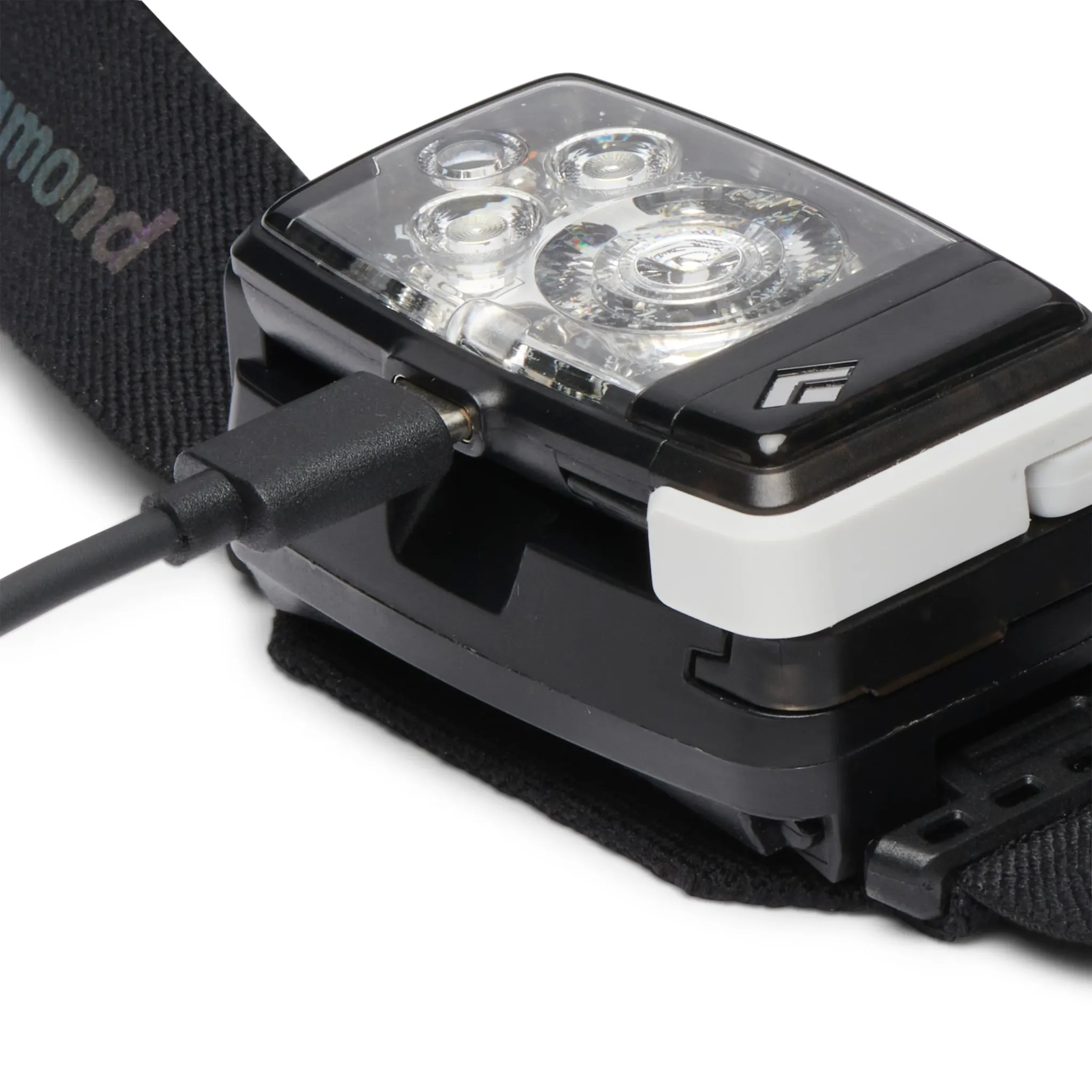
A rating belongs to the item specified. Petzl's NAO RL headlamp is listed at IPX4, while its removable R1 battery is listed at IPX7. Looking up the battery alone would give you the wrong impression of the complete headlamp. [8] [9]
Do the same check with a separate power bank, charging lead or remote battery pack. Work out which pieces will sit outside your jacket and which will stay in the rucksack. For overnight rain, we'd recharge inside a dry shelter, with the ports dry, then close everything before heading out again.
Operation deserves a check too. Try the buttons with your gloves on and make sure the strap or clip holds the device securely. The water rating describes its enclosure; the controls decide how easily you can use it with cold hands. Our headlamp and torch reviews cover those details alongside sealing.
Port covers, salt and a wet charging socket
A trapped hair or a badly closed battery door can spoil otherwise good sealing. Before wet use, check the closures the product depends on. Afterward, dry it before opening the compartment, so water sitting around the lid doesn't drop inside.
Fresh water is the reference for the ratings discussed here. Salt water, pool chemicals and soapy water bring other problems. Follow the device's cleaning method after exposure: Sony, for instance, tells owners of the devices covered by its guidance to rinse non-fresh-water contamination with fresh water. [1]
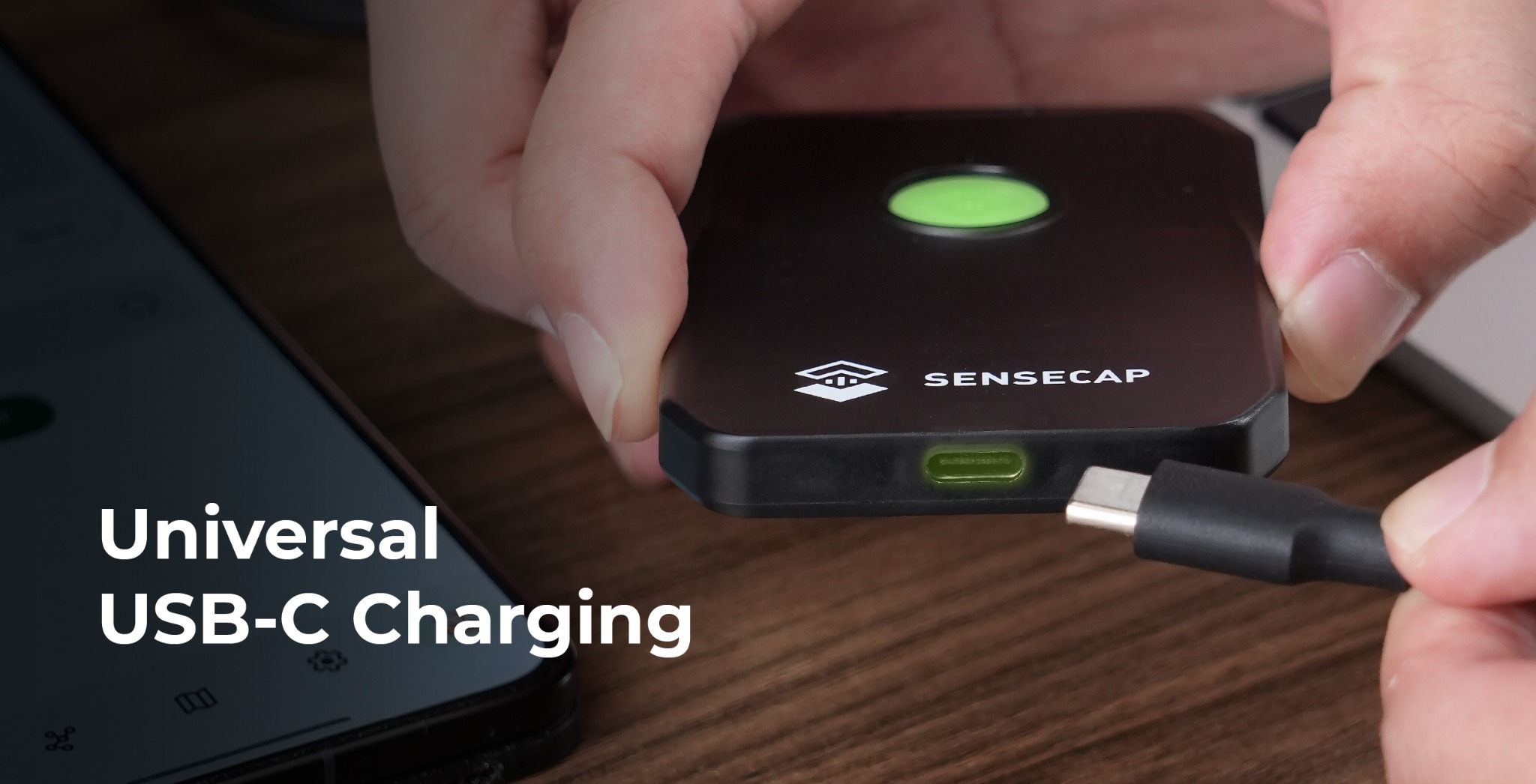
Let charging ports dry before connecting a cable. Don't hurry the job with a hairdryer. Apple recommends airflow and warns against external heat or poking objects into the connector. Those instructions are more useful beside a damp phone than another glance at the IP68 badge. [4]
Inspect older kit as well. Worn closures and damage can reduce protection, as Sony notes. A torn cover needs attention even when the printed rating still looks pristine. We'd sort that before taking the device somewhere wet, rather than testing the repair halfway through a trip. [1]
What we'd check before buying
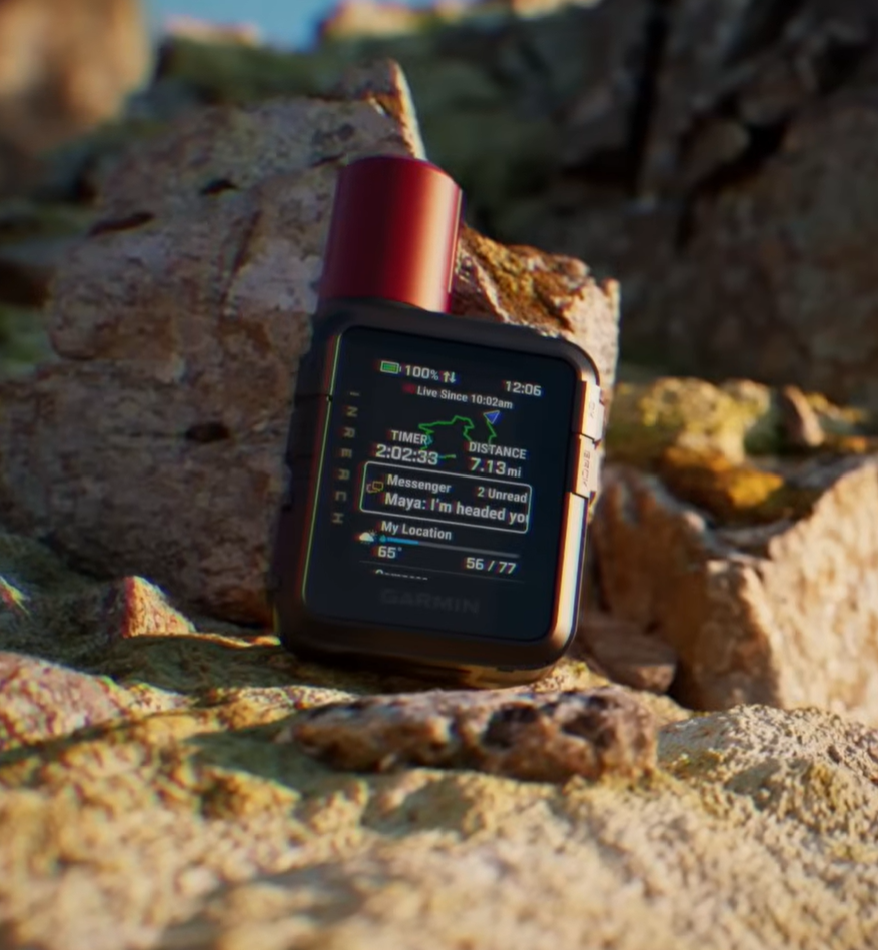
Start with the wettest plausible use. For a headlamp used on paths in rain, look for weather protection such as IPX4. For a handheld that could slip into a stream, add immersion to the shopping list. For paddling or boating, also consider retention: a suitably attached device is easier to retrieve than one disappearing into deep water.
Then compare the exact rating, the immersion details where relevant, the closures and charging arrangement, and the manufacturer's activity guidance. Read the rest of the review too. A well-sealed light still needs a beam, runtime and controls that suit the walk.
Finally, keep fabric ratings separate. A jacket marked 20,000mm is describing resistance to water pressure through its fabric. Our guide to 10,000mm and 20,000mm waterproof ratings explains that system. IP codes answer the enclosure question.
Sources and further reading
Standards and manufacturer guidance
Technical sources checked on 9 November 2026.
- Sony: water and dust protection
- Petzl: watertightness and IP ratings
- Garmin: water rating definitions
- Apple: splash, water and dust resistance
- Nitecore: EDC37 specification
- Black Diamond: Distance LT 1100 specification
- NorComp: IP ratings and enclosure protection
- Petzl: NAO RL headlamp specification
- Petzl: R1 battery specification