
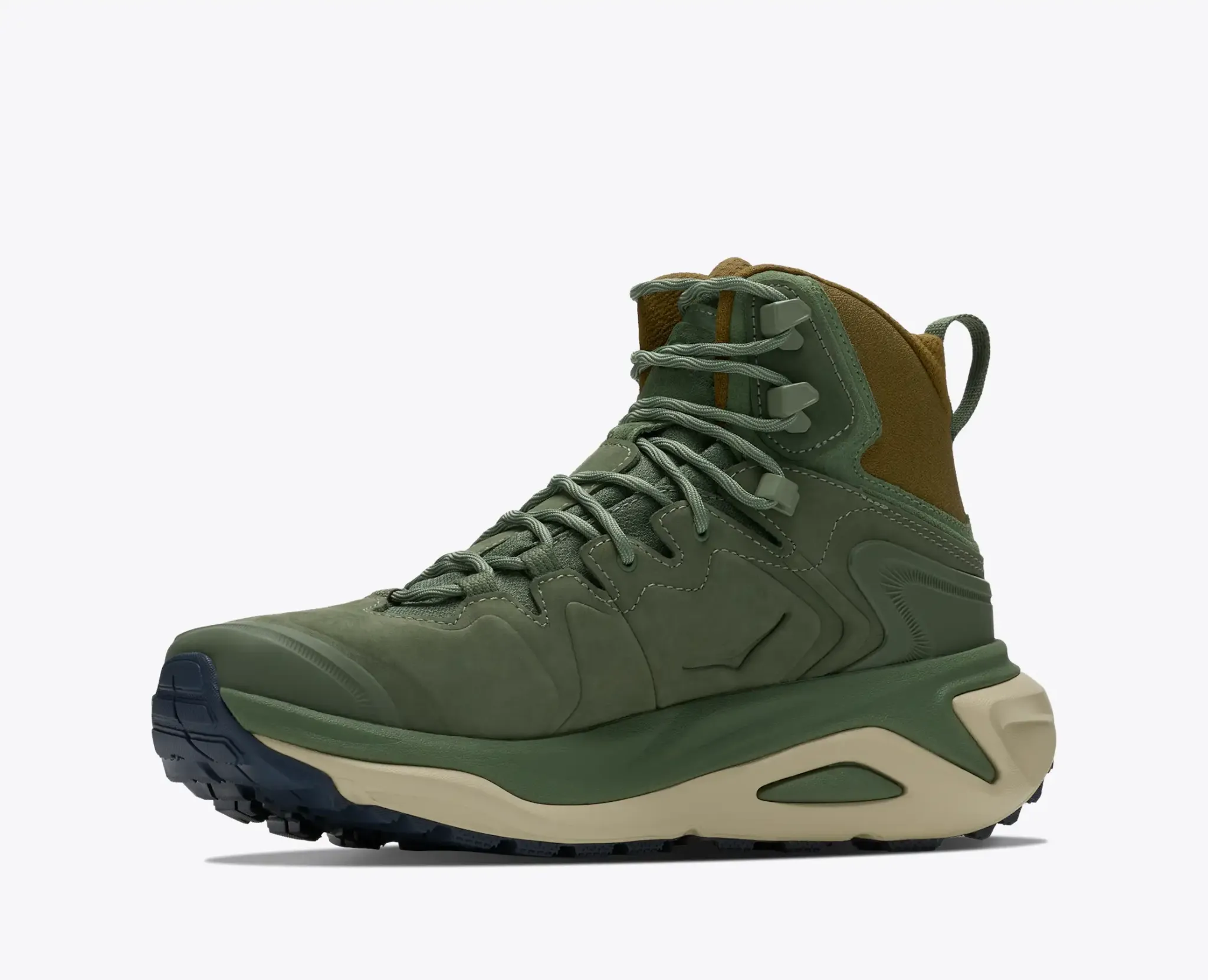
I bought the men's wide Hoka Kaha 3 GTX in UK size 12 for £160 on sale, then walked roughly 200 km in them during a 30-day camping and hiking trip around the Lake District. Routes crossed mud, forest, roads, loose scree, dry rock, wet rock and streams. Pack weight varied from about 3 kg to 15 kg in what I believe was an old Karrimor SF Sabre 45. Hoka did not supply the boots, sponsor the review or know it was taking place.
Quick verdict
The Kaha 3 GTX is a superb high-cushion hiking boot for long days, heavy packs and people who value joint protection. Comfort was immediate, the wide platform stayed stable on broken ground and the Gore-Tex construction kept stream water and rain outside. The price is heat and bulk: they were sweaty in a hot Lake District summer and less precise on technical rock. The boot itself showed little more than scuffing after 200 km, although one stock lace breaking that early is disappointing.
What works
- Outstanding comfort with no break-in, blisters or hot spots
- Plush cushioning reduces fatigue over long days under load
- Wide sole platform feels planted on scree and off-camber trails
- Excellent waterproofing through rain, puddles and stream crossings
- Upper and outsole showed very little wear after roughly 200 km
What to know
- Gore-Tex and padded nubuck run hot in warm weather
- Large footprint feels clumsy on technical scrambles and around camp
- Ground feel is almost completely muted
- Wet polished rock is less assured than dry stone
- One stock lace broke within the test period
The verdict
The Kaha 3 GTX is built around comfort, support and protection, and it delivers all three unusually well. I could put it on and head directly into high-mileage days without a break-in period. There were no blisters, pressure points or hot spots across the 200 km test, even when the pack climbed to roughly 15 kg.
Hoka's thick midsole isolates the foot from hard trail impacts and the rocker keeps the substantial boot moving forward. That combination made my feet, knees and joints feel noticeably fresher after long days. It also removes much of the connection to the ground. Hikers who enjoy precise feedback will find the Kaha remote; hikers who want rough trails softened will understand it immediately.
The compromises are equally clear. The boot is hot, physically large and not especially agile. A lace failure after only 200 km is also below expectations at this price. Those drawbacks keep it from a universal recommendation, but they do not erase an excellent core hiking performance.
How I tested the Hoka Kaha 3 GTX
The boots covered about 200 km during a month-long camping and hiking holiday around the Lake District. Underfoot conditions changed continually: paved approaches, forest tracks, muddy sections, dry and wet rock, loose scree and rough mountain paths. Pack weight ranged from a light 3 kg day load to around 15 kg in a battered pack that I believe was a Karrimor SF Sabre 45.
The trip landed in an unusually hot summer. Some days rose well into the mid-30s Celsius, with less rain than expected, so it became a demanding breathability test. Rain did arrive, and I also walked through streams and across wet rock rather than judging waterproofing from a kitchen-sink test.
Fit and out-of-box comfort
The UK 12 wide fit me very well. It gave the forefoot enough room without allowing the foot to swim, and the heel felt secure once the lacing was tensioned properly. The shape remained controlled on descents and side slopes rather than producing the sloppy sensation that can come with a badly executed wide fit.
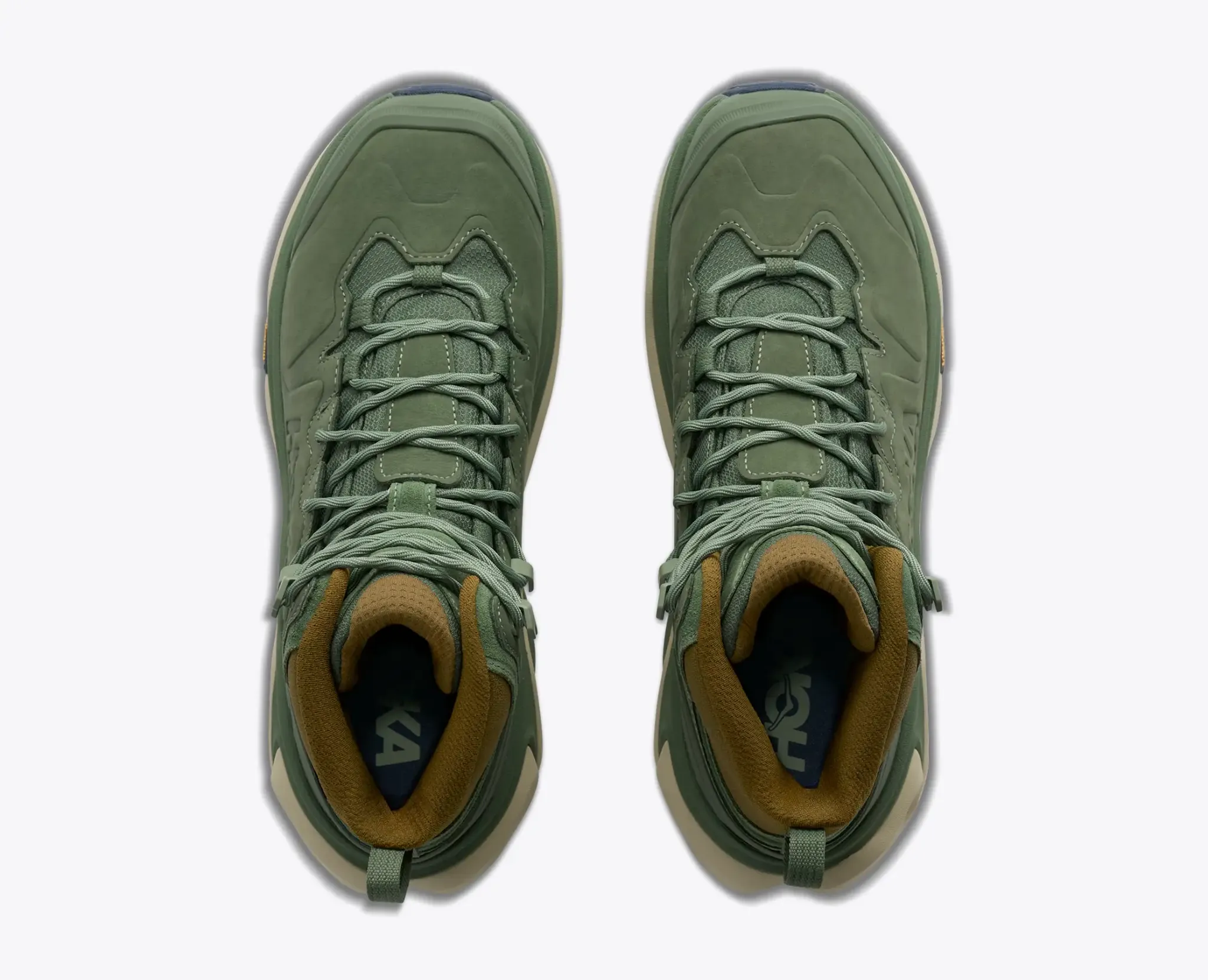
Comfort was immediate. I experienced no break-in period, blisters, rubbing, hot spots or pressure points. The collar sits just above the ankle bone and balances structure with a soft, Achilles-friendly shape. It supports the ankle without the rigid, restrictive sensation of a traditional mountaineering boot.
Hikers whose feet swell heavily should still try a half-size larger before committing, but my specific UK 12 wide remained secure and comfortable throughout.
Cushioning, rocker and long-day fatigue
The dual-density sugarcane EVA midsole is unmistakably Hoka: deep and plush, but firmer and better controlled than the Kaha 2. It absorbs repetitive impact without collapsing into an unstable pillow. Under the heavier 15 kg loads, the boot continued to feel supportive rather than bottoming out.
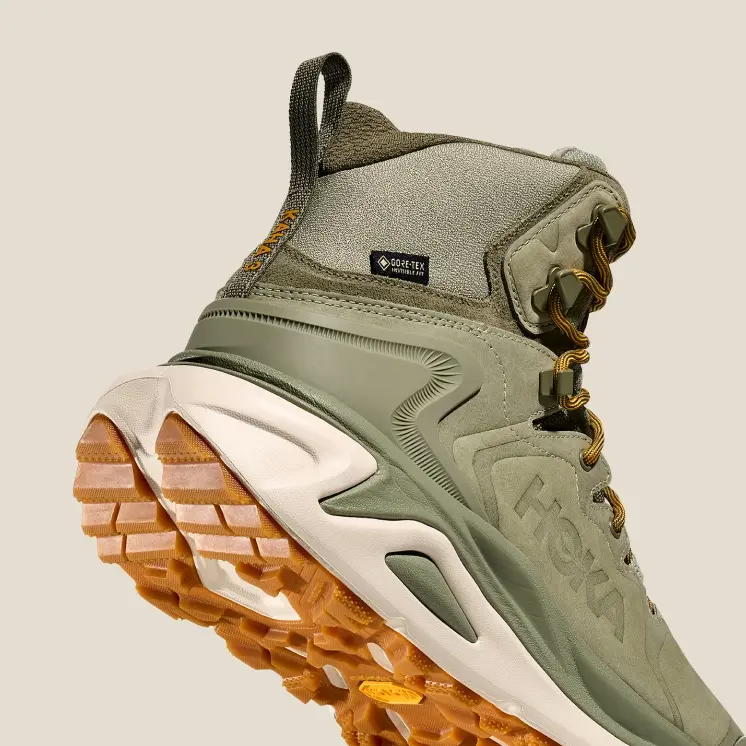
The MetaRocker geometry matters because this is not a light or flexible boot. It encourages the foot to roll smoothly through each stride and disguises some of the physical mass on level tracks, long climbs and sustained descents. It does not make the Kaha genuinely nimble, but it prevents the thick sole from feeling dead and blocky.
Ground feel is minimal. Small stones and roots largely disappear beneath the stack. I appreciated the reduction in joint and foot fatigue, but anyone who chooses footwear for close trail feedback should look elsewhere.
Stability under load and technical terrain
The high stack looks as though it should be tippy; in practice, the broad sole behaves like an outrigger. It stayed composed on loose scree and off-camber trails, including when the pack was near its 15 kg maximum. The firmer carrier foam and wide heel provide a planted base rather than allowing the ankle to roll around on top of the cushioning.
Stability is not the same as precision. The Kaha's footprint is large enough to become awkward on tight scrambles where the entire sole cannot fit onto a small ledge. The cushioning also makes it harder to sense exactly how much rubber is in contact with the rock. On broad, rough hiking trails it is reassuring; on technical rock where accurate toe placement matters, it feels clumsy.
Vibram traction on rock, scree and mud
The one-piece Vibram Megagrip outsole uses 4 mm Traction Lugs. Grip was excellent on dry rock, loose scree, forest tracks and normal muddy trail. The broad contact area complements the compound, giving the boot a secure, predictable feel during loaded climbs and descents.
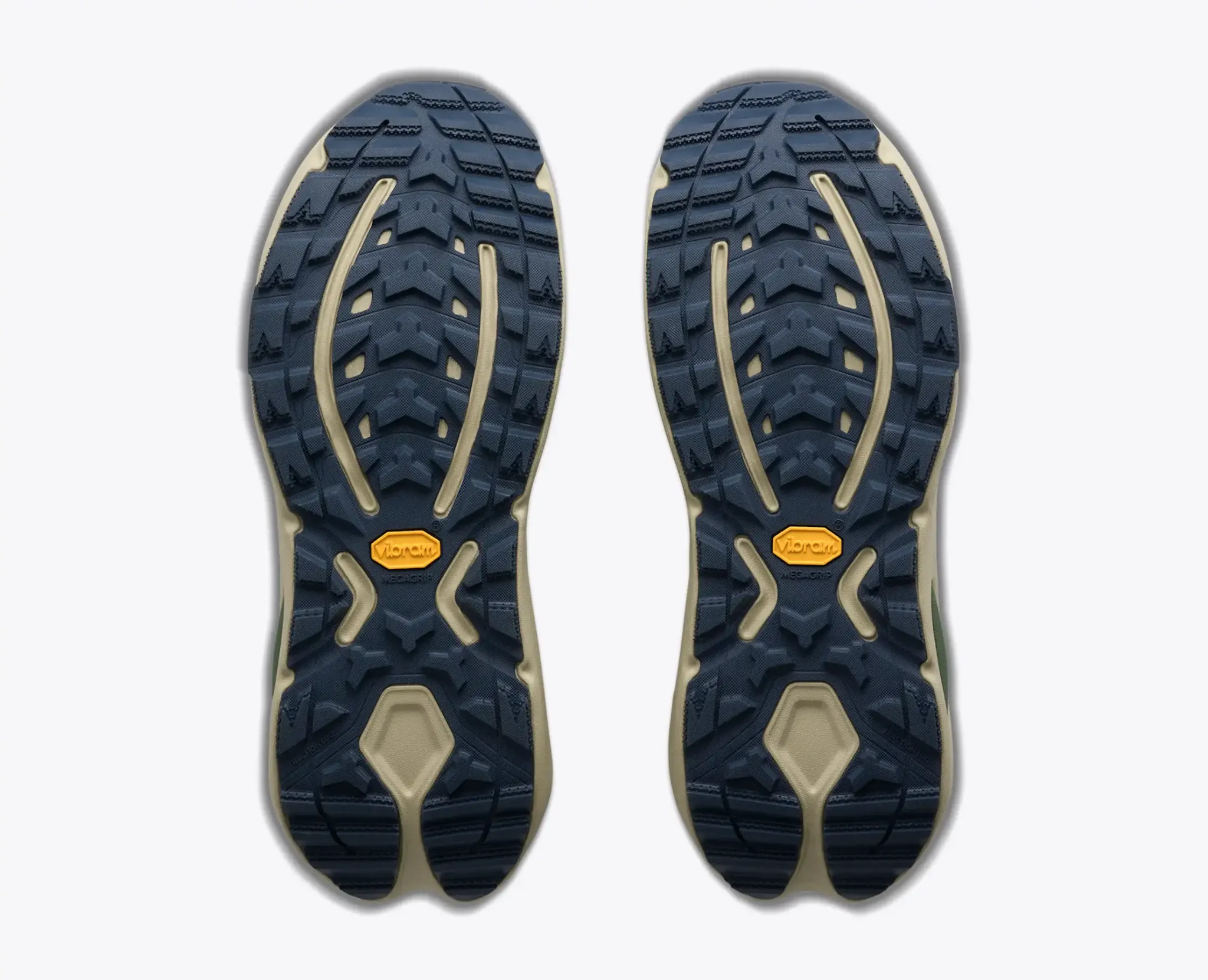
The lugs are shallower than those on the Kaha 2, so they do not bite as deeply into soft, churned mud. Wet rock was also less assured than dry rock, particularly when the surface was smooth. I never considered the outsole poor, but no rubber compound removes the need for careful foot placement on polished wet stone.
Waterproofing is excellent; breathability is not
The Gore-Tex Invisible Fit membrane, waterproof nubuck upper and high cuff delivered excellent protection. Rain, puddles and the stream crossings I encountered stayed outside. The boot can wade through water that would overwhelm a lower hiking shoe, provided it remains below the collar.
That protection has a cost. These boots run hot. I generally find Gore-Tex footwear warm despite breathability claims, and the combination of membrane, thick padding and nubuck leather was noticeably sweaty during days in the mid-30s Celsius. For cool, wet shoulder-season hiking, the trade makes sense. For dry summer routes, it can feel excessive.
The same construction that keeps external water out will also retain water if the boot is flooded over the collar. I did not need to test a full over-cuff soaking, but the amount of padding and leather means it will never dry like an unlined mesh trail shoe.
Lacing, lockdown and the broken stock lace
The lacing system allows useful separation between forefoot comfort and ankle lockdown. Three upper hooks take longer than a speed-lace system, but they make it easy to tune tension and use a heel-lock pattern. Once set, the fit stayed secure through long days and descents.
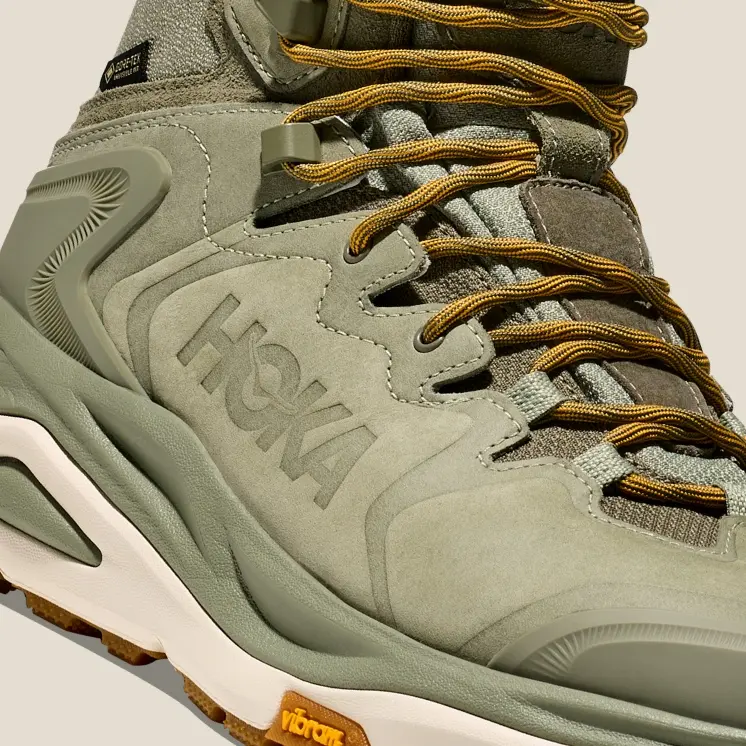
The stock laces are the quality-control disappointment. One broke within roughly 200 km. Replacing a lace is cheap and does not compromise the structure of the boot, but footwear at this price should not consume a basic component during its first month of real use.
Durability after 200 km
Beyond the lace, durability was very good. The nubuck picked up ordinary cosmetic scuffs, as expected after Lake District rock and scree, but there was minimal overall wear. The toe protection, seams, outsole bond and collar remained intact, and I noticed no concerning structural damage or obvious midsole collapse.
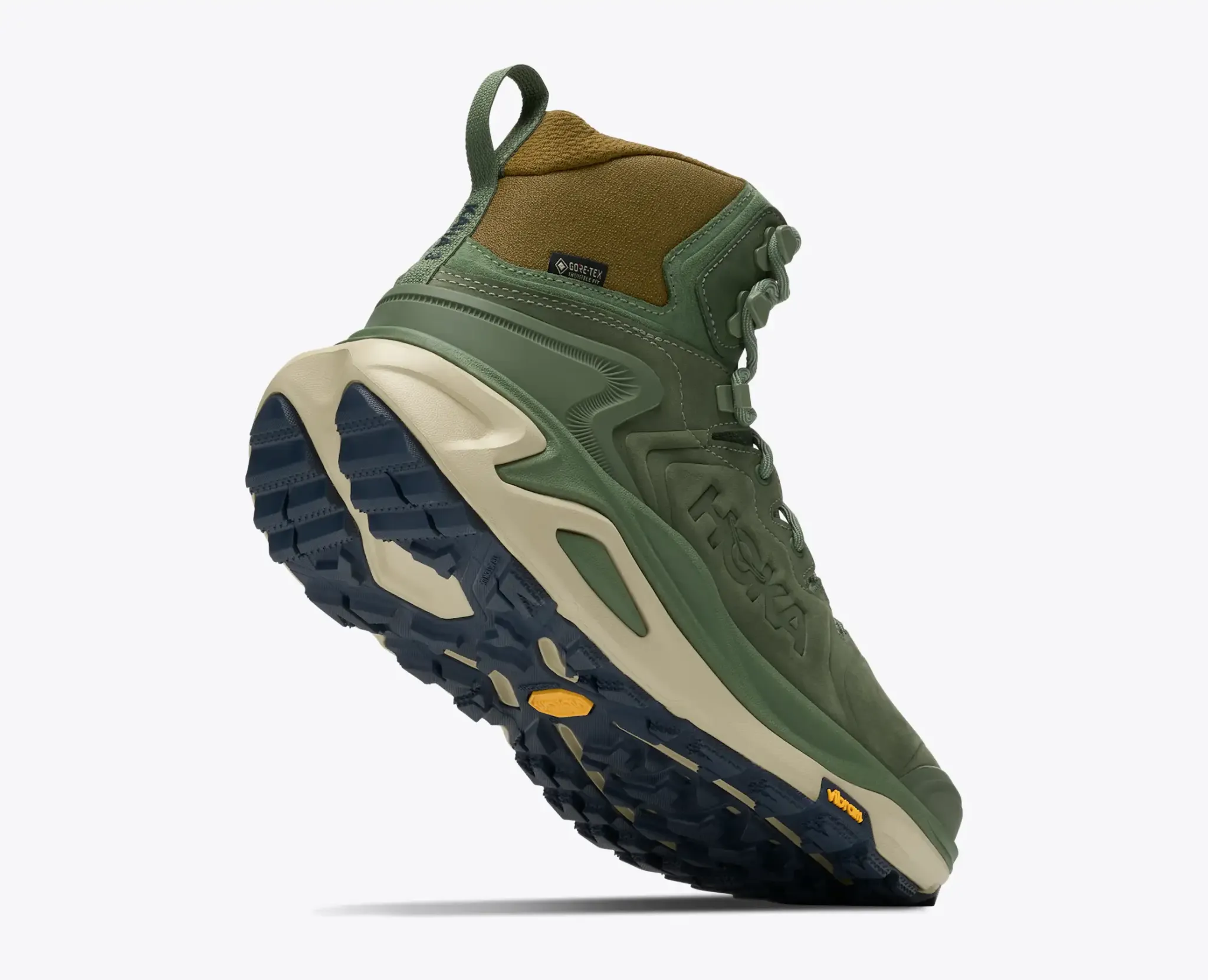
Two hundred kilometres is enough to expose early failure, not enough to prove lifetime mileage. EVA will compress eventually, and the long-term question is how quickly the generous cushioning loses its character. At the end of this test, the boot still felt supportive and the visible construction gave no reason for concern.
Weight and everyday practicality
Hoka lists a weight of 567 g per boot, or more than 1.1 kg for the pair. The rocker makes that mass less obvious while walking, but it cannot remove it. The Kaha is substantially heavier and bulkier than a modern trail shoe or lightweight mid.
That bulk matters away from the open trail. The boots feel cumbersome around camp, awkward to drive in and excessive for short road sections. Their strength is keeping a tired hiker comfortable and stable over many hours, not disappearing on the foot.
Kaha 3 GTX vs Kaha 2, Salomon X Ultra 5 Mid and Lowa Camino
Compared with the Kaha 2, the Kaha 3 feels more controlled and visually less cumbersome, while retaining the plush ride that defines the line. Its shallower outsole lugs give up some deep-mud bite, but the underfoot platform feels secure.
The Salomon X Ultra 5 Mid GTX is the more agile choice. It offers better ground feel and easier foot placement on technical terrain, while the Kaha provides considerably more shock absorption and a broader, more supportive base under a heavy pack.
A traditional leather backpacking boot such as the Lowa Camino feels more precise and substantial in a conventional way, but the Kaha is much softer underfoot and easier on joints. The Hoka sits between trail-shoe cushioning and supportive backpacking-boot protection rather than behaving exactly like either.
Value and who should buy it
At the £160 sale price I paid, the Kaha 3 GTX makes sense for its intended job. It delivered a blister-free 200 km, remained stable with up to 15 kg on my back and showed almost no structural wear. I would buy it again at that price. At full retail, the heat, bulk and early lace failure make the decision harder.
Buy it if you carry substantial loads, want maximum cushioning, struggle with foot or joint fatigue, or prioritise waterproof protection over summer ventilation. It also suits older hikers and anyone who prefers a secure wide platform to a low, flexible trail shoe.
Choose something else if you move fast and light, prefer zero-drop footwear with an especially foot-shaped toe box, spend most of your time in hot dry weather or need precise edging for technical scrambles. The Kaha's protection is excellent, but you pay for it with warmth, mass and reduced feel.
Hoka Kaha 3 GTX specifications
| Category | Footwear |
|---|---|
| Tested model | Men's wide, UK size 12 |
| Upper | Waterproof nubuck leather; Leather Working Group Gold-rated supplier |
| Membrane | GORE-TEX Invisible Fit |
| Midsole | Dual-density EVA with 30% sugarcane-derived material |
| Outsole | Vibram Megagrip with Traction Lug |
| Lug depth | 4 mm |
| Heel-to-toe drop | 7 mm |
| Manufacturer-listed weight | 567 g per boot |
| Price paid | £160 GBP on sale |
| Test distance | Approximately 200 km over 30 days |
| Pack loads | Approximately 3-15 kg |
| Terrain | Mud, forest, roads, dry and wet rock, scree and stream crossings |
| Manufacturer involvement | None. Personally purchased; no sponsorship or copy approval. |
Scoring breakdown

Sources & context
What we checked
This review is based on Adam's 200 km Lake District test. We checked Hoka's official product listing for construction, materials, lug depth, drop and listed weight. Fit, comfort, traction, waterproofing, heat, durability and comparisons are Adam's own field observations.
Editorial disclosure: Adam Whistler bought this men's wide Hoka Kaha 3 GTX for £160 and tested it for approximately 200 km. Hoka had no involvement. Gear Reviews received no payment, free product or editorial approval.