
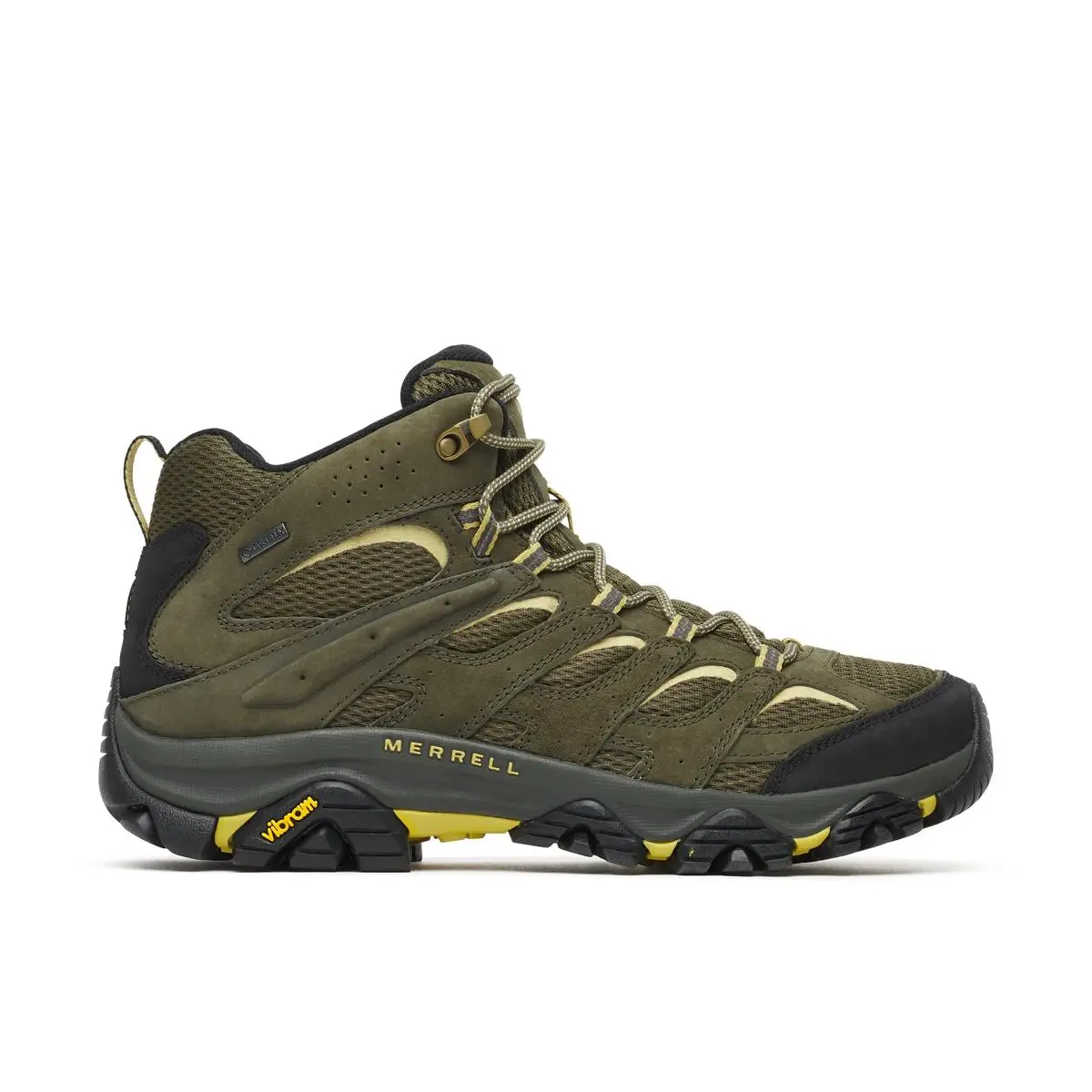
I bought the men's Merrell Moab 3 Mid Waterproof in UK size 12, standard width, for £150 and put hundreds of kilometres into them. They covered part of the Camino de Santiago, around two weeks in the Yorkshire Dales, festivals and ordinary weekend walks. My usual pack weighed about 8-10 kg, although I carried as much as 24 kg. Merrell did not supply the boots, sponsor the review or know the test was happening.
Quick verdict
The Moab 3 Mid Waterproof starts well. A short break-in reveals a roomy, forgiving boot that is comfortable on five-mile day hikes, stable under a normal backpack and grippy on dry rock and dirt. It falls apart under longer scrutiny. Wet-rock traction is awful, the waterproof construction runs hot and dries slowly, and both soles began separating after roughly six to eight months. Merrell rejected my warranty claim, so I epoxied them back together myself. That is not acceptable durability for £150 footwear.
What works
- Roomy toe box suits wider feet despite the standard-width label
- Short break-in with no immediate blisters or hot spots
- Protective cushioning works well on shorter day hikes
- Stable with normal 8-10 kg backpacking loads
- Dry-rock tread remained usable after the upper began failing
What to know
- Both soles separated at the toe flex within eight months
- Merrell rejected the warranty claim
- Very poor grip on wet rock and slick roots
- Shallow lugs clog rather than clearing deep mud
- Hot, sweaty and extremely slow to dry after wetting out
The verdict
Merrell markets the Moab as the world's number-one hiking boot, and the appeal is easy to understand at first. It asks little of a new wearer: the forefoot is generous, the underfoot cushioning is protective and the mid-height collar adds confidence without turning the boot into a rigid backpacking tank.
My long-term experience is much less flattering. The outsole bond failed on both boots while the Vibram tread still had useful life left. Once the separation opened at the toe flex, water could enter and the boots stopped being dependable for the wet terrain they were sold to handle. A failed warranty claim made the problem worse. Epoxy kept them useful for dry dog walks, but repair should not have been necessary after six to eight months.
The 2.4 score reflects that split personality without treating every category as equally important. Comfort and dry-trail performance are genuinely decent, but bond failure and lost waterproof integrity are category-defining faults in hiking footwear. Wet grip, heat management and the rejected warranty claim pull the result further below average.
How I tested the Merrell Moab 3 Mid Waterproof
I do not have a precise distance log, but the boots covered hundreds of kilometres across very different uses. They walked part of the Camino de Santiago, spent roughly two weeks hiking in the Yorkshire Dales and went to several festivals. That exposed them to roads, established trails, loose dirt, dry rock, wet stone, slick roots, mud, wet grass, puddles and shallow water.
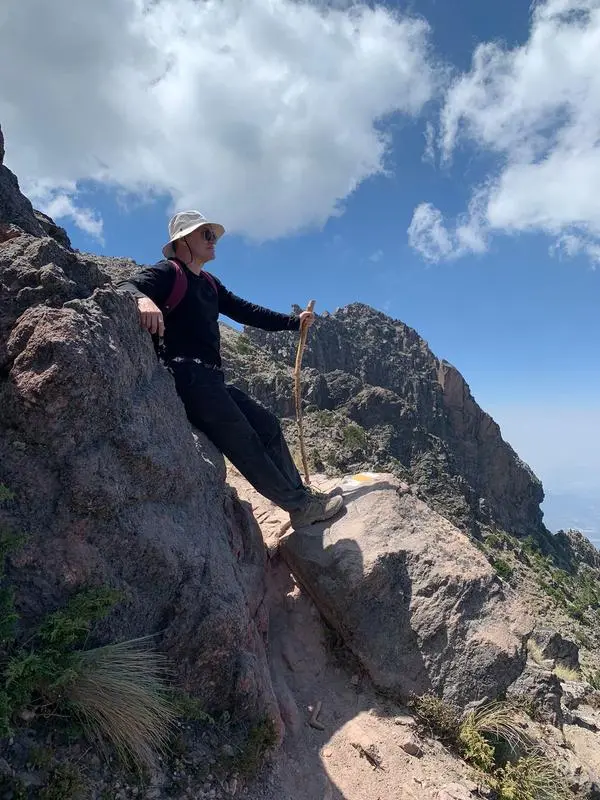
A typical pack was 8-10 kg. The heaviest load reached 24 kg, but that was an exception rather than the normal test condition. The boots were therefore judged mainly as everyday hiking footwear, not as a specialist expedition boot.
Fit, break-in and heel hold
The UK 12 standard width fit my relatively wide feet well. The boot felt slightly rigid straight from the box, then softened after a couple of short walks. I did not suffer immediate blisters or hot spots, and the toe box gave my toes room to spread naturally.
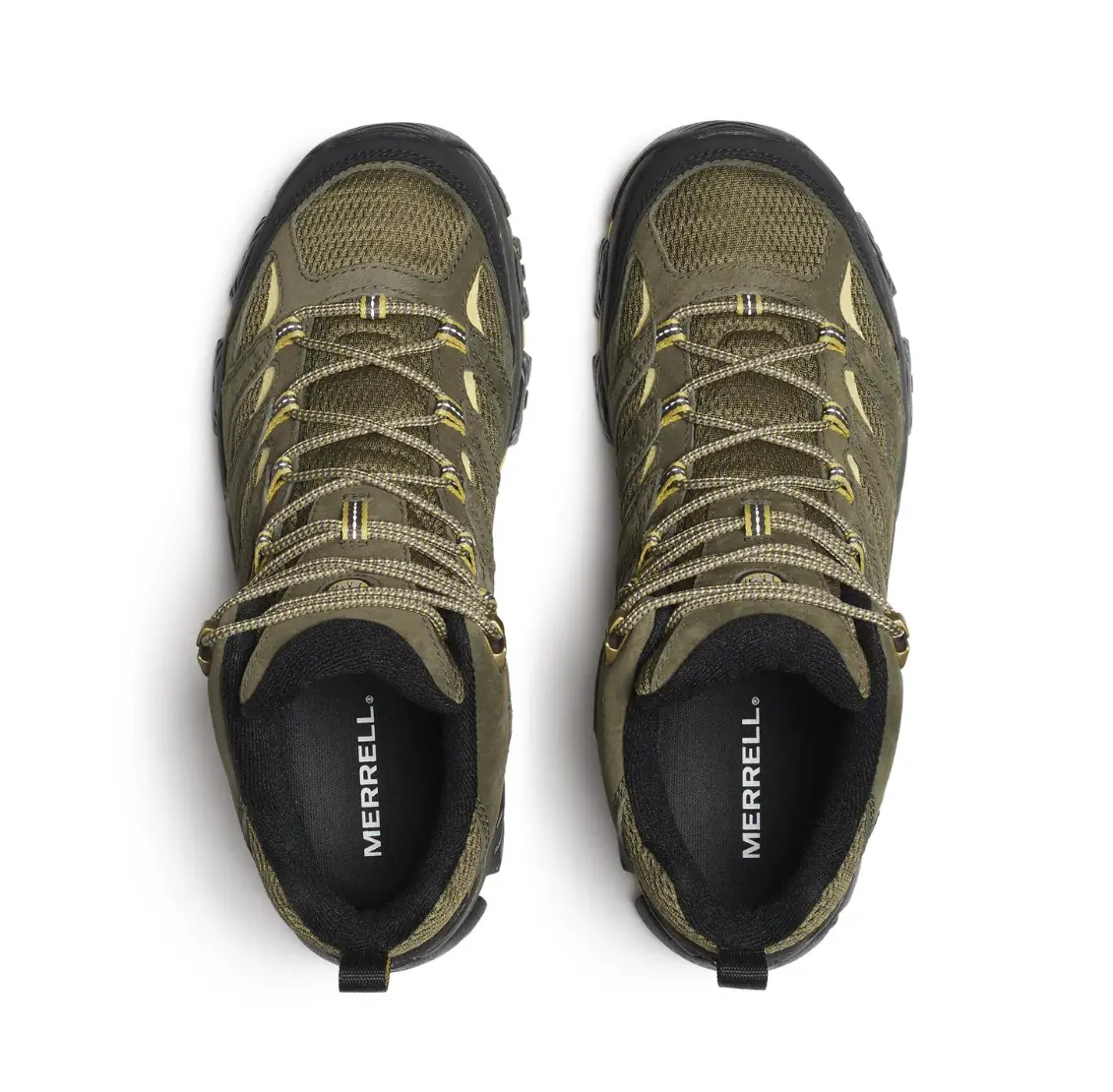
That generous front volume can make heel hold more dependent on foot shape and careful lacing. The upper is more accommodating than locked-down and athletic. The laces, eyelets and metal hooks on my pair all survived without trouble.
Comfort on short walks and long days
For a roughly five-mile day hike, the EVA-based cushioning feels plush and protective. It isolates the foot from roots and sharp stones, while the noticeable arch structure feels more supportive than the older Moab 2.
The limits emerge on longer days. Beyond about ten miles, my feet began to ache, and I occasionally felt a hard pressure point under the ball of the foot. The internal protection feels as though it sits farther forward than expected, concentrating pressure instead of spreading it evenly. The midsole also flattened and lost much of its original bounce by around 300 miles.
Support and load carrying
With my normal 8-10 kg pack, the Moab felt stable and predictable on uneven ground. The mid-height collar offers useful reassurance and the shank gives the sole enough structure for established trails. It never felt as quick as a trail runner, but it was not an old-fashioned brick either.
I did carry 24 kg at the upper end of the test. The boot tolerated it, but that does not turn the Moab into a heavy-load backpacking boot. The collar is too low and flexible to prevent a serious ankle roll, and the long-day pressure and midsole fatigue become more relevant as load and mileage increase.
Excellent when dry, terrible when wet
The Vibram TC5+ outsole is at its best on dry rock, scree and loose dirt. There is useful edge definition, the rubber resists abrasion well and the tread on my pair outlasted the surrounding construction.
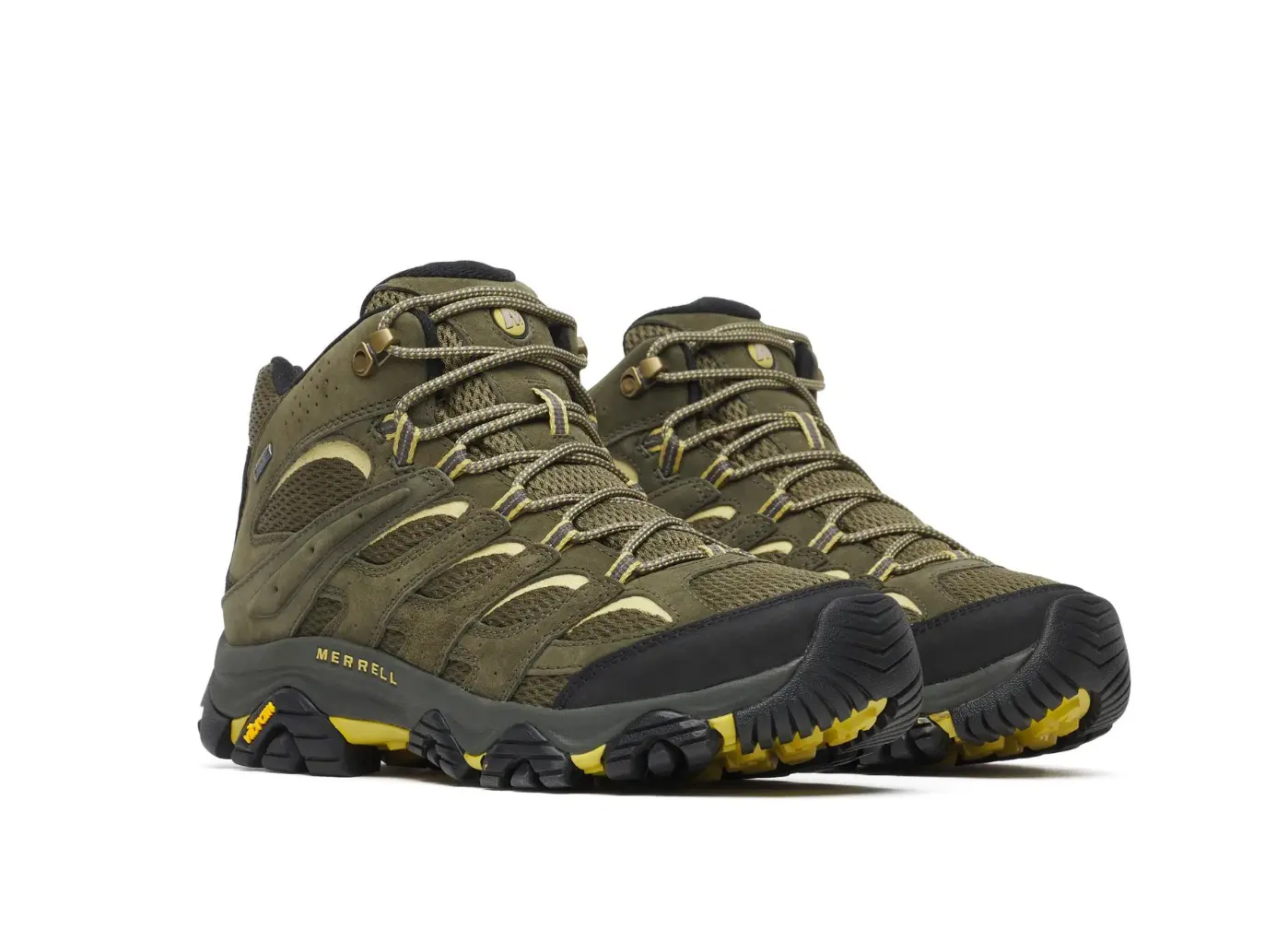
Wet rock is a completely different story. On slick stone and wet roots, the hard-feeling compound can behave like an ice skate. In deep mud, the 5 mm lugs are not open or aggressive enough to bite and clear reliably; they load up and carry the mud instead. This is the biggest performance weakness before durability even enters the conversation.
Waterproofing, heat and drying
The proprietary waterproof membrane worked initially. I could cross shallow streams and walk through puddles while water stayed below the bellows tongue. Wet grass and ordinary rain were manageable when the boots were new and intact.
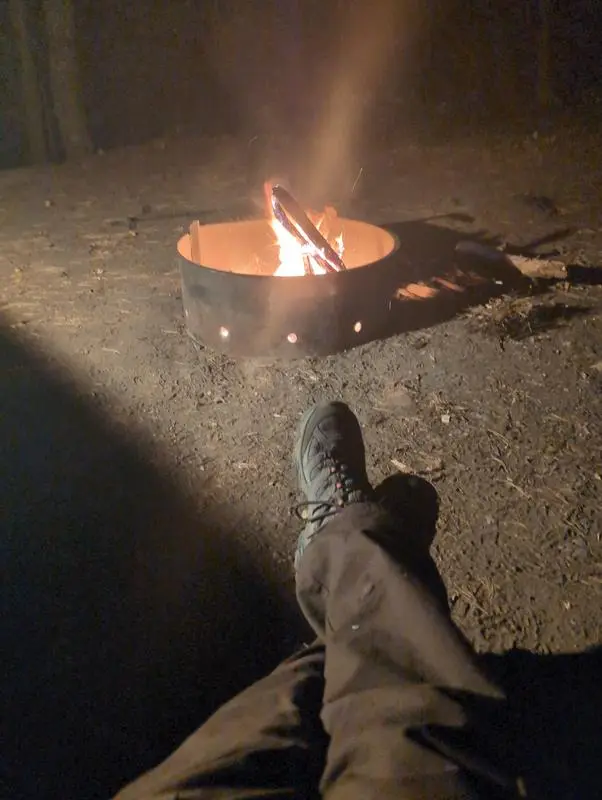
Breathability was poor. The suede, padding and membrane made my feet sweat heavily in summer. Once moisture got inside - whether through sweat, wet-out or deeper water - the boots took an age to dry. The later sole separation effectively ended their waterproof life because water could enter through the failed bond.
Both soles separated within eight months
This is the review's decisive failure. After roughly six to eight months of regular weekend use, both boots started separating at the toe flex. The rubber toe and sole repeatedly bend at that point; on my pair, the bond released and a flap peeled away from the suede-and-mesh upper.
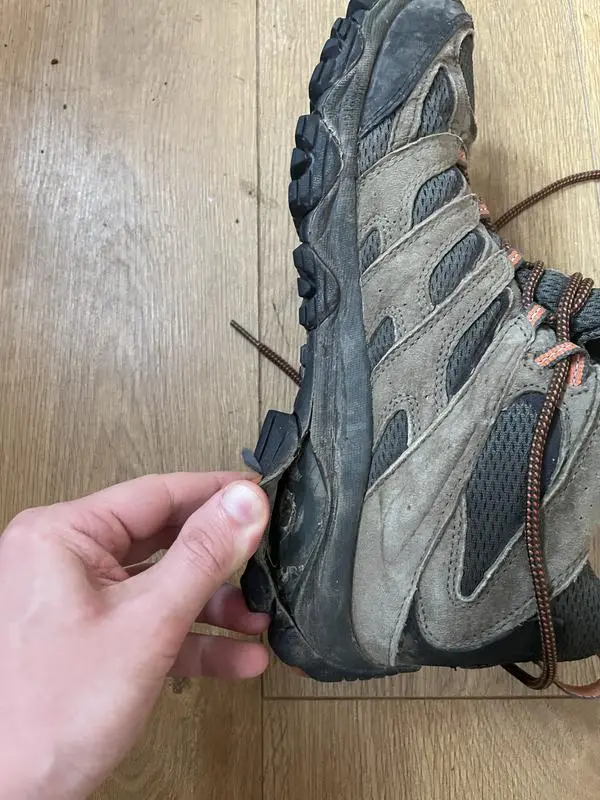
Merrell rejected my warranty claim, treating the separation as wear and tear. I repaired the boots with epoxy. That made them usable again for low-stakes dry walking, but it did not restore confidence in the waterproof structure - and I should not have had to repair £150 boots at that age.
The failure is especially frustrating because the rest of the hardware held up. Laces, fabric loops and metal hooks remained intact, and the Vibram tread still had plenty of depth. The mesh and stitching around the outside forefoot are also vulnerable on well-used pairs, but the outsole delamination alone is enough to stop a recommendation. Similar owner complaints make durability a broader talking point, although this score is based on what happened to my own pair.
Moab 3 vs Keen Targhee III, Salomon X Ultra 4 Mid and Lowa Renegade
The Keen Targhee III caters to a similarly roomy foot. The Moab feels a little less clunky, but neither is a genuinely agile boot. Fit preference is likely to decide between them more than speed or precision.
The Salomon X Ultra 4 Mid feels more athletic and gives more confidence on wet surfaces. The Moab's forefoot is friendlier to wide feet, but its heavy, dated ride and poor wet grip are difficult to ignore.
The Lowa Renegade is the more serious load-carrying option. It costs and weighs more, but provides stronger structure and a far better reputation for long-term service. Anyone regularly carrying more than 15 kg should consider that step up rather than asking the Moab to work beyond its strengths.
Value and who should buy it
At £150, the Moab 3 Mid Waterproof is not expensive by premium hiking-boot standards, but value depends on longevity. Six to eight months before both soles separate is poor value regardless of initial comfort. The rejected warranty claim removed the safety net that might otherwise have rescued the purchase.
It is best suited to casual day hikers, dog walkers, beginners and people with wider feet who mainly use dry, established trails. The five-mile comfort, simple fit and tough dry-ground tread remain useful qualities.
Avoid it if you regularly walk over wet rock or slick roots, expect secure deep-mud traction, carry heavy loads, hike high mileage or want one waterproof boot to survive several years. I would not buy it again.
Merrell Moab 3 Mid Waterproof specifications
| Category | Footwear |
|---|---|
| Tested model | Men's, standard width, UK size 12 |
| Upper | Pig suede leather and mesh |
| Membrane | Merrell proprietary waterproof membrane |
| Midsole | Super Rebound Compound with Merrell Air Cushion heel unit |
| Support | Moulded nylon arch shank |
| Outsole | Vibram TC5+ |
| Lug depth | 5 mm |
| Heel-to-toe drop | 11.5 mm |
| Price paid | £150 GBP |
| Test distance | Hundreds of kilometres; exact total not logged |
| Pack loads | Normally 8-10 kg; maximum 24 kg |
| Terrain | Roads, trails, mud, dry and wet rock, slick roots, festivals and shallow water |
| Manufacturer involvement | None. Personally purchased; no sponsorship, supply or copy approval. |
Scoring breakdown
Sources & context
What we checked
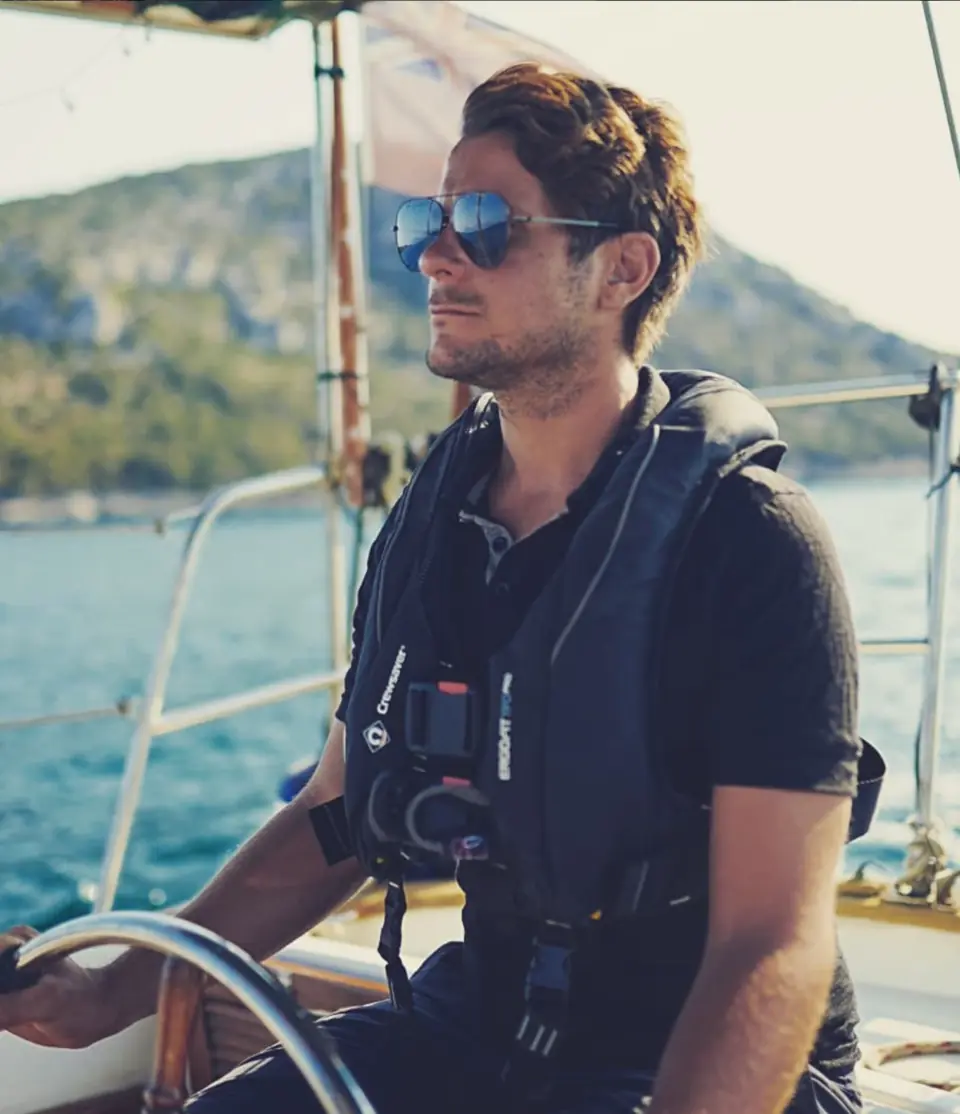
This review is based primarily on Adam's long-term use across the Camino de Santiago, Yorkshire Dales, festivals and regular walks. We checked Merrell's official Moab 3 Mid Waterproof listing for construction, drop and lug depth. Fit, comfort, traction, waterproofing, heat, sole separation, repair and warranty outcome are Adam's field observations.
Editorial disclosure: Adam Whistler bought this men's Merrell Moab 3 Mid Waterproof for £150 and tested it over hundreds of kilometres. Merrell had no involvement. Gear Reviews received no payment, free product or editorial approval.