
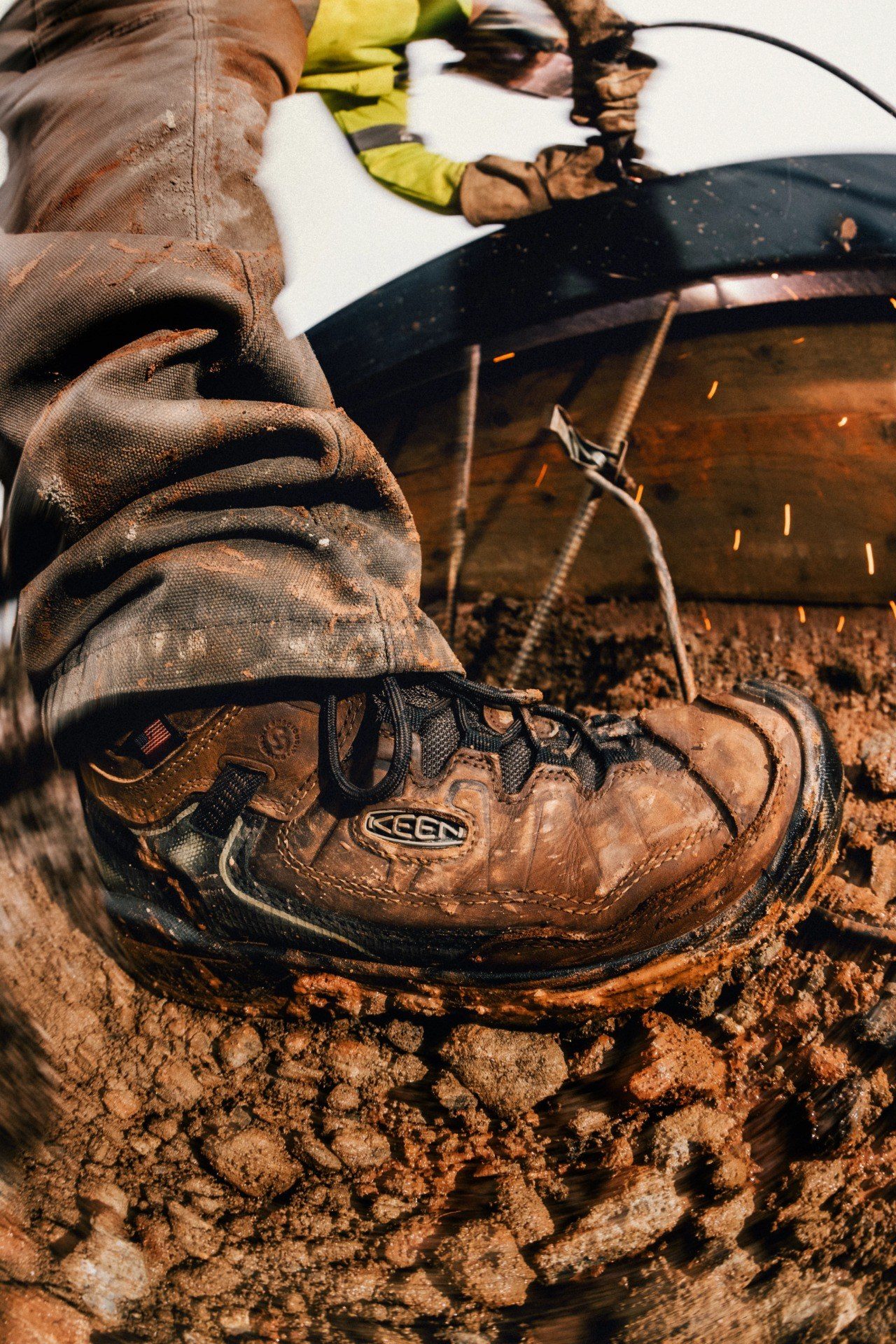
I bought the men's KEEN Targhee IV Waterproof Work Boot with carbon toe for $235 USD. KEEN did not provide the boots, fund this review or have editorial input. I wore the Dark Earth/Black pair for more than a year during a two-year refit of our 45-foot catamaran in a Greek boatyard. The work took me from dusty concrete and metal scaffolding to wet fiberglass decks and oily bilges. By the end, the leather looked well used, but the protective front and the sole were still intact.
Quick verdict
The Targhee IV Work is a strong match for a wide-footed worker who needs a protective toe, waterproofing and secure footing across changing surfaces. A full sheet of marine plywood fell several feet edge-on onto my right boot without hurting my foot, and the roomy toe never pressed on me when I knelt to work. The fused sole has stayed attached through boatyard abuse. I needed better insoles for long days on concrete, and the waterproof build was much too warm in Greek summer heat. My score is 4.5/5.
What works
- Roomy carbon toe that did not rub when kneeling
- Soles stayed attached through more than a year of boatyard work
- Secure heel and ankle support on ladders and uneven ground
- Dry feet in rain and puddles during Greek winter work
- Rubber toe bumper, stitching and original laces held up
What to know
- Waterproof lining and leather upper held heat in during 95°F-plus summer shifts
- Flat factory insoles caused arch pressure on concrete until replaced
The verdict
The work on our catamaran covered almost everything I ask a boot to survive. Some days I was fitting interior joinery and carrying timber over concrete. Others meant pulling heavy 24V and 12V cabling, grinding away old fiberglass, laying epoxy resin or soldering in a cramped compartment. I moved between ladders, narrow scaffolding and wet decks often enough that I needed one pair I could wear through the entire shift. The Targhee IV Work became that pair for more than a year.
Its wide front was the deciding feature. Many protective boots put my toes in a hard, narrow shell even when the rest of the boot fits. This one gave them room while holding my heel securely. The carbon toe did its job when a full sheet of marine ply fell from several feet up, edge-on, right onto my right foot. I've seen that break toes before, and the toe cap never rubbed when I knelt to work. After more than a year, the sole remains bonded, despite the conditions that have loosened soles on some of my previous boots.
On long concrete shifts, the original insoles felt too flat beneath my arches. Replacement insoles solved that for me. In a Greek summer above 95°F (35°C), the waterproof membrane and leather held in more heat than I wanted. I would buy the same pair again for mixed indoor and outdoor work around water, but would choose a more breathable boot for a hot, dry workshop.
A year of catamaran refit work
Our 45-foot catamaran spent two years undergoing a ground-up refit in Greece. I bought this pair partway through that project and wore it for more than a year, often through 10-hour days. The surfaces changed constantly. The yard had uneven, abrasive concrete and muddy tracks. On the boat I walked over fiberglass decks, stood on ladder rungs, climbed metal scaffolding and squeezed into bilges where oil and water collected.
A secure heel with real toe room
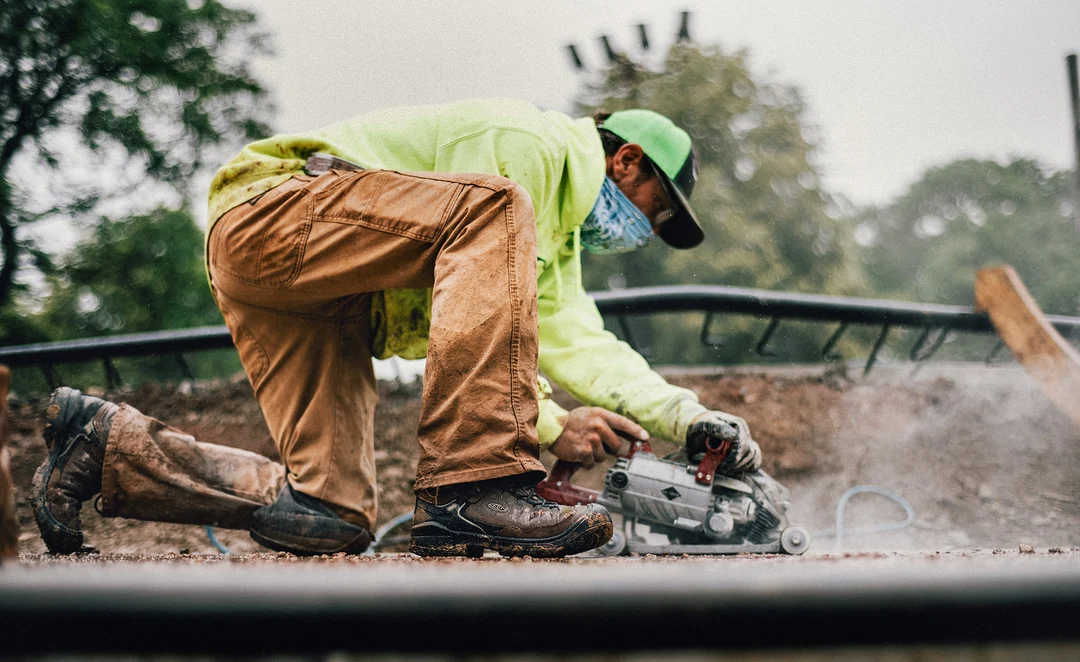
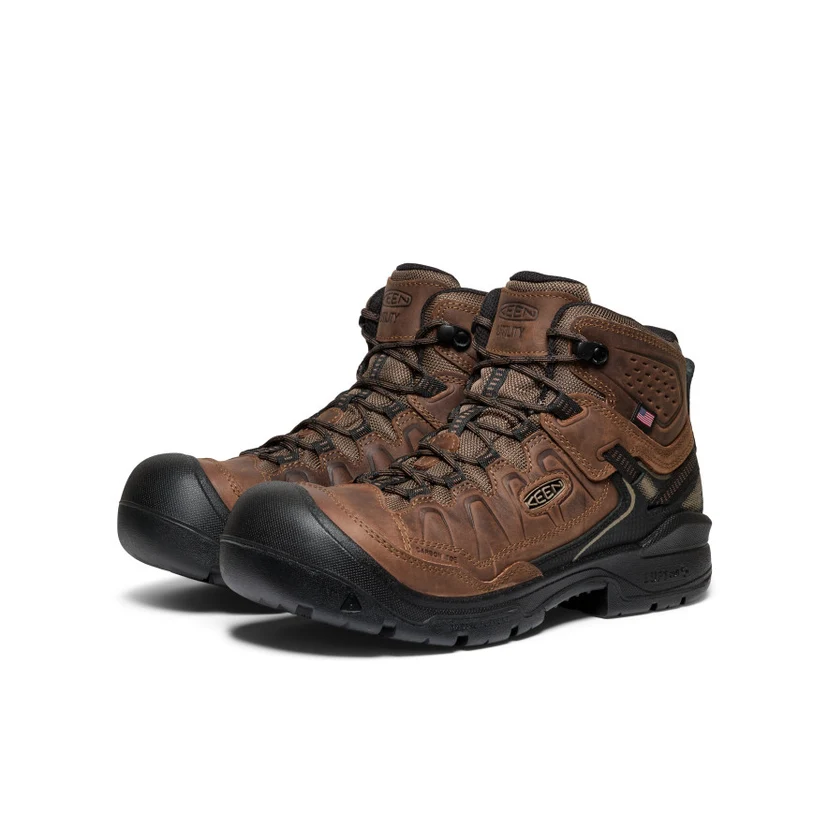
I wear a UK 11, equivalent to US 12 on KEEN's men's size chart, and this pair felt true to that size. The heel stayed put from the first day, while the asymmetrical safety toe left space for my toes to spread. The shape worked well when I crouched to route cable or knelt on a deck. My toes did not press against the front or sides of the cap, even after hours spent shifting between standing and kneeling.
The fit required almost no break-in. I went straight to work in them and did not have to spend a week softening the upper or treating heel blisters. The laces let me pull the midfoot snug without crushing the forefoot, and the higher collar felt supportive while I stepped over debris or came down a ladder. That does not mean every foot will get the same fit, but for my relatively wide forefoot the shape was a welcome change from more restrictive safety boots.
Ten-hour shifts needed a different insole
For a boot with a protective toe and a waterproof build, this one did not feel unwieldy on my feet. It was easy to move between the yard and the boat without feeling as though I was dragging a heavy traditional work boot. After a 10- or 12-hour shift I could still walk home comfortably. The boot's overall weight was manageable.
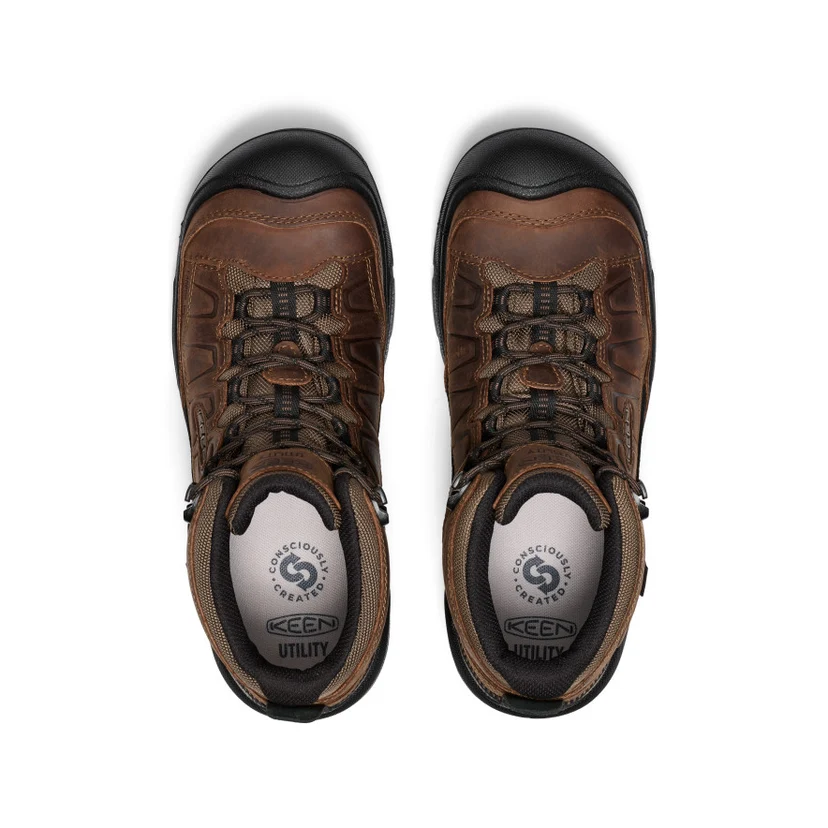
After the first month, the factory insoles began to feel too flat for repeated days on hard concrete. I replaced them with a more supportive aftermarket pair, and that was the right change for my feet. It is part of the real cost of getting this boot comfortable for long shifts. Someone with different arches may like the supplied insoles, but I would not describe my own experience as all-day comfort straight from the box.
Standing on narrow ladder rungs brought out a stronger part of the platform. The midfoot felt supported instead of folding around the rung, and the heel gave me a clear edge to place on it. I still moved deliberately on ladders, especially with tools in hand. The boot provided a stable base during that work rather than demanding constant attention to foot position.
The carbon toe earned its place
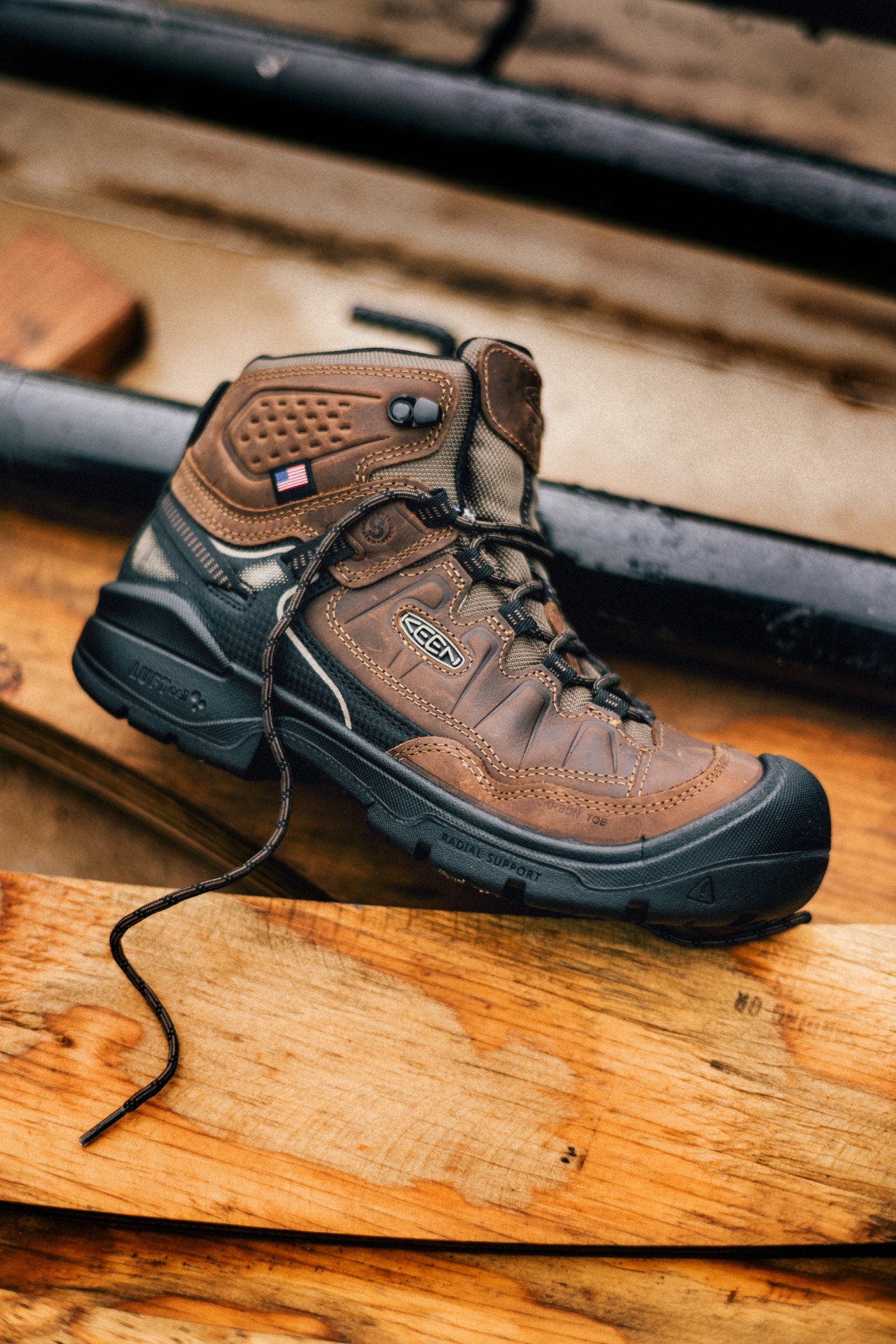
A thick sheet of marine plywood fell from several feet up, edge-on, right onto my right foot. It landed on the carbon toe, and I felt no painful impact. It was a good reminder of why you wear safety boots for this kind of work: I've seen that exact scenario break someone's metatarsals before. I would have been totally out of luck if I had actually been injured; I had no time at all to waste. The large rubber bumper ahead of the leather also took daily knocks against boat stands and timber without the front of the boot opening up.
KEEN describes the pair as having left and right asymmetrical carbon safety toes. In practice, they had plenty of room for toe movement, with no rubbing on the sides and no awkward point pressing down when I knelt. The boot as a whole still ran hot in summer, which I expected, but I did think carbon toes might feel a touch colder than steel.
Grip around the yard
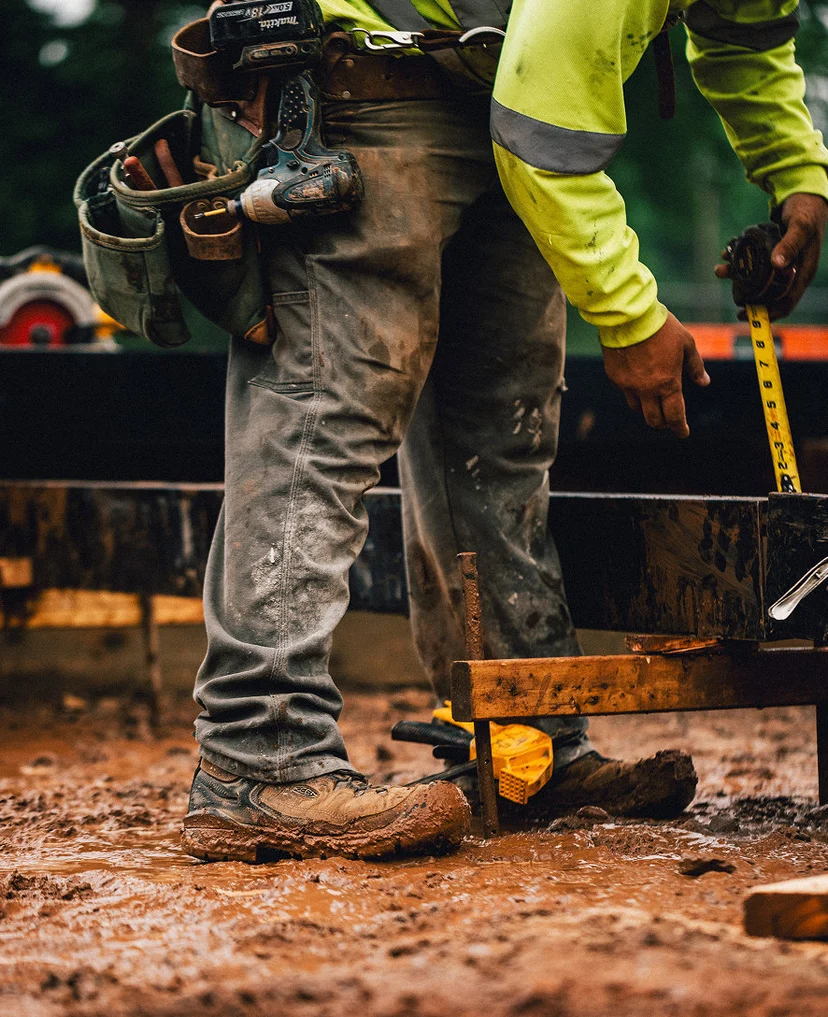
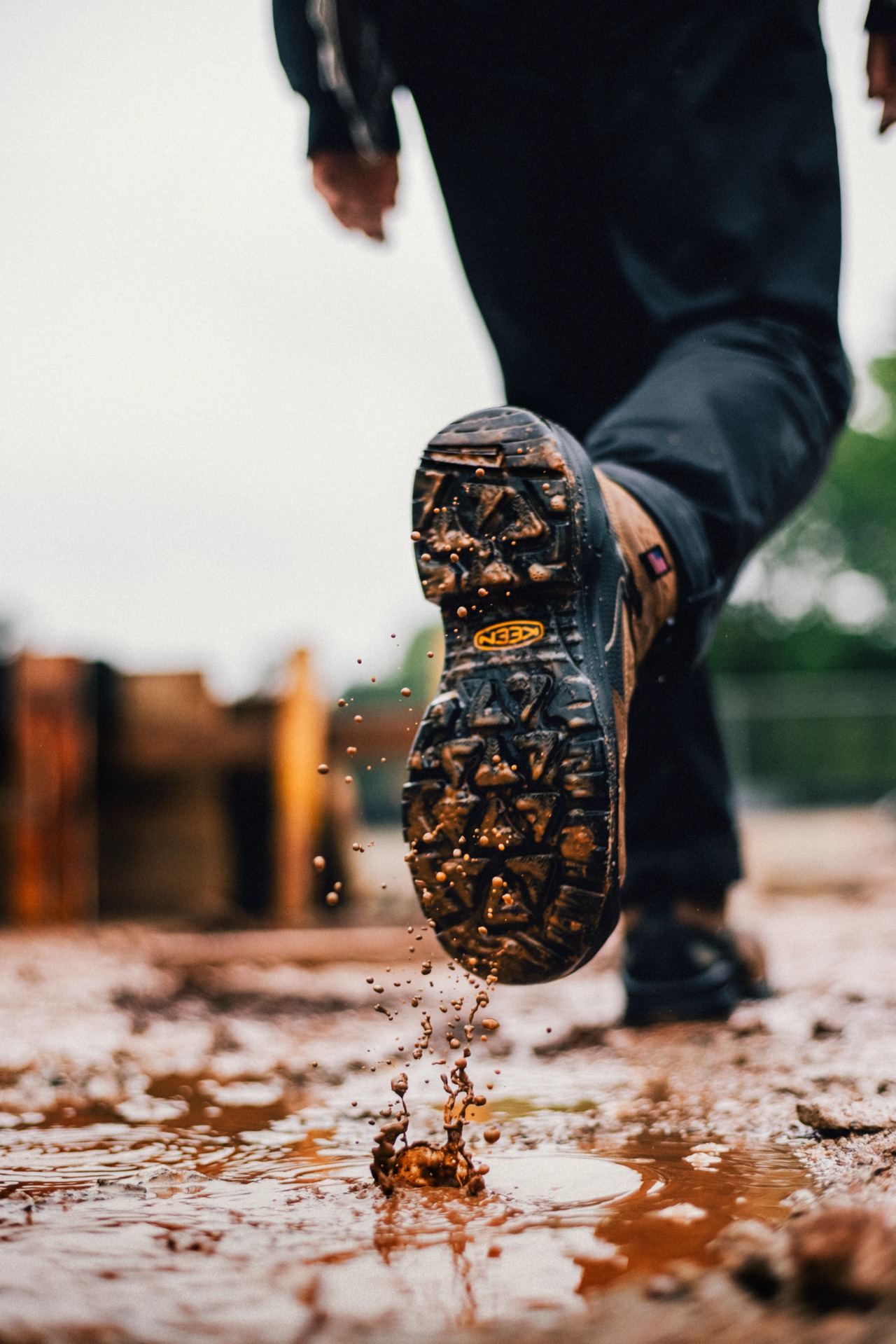
The outsole gripped dry concrete, muddy tracks and wet timber scaffolding well in my day-to-day work. I could move around the yard without changing footwear when a job took me from a dry bench to a damp access route. The tread cleared ordinary dirt, and the defined heel helped on ladder rungs and uneven ground.
The outsole is also oil- and slip-resistant, a bonus when working in bilges and engine compartments.
Dry through winter, hot through summer
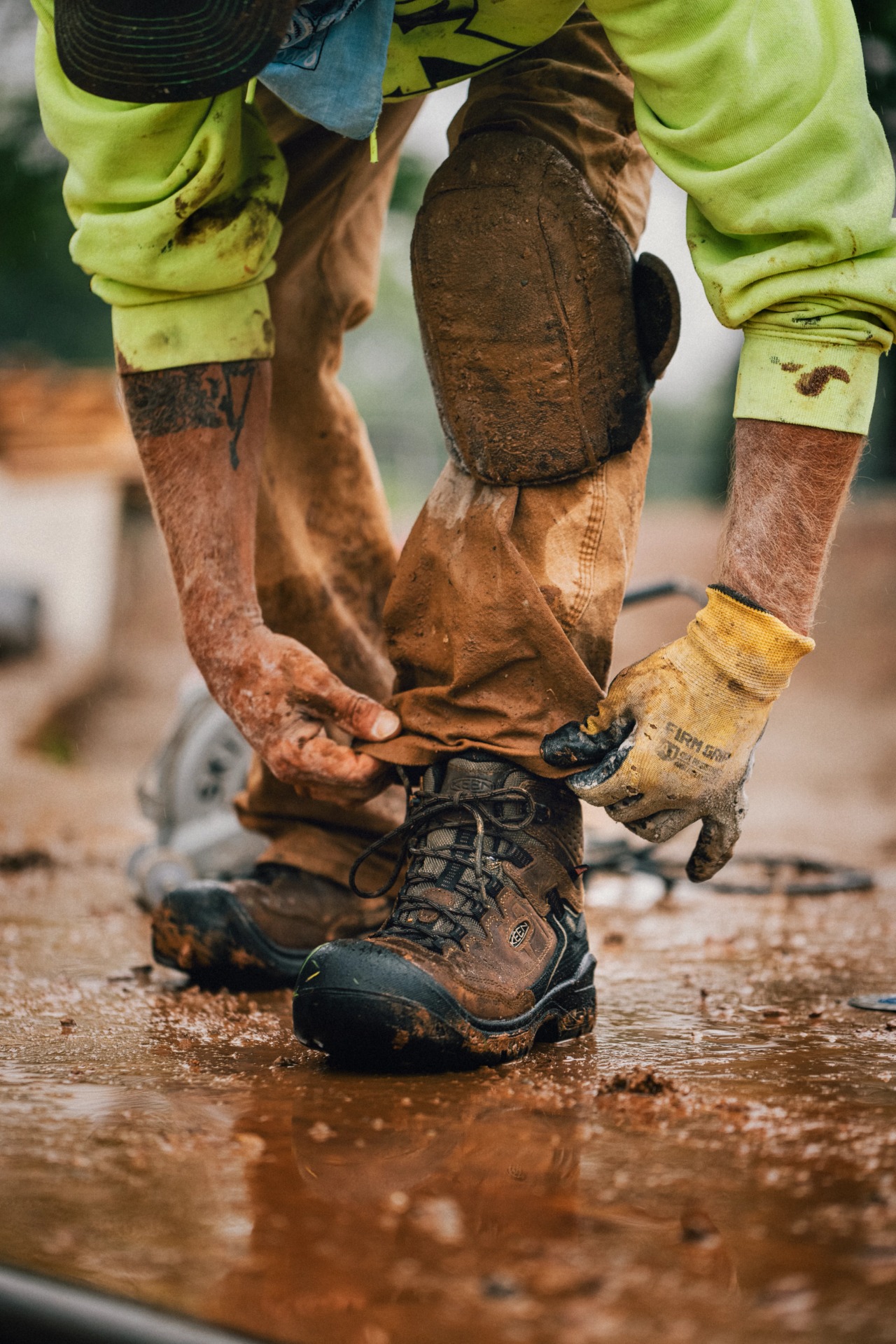
Greek winter work meant puddles in the yard and truly heavy rain that sometimes fully submerged my working area, forcing me to set up on pallets instead. My socks stayed dry, and the waterproof construction let me keep working through the worst of it. The collar still has an opening, so the boots do have a limit, but they handled rain, deep puddles and routine splashes from a hose or pressure washer.
Summer was more difficult. During shifts above 95°F (35°C), the waterproof membrane and leather upper trapped heat. Lightweight merino socks helped me manage moisture, but the boots were still hot. I accepted that tradeoff because water and dirty yard conditions were part of the same project. If most of my work had been indoors in a dry, heated building, I would have chosen a more ventilated shoe instead.
Scars on the leather, no peeling sole
After a full year in the yard, the leather carries visible scars from grinder sparks, epoxy drips and contact with rough materials such as concrete, timber and boat stands. I expected that, obviously. The sole has not started separating from the upper, the stitching remains sound, and the rubber bumper has kept the front of the boot intact. Even the original laces survived, which is not often the case.
KEEN calls its upper-to-sole process KEEN.FUSION and says it does not rely on glue. KEEN does not specify exactly how it works, but my pair shows no delamination. Boots that come apart at the front are usually finished for my purposes, however good the rest of the upper looks. This pair still has a serviceable structure beneath its scuffed surface.
I would not describe it as untouched by chemicals. Epoxy and oily water marked the leather, and I cleaned it as I would any work boot. The result is a boot that looks like it has worked while still doing the job I bought it for. That distinction is why durability earns a large part of its 4.5/5 score. These boots can take a kicking.
Against Timberland PRO and Blundstone safety boots
I have worn Timberland PRO boots and Blundstone safety boots over the years. The KEEN felt lighter on my feet than the Timberlands I used, with noticeably more space for my toes. That made the biggest difference during repeated kneeling and walking across the yard.
The slip-on Blundstones are faster to pull on, but I preferred the KEEN's laced ankle hold on uneven, debris-filled ground. That is a comparison with the pairs I have worn, not a controlled test of every model those brands sell. A slip-on can still be the more convenient choice for brief, dry tasks. For full workdays around our refit, the KEEN's fit and support made more sense to me.
Value after a year of work
I paid $235 USD for this pair and would buy it again. The wide carbon toe, steady carry on ladders and intact sole have justified that spend over more than a year of heavy mixed work. Replacing the stock insoles added a small extra cost and should be part of the decision if you need strong arch support on concrete.
For tradespeople, builders or boatyard workers who move between wet outdoor ground and harder indoor surfaces, it is a useful combination of protection and walking comfort. It makes particular sense for someone whose toes feel cramped in conventional safety boots. If you work mainly in hot sun, you might want something lighter, though no safety boot is going to be amazingly breathable.
KEEN Targhee IV Work Boot details
| Model tested | Men's Targhee IV Waterproof Work Boot (Carbon Toe), Dark Earth/Black |
|---|---|
| Size worn | UK 11 / US 12 |
| Use | More than a year during a two-year, 45-foot catamaran refit in a Greek boatyard |
| Purchase | Self-purchased for $235 USD |
| Protection | Asymmetrical carbon safety toes and rubber toe bumper (KEEN specification) |
| Waterproofing | KEEN.DRY membrane (KEEN specification) |
| Sole construction | KEEN.FUSION upper-to-sole bond (KEEN specification) |
| Listed weight | 26.81 oz / 760 g per shoe (KEEN specification) |
| Score | 4.5/5 |

Sources & context
What this review draws on
Fit, comfort, traction, waterproofing, impact protection and wear come from Adam's year-plus of catamaran refit work. Product names, materials and listed specifications were checked against KEEN's product page. This was everyday work, not a controlled safety or slip test.
Editorial disclosure: Adam Whistler bought the KEEN Targhee IV Waterproof Work Boot himself for $235 USD. KEEN did not provide the boots, contribute to the review or have editorial input.