
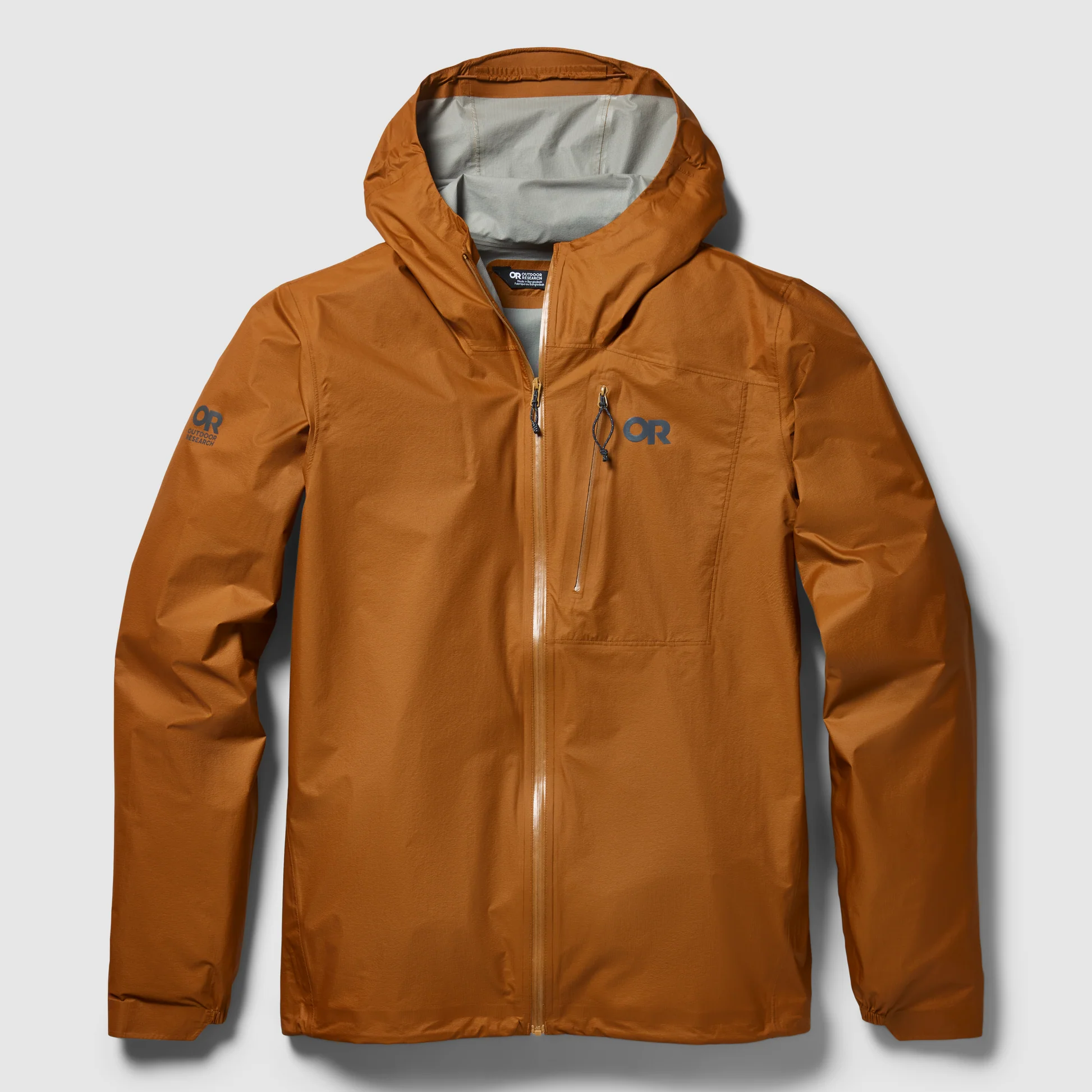
I borrowed a nearly-new Outdoor Research Helium UL from a friend for two weeks of camping and hiking in Cornwall in January 2026. I wanted to see how such a light jacket would handle a proper battering from the weather. With cold days, plenty of rain and an exposed coastal walk in driving sleet, it got one.
The jacket tested was the men's model in Sedona, size medium. At 6ft tall, I found it a great fit over a base layer and mid-weight fleece. It felt light while walking and packed away into a small enough bundle that finding room for it was effortless.
Size and weight were basically the strongest points of the jacket. I have to say I liked carrying it a lot more than I liked wearing it through prolonged rain. Don't get me wrong, the hood and wind protection were good, the fabric survived rucksack straps, campsite jobs and the odd scrape off rock or a tree without any damage. But I came out of the rain with damp, clammy underlayers, and I really missed having somewhere to put my hands.
Quick verdict
The Helium UL is easy to carry and packs down small enough to leave in a rucksack without thinking much about it. I liked the secure hood, wind protection and the way the fabric survived our rough treatment.
I was less keen once the rain settled in. My layers got damp, climbs became clammy and I missed having hand pockets. I'd keep it for occasional showers on mostly dry walks. At $225, I'd want a substantial discount before buying one for that job.
What works
- Exceptionally light and compact when packed into its chest pocket
- Secure hood with a supportive brim and a clear view
- Effective wind protection on exposed paths
- Good fit over a base layer and mid-weight fleece
- No snags or visible damage after two weeks of hiking and camping
What to know
- General dampness developed inside during sustained rain
- Clammy on climbs, with no pit zips to release heat
- No hand pockets
- Stiff zips needed care with cold hands and gloves
- Thicker winter layers restricted movement across the chest and upper back
Full verdict
I liked the idea of a waterproof I could leave at the bottom of my rucksack and barely notice. At 162g, the Helium UL delivers on that. It packs into its own chest pocket, takes up very little space and cuts the wind well when you pull it on. The hood was good too. There was plenty to like before the weather got properly stuck in.
Wearing it through prolonged rain was a different story. The outside saturated, my underlayers got damp and I spent the climbs fiddling with the main zip to stop myself getting too sweaty. Then we'd stop and I'd reach for hand pockets that weren't there. I hadn't even noticed that omission before the first hike, but I noticed it plenty afterwards.
My mate Andy was wearing a borrowed Arc'teryx Beta SL alongside me. His layers stayed dry, and he had pit zips and hand pockets. I became increasingly envious of both. You can read our Arc'teryx Beta SL review for his experience in the same weather. It was bulkier in the bag, but I would have been very happy to swap once we were out in the sleet.
The Helium gets 3.5 out of 5 from me. Its size, weight and wind protection make it appealing for carrying on mostly dry walks, and it survived the rough treatment well. But $225 is a lot for a jacket I'd keep for occasional showers. Around $120, I'd be much more tempted to buy one and leave it in my summer pack.
Testing in Cornwall
I borrowed the jacket nearly new from a friend and wore it for two weeks of camping and hiking in Cornwall in January 2026. Mine was the men's version in Sedona, size medium. My usual combination underneath was a base layer and a mid-weight fleece.
We walked with loaded rucksacks, spent time on exposed coastal paths and did the usual campsite jobs: pitching, sorting kit and working around the stove. There was plenty of rain, a lot of cold wind and an especially unpleasant hour of driving sleet. I was curious about how an ultralight jacket would cope with a proper battering, and Cornwall obliged.
The jacket spent a lot of time zipped up with the hood on. That gave me a good feel for the little things as well as the rain protection: operating the zips with cold hands, keeping the hem down while bending over and trying to release heat without letting the weather straight in.
Rain protection and drying
During one heavy soaking, the water stopped beading after about 25 minutes. The outer fabric saturated and my midlayers ended up damp. That was a fairly quick end to my enthusiasm for spending a whole wet day in it.
It was a general dampness inside, with sweat building up on the climbs as well. I came out of those stretches feeling cold and clammy, which is a miserable combination when you've still got walking to do. The low weight wasn't giving me much consolation by that stage.
The roughest spell was on an exposed coastal path where the wind was driving sleet at us for about an hour. It melted on the fabric as I walked, the outside became thoroughly wet and I could feel cold dampness against my core. Andy's layers stayed dry in his Beta SL. He was considerably happier with his choice of jacket than I was with mine.
I wouldn't take the Helium as my main waterproof for another trip with that forecast. A short shower is one thing, but with the weather settled in for a proper soaking I wanted a shell I was comfortable staying out in.
It did dry very quickly once the rain stopped. The thin fabric lost its wet feel noticeably faster than Andy's heavier jacket back at the tent. I appreciated that between showers, and it's one of the Helium's better qualities. I'd still have preferred to keep my underlayers dry in the first place.
Wind protection and the hood
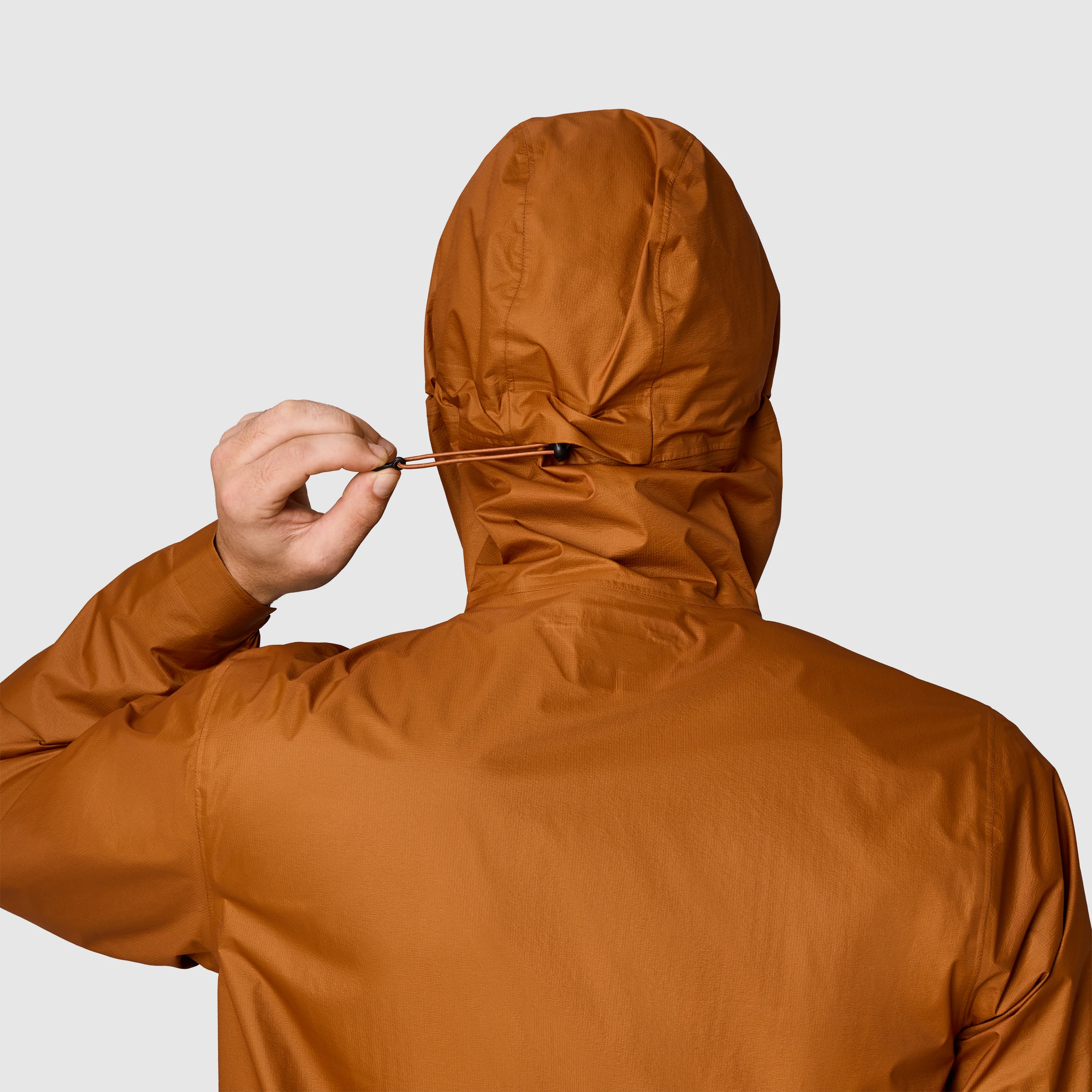
The wind protection was good. On the exposed sections, the Helium blocked the coastal wind well, and I could get the hood settled without much fuss. I wasn't fighting to keep it on my head every time a gust came through.
The single adjustment pulled it into a snug fit. Once cinched, it stayed secure and left me with a clear view of the path. The stiff, sloping brim also kept rain out of my eyes, so I wasn't constantly pushing it back to see where I was putting my feet.
I liked how little attention it needed once adjusted. With a heavy pack on and bad weather coming at you, it's enough to concentrate on walking. The hood let me get on with that.
The collar was comfortable too. Fully zipped, the chin guard gave my face a softer place to sit against than the rest of the inner fabric. I was happy with the hood and wind protection even when I was becoming considerably less happy with the damp layers underneath.
Breathability on climbs
Uphill with a loaded pack, I got clammy fairly quickly. There are no pit zips, so I kept reaching for the main zip to let some heat out. It became a regular part of the walk: open it, cool down a bit, then close it again when the wind and rain found the gap.
That was a faff on a sustained climb. I wanted more air without exposing the front of my fleece to the weather, and there wasn't another opening to use. Andy could open the pit zips on his jacket while keeping the front closed. Watching him do that didn't improve my mood much.
The plasticky inner surface also felt sticky against bare skin. I much preferred having my base layer between me and the jacket, especially once I'd started sweating. Pulling it on feels light; wearing it while working hard wasn't nearly as comfortable.
The fabric was quite swishy and crinkly early on as well. It softened a little with use, but it was still something I noticed when moving around or walking in the wind.
For me, the missing ventilation was a bigger irritation than the noise. On a climb I was already warm enough, even in January, and I wanted an easier way to deal with that heat than constantly adjusting the front of the jacket.
Fit and layering
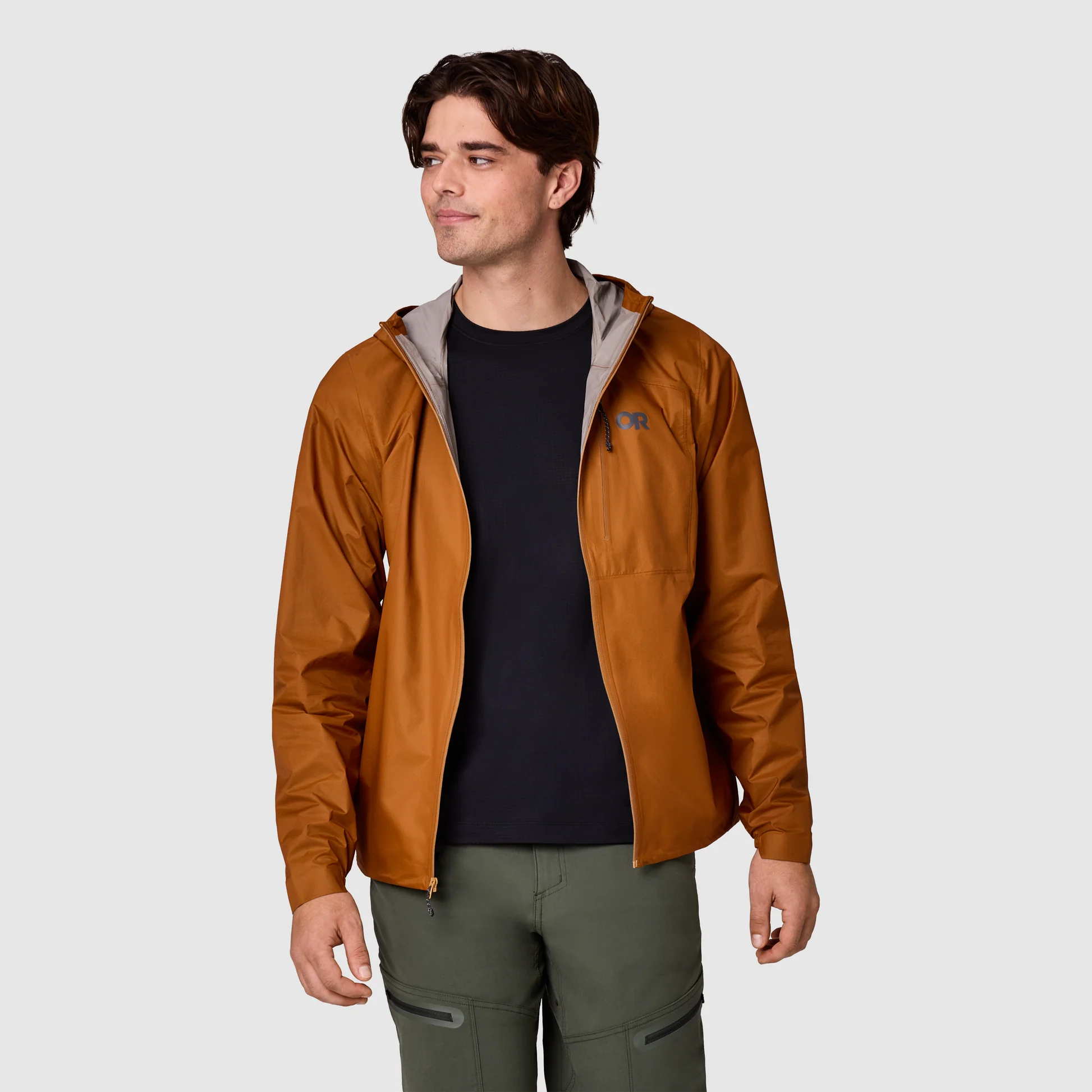
At 6ft, I found medium a great fit over a base layer and mid-weight fleece. It sat fairly trim around my body, with enough room for the layers I wore while walking. I liked the lack of loose fabric getting in the way under my rucksack.
Anything much thicker was a squeeze. Crossing my arms pulled it tight across my chest and upper back, and I could feel the limit of the cut. Medium suited my normal walking layers, but I wouldn't want to cram bulky winter insulation underneath it.
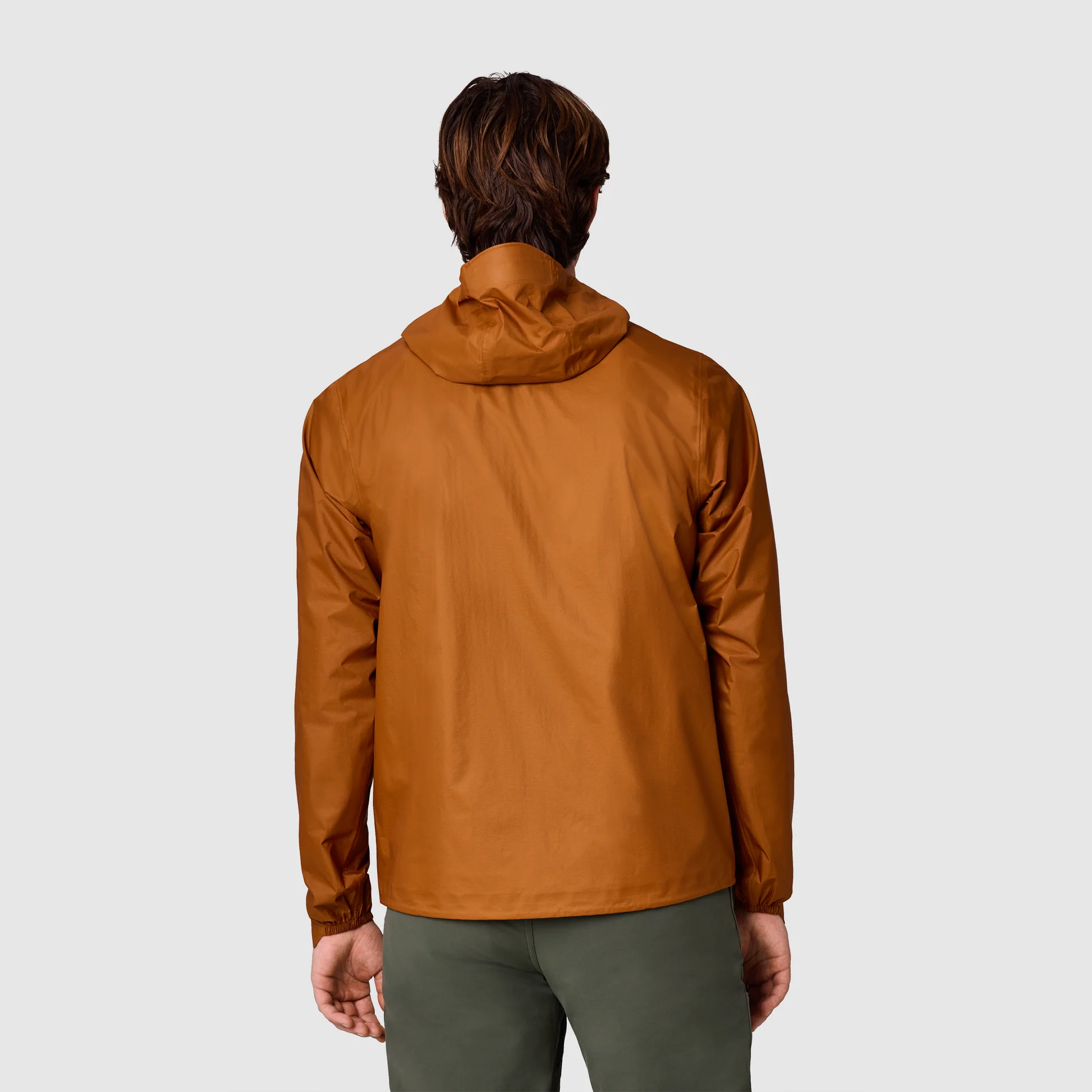
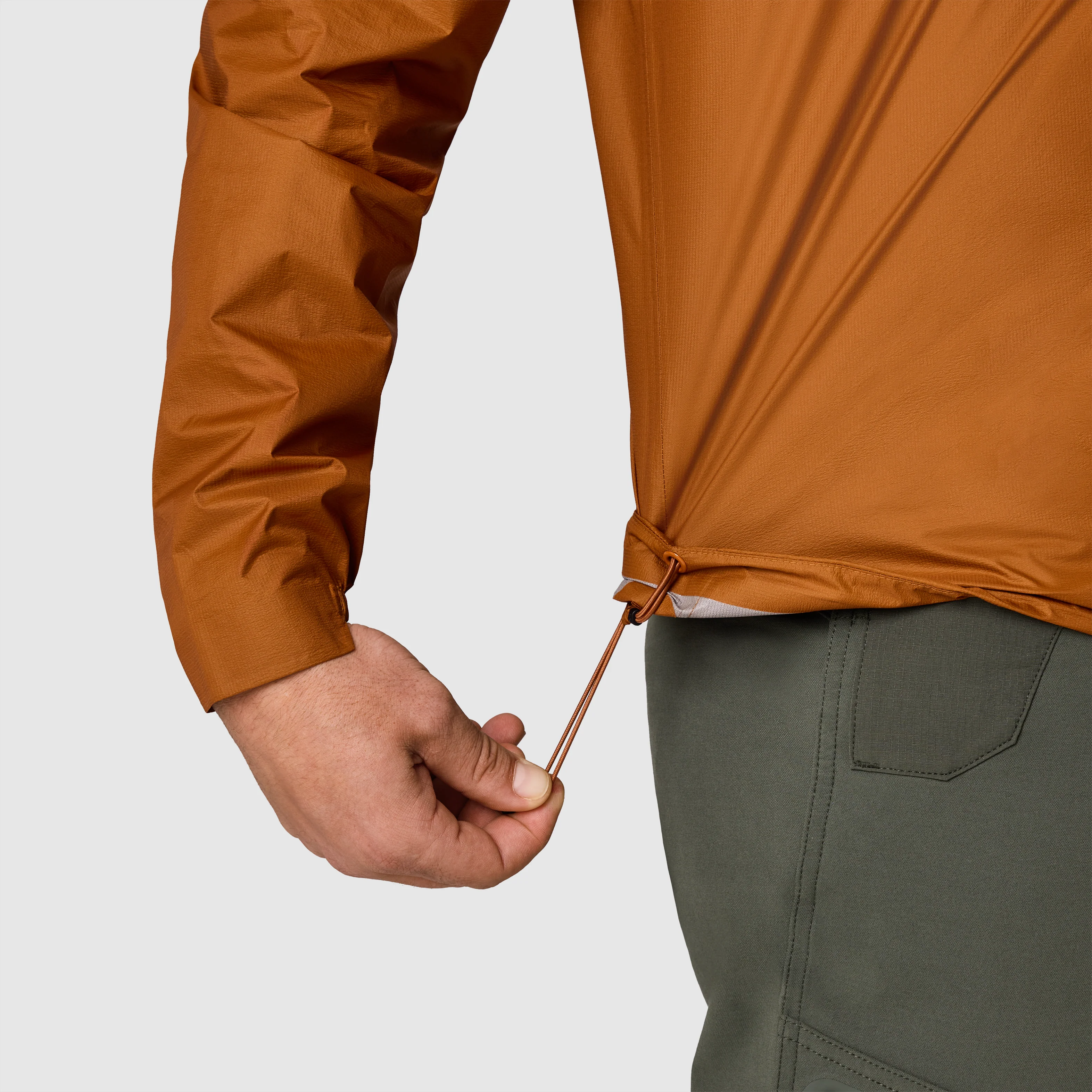
The length worked well. The dropped rear hem stayed down when I bent over to pitch the tent or sort something around the stove. I wasn't having to pull the back down after every movement.
The hem adjustment also held its position well. Once tightened, it kept the bottom of the jacket where I wanted it without needing constant attention.
So I was pleased with the size for active use. Around camp, when I wanted more insulation underneath, I'd have liked extra room through the upper body. That was where the trim fit stopped being quite so appealing.
Pockets, cuffs and zips
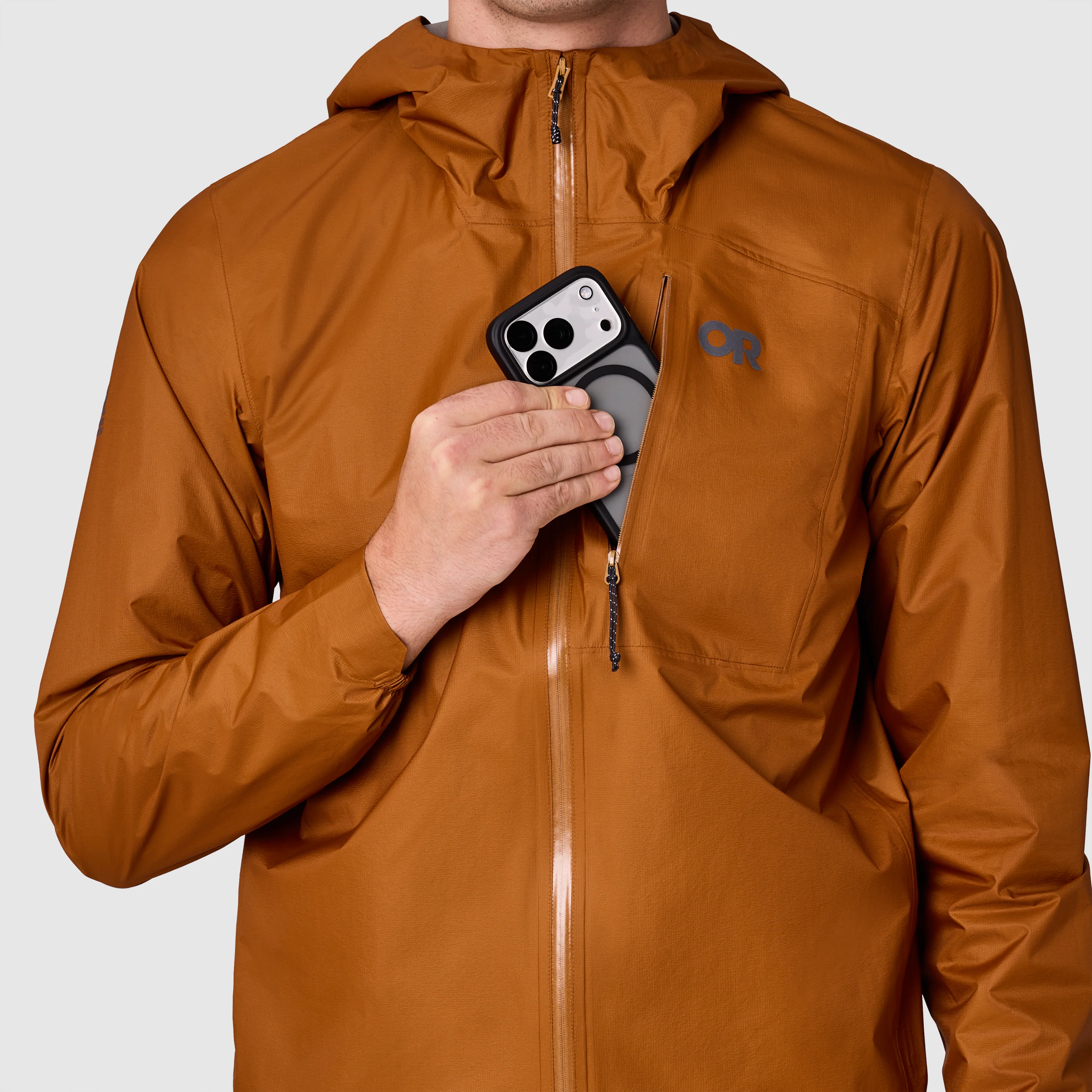
There's one chest pocket, and I could reach it above my rucksack's sternum strap. Its position was handy enough, but putting my phone in it made the thin fabric sag and bounce against my chest as I walked.
That got irritating quickly. I'd keep something light in there, but I preferred carrying the phone elsewhere. The pocket also doubles as the jacket's stuff sack, which was a much more successful use of it.
The lack of hand pockets was my main grumble. I kept wanting somewhere to tuck my hands when we stopped, particularly in the cold around camp. Instead, I ended up sitting on them while Andy made good use of his pockets. It's an omission I wouldn't want to live with in a winter shell.
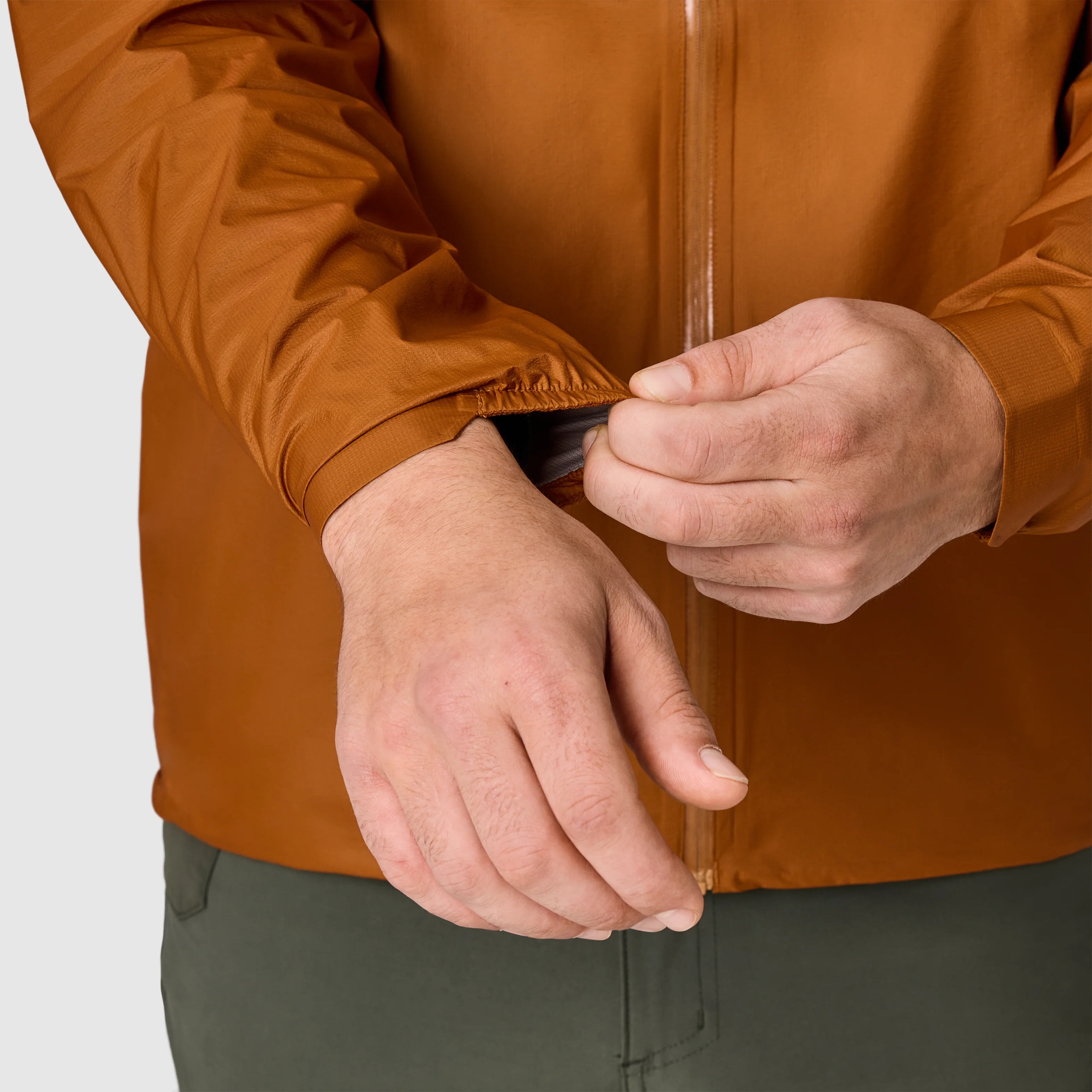
The partly elasticated cuffs were a bit gappy around my bare wrists too. With gloves on it bothered me less, but without them I wanted a closer seal. There's no cuff adjustment to pull things in tighter.
Both zips were stiff. With numb fingers or thick gloves, I usually needed one hand to pull and the other to hold the thin fabric taut. Trying to make a quick adjustment while cold became a two-handed job.
Once everything was zipped up, the chin guard was comfortable against my face. That was a nice detail. I just wished getting there, or opening things up again on a climb, took a little less effort.
Camping comfort
Moving around camp, I liked the low bulk and the coverage at the back. Bending down to pitch, reaching for kit and working around the stove didn't leave my lower back exposed. The hem stayed put and the fabric didn't get in my way.
It also came through those jobs without a snag. For something that felt so thin in my hands, it coped well with the ordinary knocks and scrapes of camping. I was borrowing it, so returning it in good condition was a relief.
Sitting down was less pleasant. After a wet walk, with damp underlayers and cold hands, I wanted to settle into a jacket that was comfortable to leave on. The Helium's sticky interior and missing hand pockets made that harder than I'd have liked.
Adding thicker insulation underneath also made the torso feel tight. For long, cold evenings outside, I'd want more room to layer up and somewhere to put my hands. The cut and rear coverage were good for getting jobs done; I enjoyed it less once the work stopped.
Packed size and durability
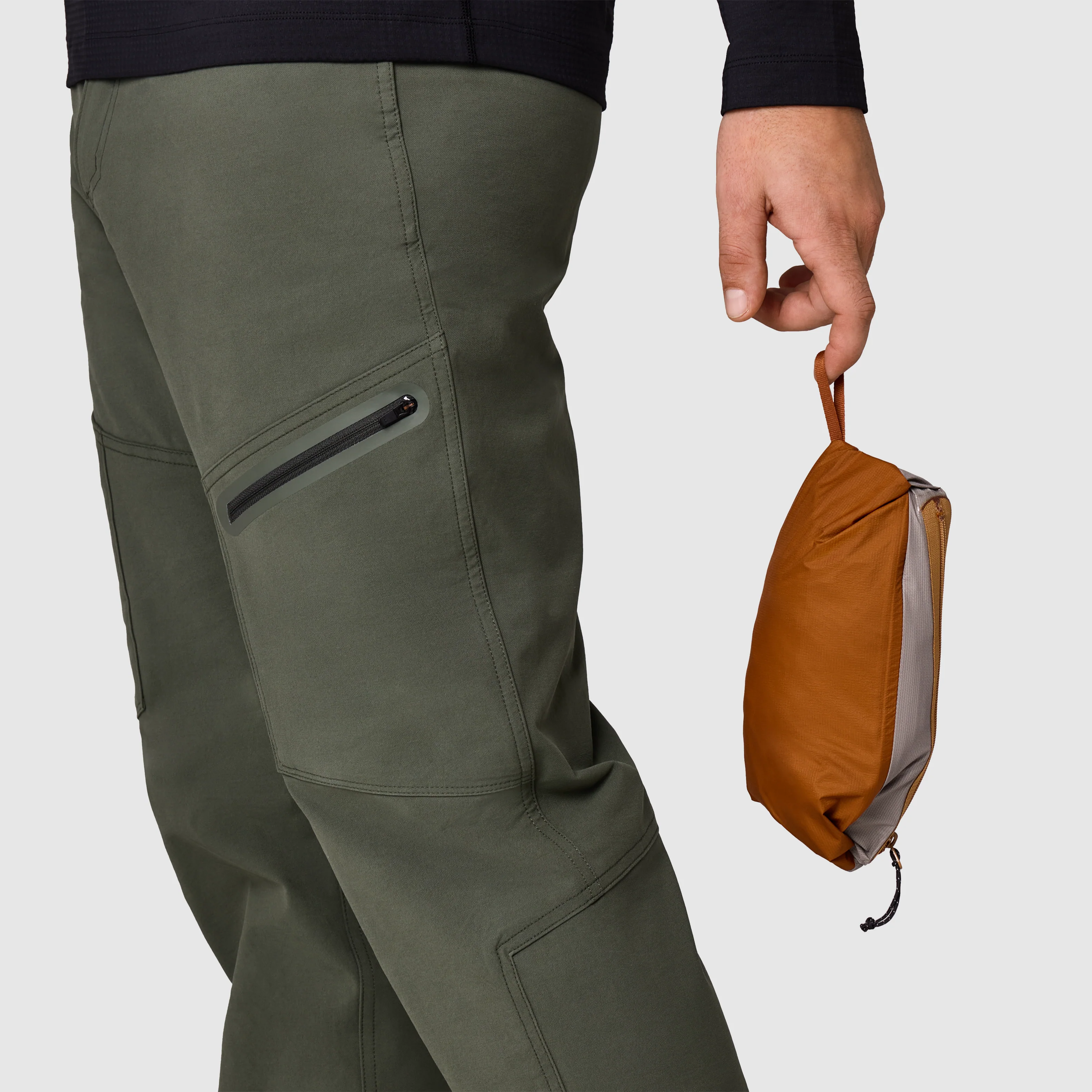
Size and weight were the Helium's strongest points. Packed into its chest pocket, it made a tiny bundle that was easy to tuck away among the rest of my gear. At a listed 162g, I barely noticed carrying it.
That still appeals to me for summer walks when I expect mostly dry weather but want something along for a surprise shower or a windy stretch. Finding space for it was effortless. Andy generally put his much bulkier shell in the main compartment of his rucksack; mine was easy to slip into a small outer pocket.
The toughness surprised me too. Rucksack straps, campsite jobs and the odd scrape off a rock or tree left no visible damage. It feels delicate enough that I found myself being careful around sharp branches, but it came back without a single snag.
I liked that combination of low weight and resistance to the wear we put it through. I hadn't expected something so thin to fare quite so well under the straps and around camp. The fabric held up better than its feel had led me to expect.
Price and value
At $225, I wouldn't buy the Helium UL for my main waterproof. I'd still need another shell for sustained rain, and I wouldn't be happy spending that much while missing hand pockets and better ventilation every time the weather turned properly foul.
Around $120, I'd be more interested. At that price, I'd buy it to live at the bottom of my pack for surprise summer showers. Its tiny packed size, secure hood and good wind protection would be useful there, and I liked how quickly it dried between wet spells.
For cold, wet hiking and camping, I'd spend my money on a jacket I was happier wearing for hours. Andy's Beta SL was much more comfortable in those conditions, though its price was another painful conversation altogether.
I came away liking the Helium's portability and toughness. I also came away with damp underlayers and a strong appreciation for hand pockets. It's a jacket I'd happily carry as a just-in-case layer on a mostly dry day. For another January soaking, I'd choose something else.
Specifications and test details
| Product | Outdoor Research Men's Helium UL Jacket |
|---|---|
| Model | 322681 |
| Size and colour tested | Medium, Sedona |
| Tester | Adam Whistler, 6ft |
| Fabric | Toray Dermizax 2.75-layer, 100% nylon 15D ripstop |
| Listed weight | 162g / 5.7oz |
| Pockets | One zipped chest pocket, also used for packing |
| Zips | YKK AquaGuard main and chest-pocket zips |
| Hood | Adjustable, with brim wire |
| Cuffs | Shaped cuffs with partial elastic |
| Hem | Elastic drawcord adjustment |
| Listed US price | $225 |
| Testing | Two weeks camping and hiking in Cornwall, January 2026 |
| Product loan | Nearly-new jacket borrowed from a friend |
Overall score
3.5 out of 5. Excellent packability, a secure hood and effective wind protection, held back by clamminess, awkward cold-weather details and discomfort in prolonged rain.

Sources & context
What we checked
Fit, comfort, rain and wind performance, drying and durability observations come from Adam's two-week loan. Outdoor Research's Helium UL product information supplies the model number, fabric, listed weight, features and US price.
Editorial disclosure: Adam borrowed a nearly-new Helium UL Jacket from a friend for this review.