
I carried the Bluetooth SPOT X for about 120 days of hiking, biking, camping and canoeing around Quebec. Almost all of that time was outside cell coverage, so I relied on it to keep in touch. I bought it myself for €274.00 on offer, with the usual €29.95 activation fee waived, and paid €17.95 a month for Flex Basic service. SPOT did not supply it or support this review.
Quick verdict
The SPOT X is tough, lasts a long time between charges and can send a message without a phone. I enjoyed those strengths on open rides and at camp. But under thick trees or down in a valley, messages could sit for 40 minutes or fail, and a few arrived so late that my partner wondered if something was wrong. That is hard to shrug off in a device I carried because I had no cell service.
What works
- Standalone check-ins and messages without needing a phone
- Battery lasted weeks with tracking off and light daily messaging
- Survived rain, drizzle and knocks during a season outdoors
- Open-sky messages and bike tracking worked well
What to know
- Messages sometimes took 40 minutes or failed under dense canopy
- Delayed delivery occasionally worried my partner at home
- Tiny keys are awkward and unusable for me in gloves
- App and Bluetooth contact sync feel dated
- Unlit directional pad is awkward beside the on-screen SOS option at night
The verdict
I wanted a device I could leave on my pack, use without my phone and trust to keep people at home informed. I liked how little attention the SPOT X needed on open rides. Its case shrugged off wet days and canoe knocks, the battery lasted ages, and messages usually went out within a few minutes. Preset check-ins also saved me from typing on that tiny keyboard.
In dense forest and steep Quebec valleys, I lost that confidence. I watched messages wait for a connection, sometimes for around 40 minutes. Some never sent; others appeared at home hours after I had written them. My partner could not tell whether I was fine under the trees or needed help. At each stop, I found myself looking for a clear patch, pointing the antenna up and waiting to see whether a message had gone through.
I give it 3.2 out of 5. I would consider it for open-ground cycling or paddling if the price and service plan suited me. For my forest-heavy trips I probably would not buy it again. I would look harder at a Garmin inReach, while remembering that its Iridium link also needs a useful view of the sky. I never used the SOS function, so I have scored the everyday messaging, tracking, handling and battery life I actually experienced.
A season beyond the phone network
My SPOT X went on hikes, bike rides, canoe trips and camping days around Quebec. I carried it for about 120 days, nearly all beyond cell coverage. Open roads and shorelines gave it plenty of sky; wooded trails and narrow valleys did not. I used custom two-way messages, preset check-ins and tracking, so it was doing more than sitting in my bag for emergencies.
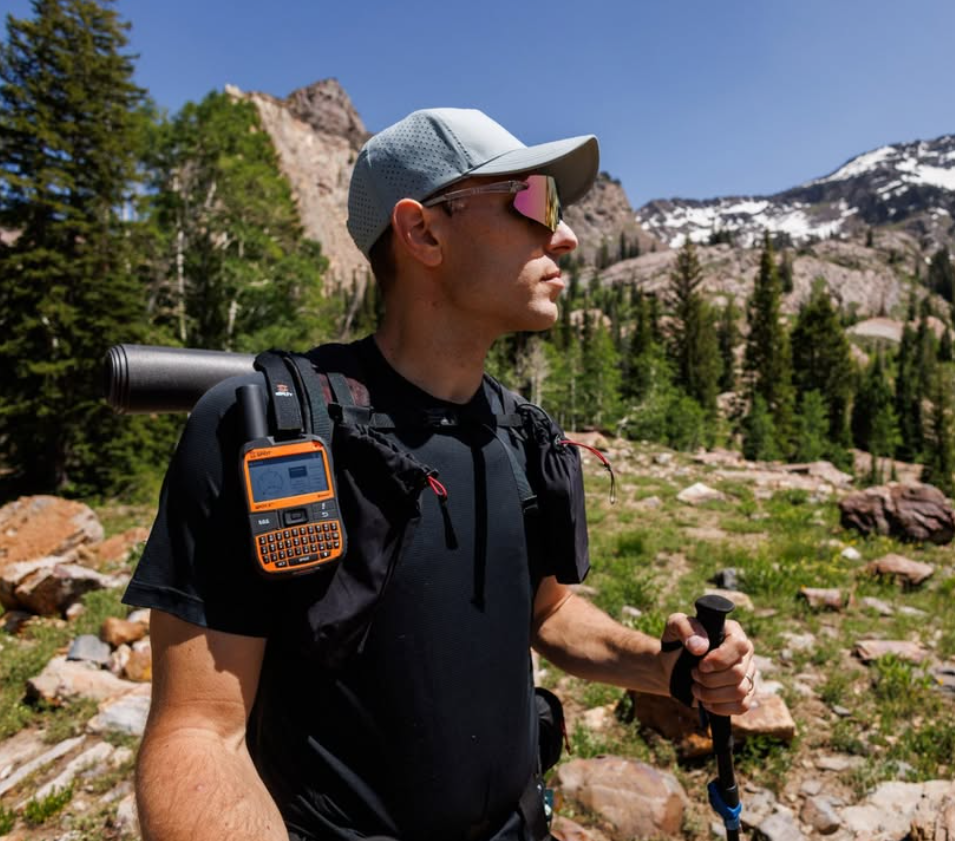
I kept it high on my pack or shoulder strap, with the antenna upright, because that is how I got the most useful connection. It also meant the device took quite a beating from weather and terrain instead of living in a protected pocket! Out in the open I barely thought about it. Under thick trees, I kept checking whether anything had actually gone through.
Activation was easy; the app was a chore
Registering the device and choosing my plan through the web account was straightforward. My offer included the waived €29.95 activation fee, which made the initial bill a little less painful. I chose Flex Basic at €17.95 a month.
Connecting the SPOT X to my phone took a couple of Bluetooth attempts. Contacts did not sync as smoothly as I expected, and the app felt dated next to the apps I use for other outdoor devices. Once paired, it was stable enough for routine use. I ended up using my phone to type most longer messages anyway, despite having a keyboard on the SPOT X.
I would sort out contacts and preset messages before leaving coverage. The app was clunky enough when I had a connection.
Messages were quick in the open and uncertain under trees
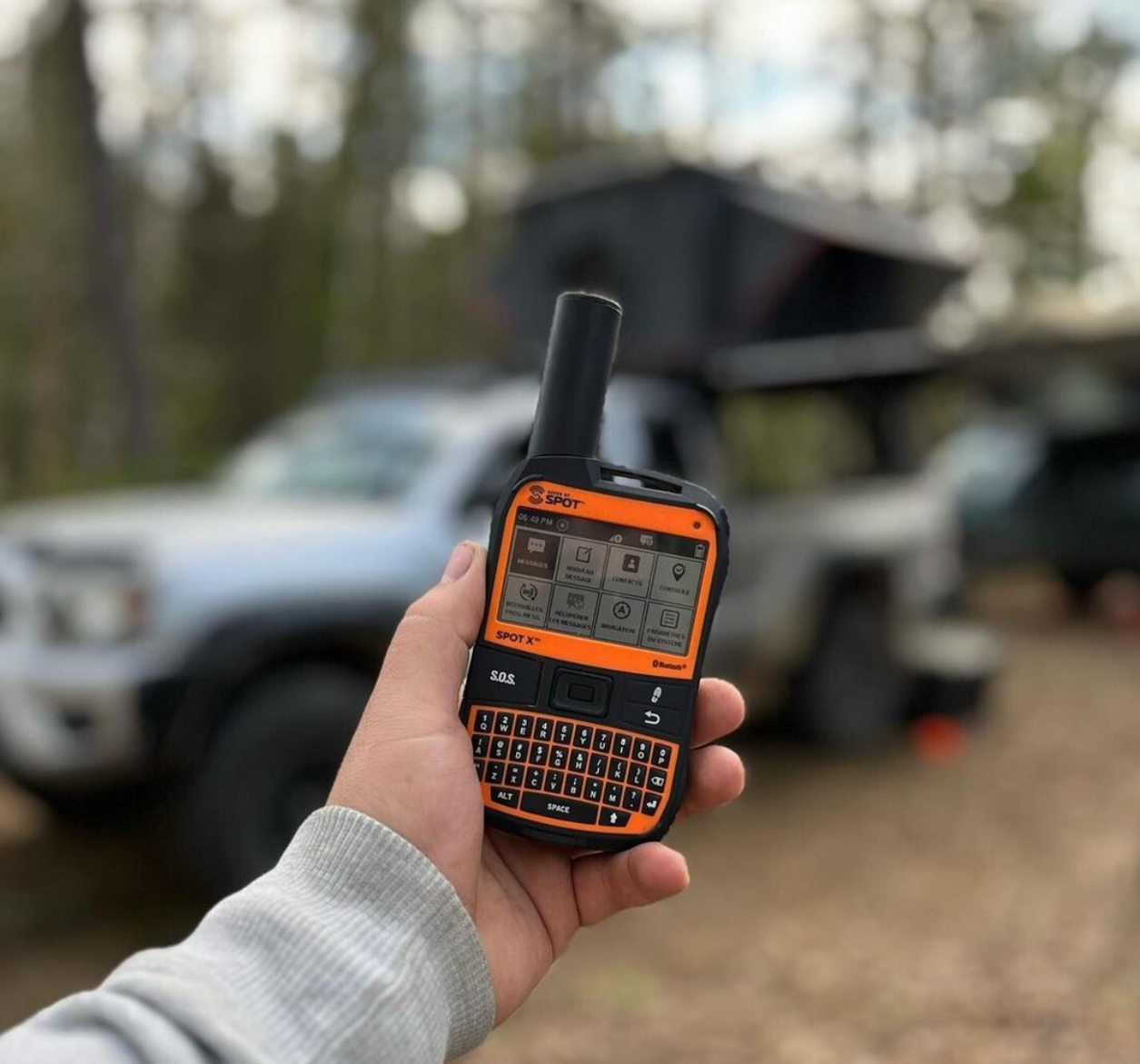
On the bike, in open sections with the antenna clear of my body and bag, messages usually left in a few minutes. That was good enough for a note saying I had reached a campsite or changed my route. I could send a custom message and receive a reply without waiting for mobile service to reappear, which is exactly why I bought a two-way messenger.
Down in wooded valleys the experience changed. I sometimes waited around 40 minutes for a message to go. A few failed entirely. Worse, some messages reached home hours after I had written them. My partner got pretty worried on a couple of those occasions, which is basically the opposite of what you want from this device.
Globalstar needs a clear view of the sky, and tall trees, valley walls and a poorly placed antenna get in its way. A lot of the places where I most wanted a communicator were the same places that didn't have the best coverage. Moving into an opening helped, but there was not always an opening near camp or along a trail.
If an “at camp now” message lands hours late, the person at home has no idea whether I am still there. Including my location and the time of my next check-in would give them more context, but it would not fix a message that fails to send.
A keyboard I mostly tried to avoid
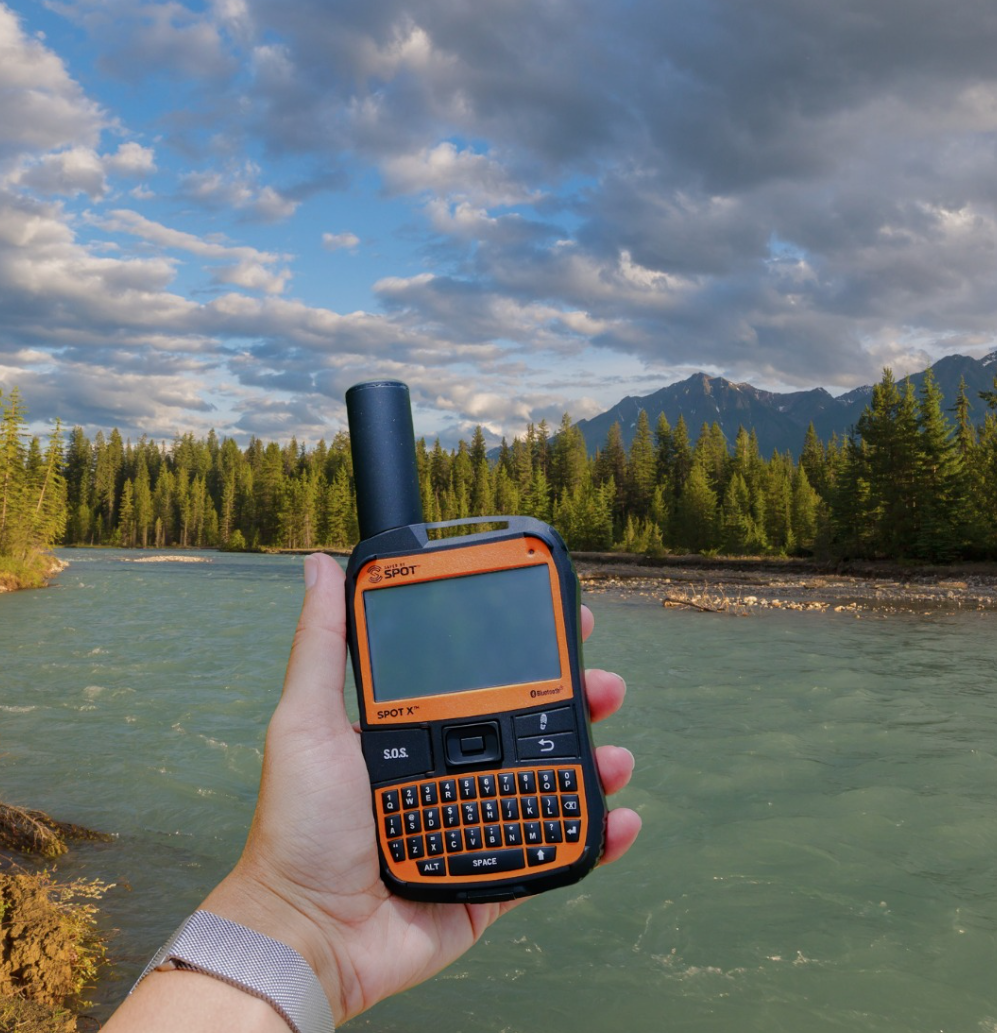
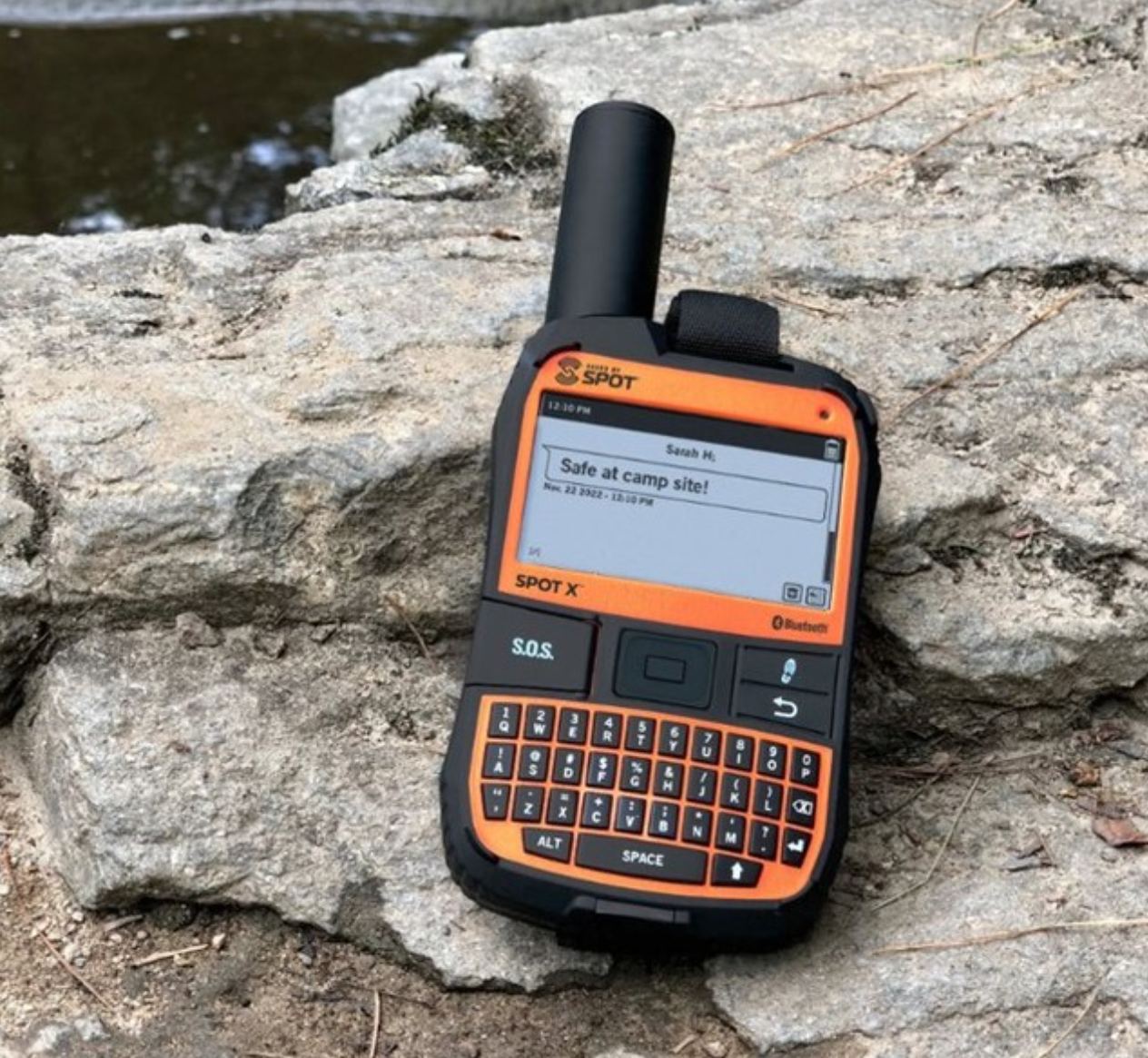
I liked the idea of being able to reply without my phone. Then I tried typing on the SPOT X. The keys are so small that I ended up pressing them with my fingernails. I could manage a brief message while stationary, but anything longer was slow going. With gloves on in cold weather, I gave up.
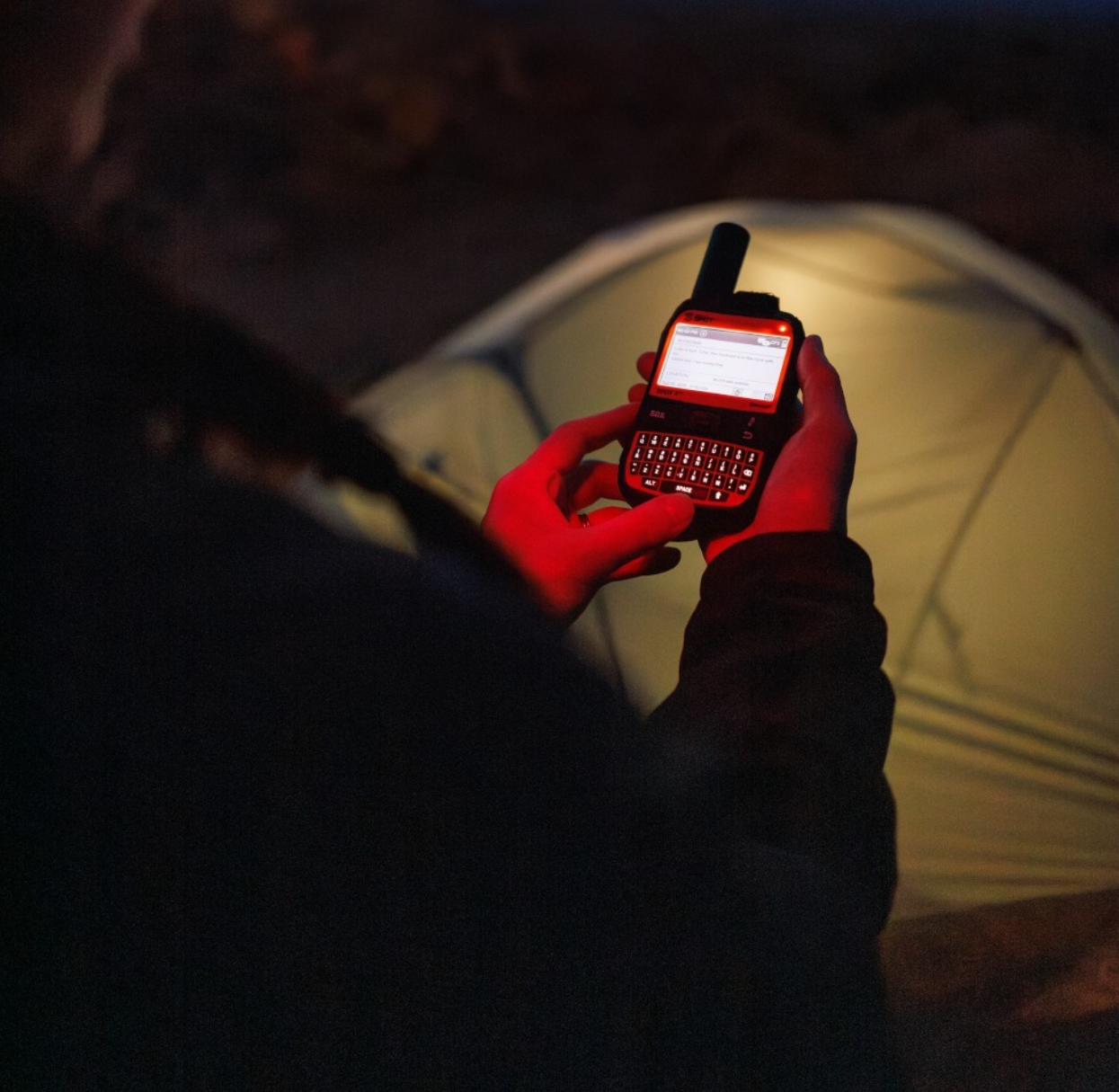
The screen was readable in bright sun and the keyboard has backlighting, which helped inside a tent. The directional pad does not light up. In the dark, navigating a message or finding the right menu item became more fiddly than it should be. The buttons are close enough that I had to stop and concentrate rather than work by feel.
Typing on my phone over Bluetooth was easier, even with the app's rough edges. I was glad the built-in keyboard was there if my phone was unavailable, but I rarely wanted to use it. If the keyboard is your main reason to choose this device, try typing a full message on one first. My fingers were too big for it, and gloves made it hopeless.
Check-ins were useful; the map could have gaps
I used preset check-ins much more often than custom texts. They let me tell home I was all right without fighting the keyboard, and helped stretch the battery when I did not need continuous tracking. I would stop, get the device clear of the trees if I could, send the check-in and make sure it had gone.
Automatic tracking worked well on open bike rides. After walks under thick cover, though, the route on the map had big gaps where points had not uploaded. Someone watching from home could easily wonder why I appeared to have stopped moving.
That made the live map a poor substitute for telling someone my route and when I expected to be back in touch. I paid for tracking because I wanted them to see my progress, and under the trees they often could not.
A secure physical SOS button, and an awkward menu
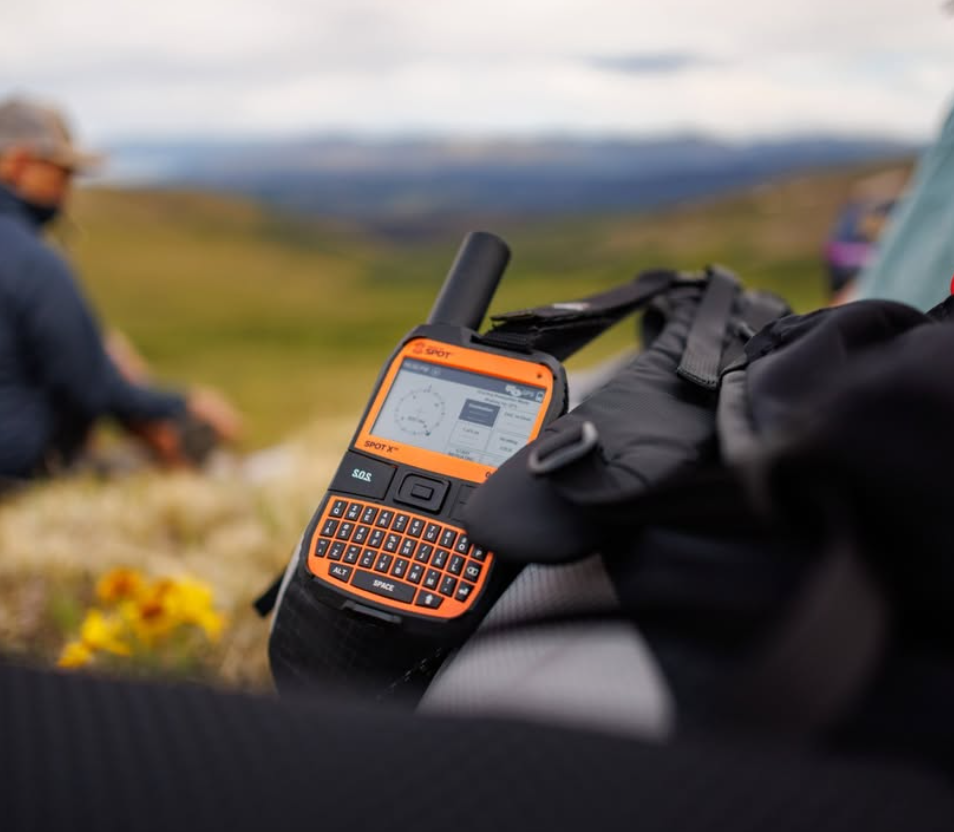
I never needed to activate SOS, and I did not set off a test alert. The dedicated button sits under a protective flap and feels secure. I liked knowing there was a physical control I could find in a hurry. The service also requires an active plan, which is another reason to check account status before leaving coverage.
There is also an on-screen SOS option in the menus. On a couple of dark evenings, while trying to read a message, I nearly selected it because I could not easily feel my way around the unlit directional pad. I caught myself before activating anything. I would rather use the protected physical button and be able to hide the option in the menu.
I never had to use SOS, so I cannot tell you how an emergency call would have gone in one of those valleys. I still told someone my route, when I expected to return and when to seek help if I failed to check in.

Battery life made one part of the trip easy
With tracking off and only a couple of check-ins each day, I got weeks out of a charge. On long weekends with tracking running, it still lasted through the trip. That is one of the SPOT X's best qualities. I could charge it from an ordinary power bank when needed, but battery life was rarely on my mind.
The charging port is Micro-USB. It worked, but it meant carrying a cable I would otherwise leave at home. I would much rather have USB-C, especially after managing damp gear at camp and trying to keep the number of little cables down.
Battery life changed with how much tracking I used, of course. Even so, a few daily check-ins lasted weeks, and tracking through a long weekend did not leave me hunting for a charger. I wish I had felt as relaxed about message delivery.
Big, exposed and hard to hurt
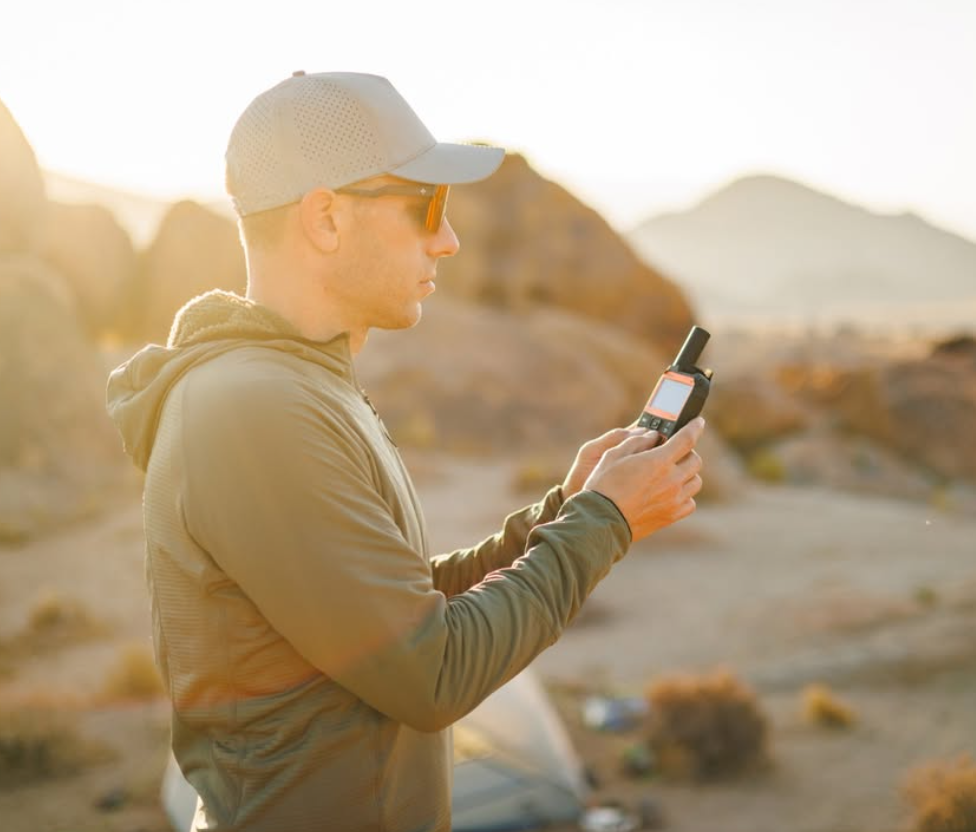
The SPOT X is chunky, with an antenna that makes it feel more like an old walkie-talkie than a modern phone accessory. It takes more shoulder-strap space than a small inReach, though I do get a screen, keyboard and battery in one unit.
It came through rain, drizzle and being knocked around in a canoe without water getting in or anything failing. The case stayed solid over the season, and the wet and the knocks it encountered caused no trouble.
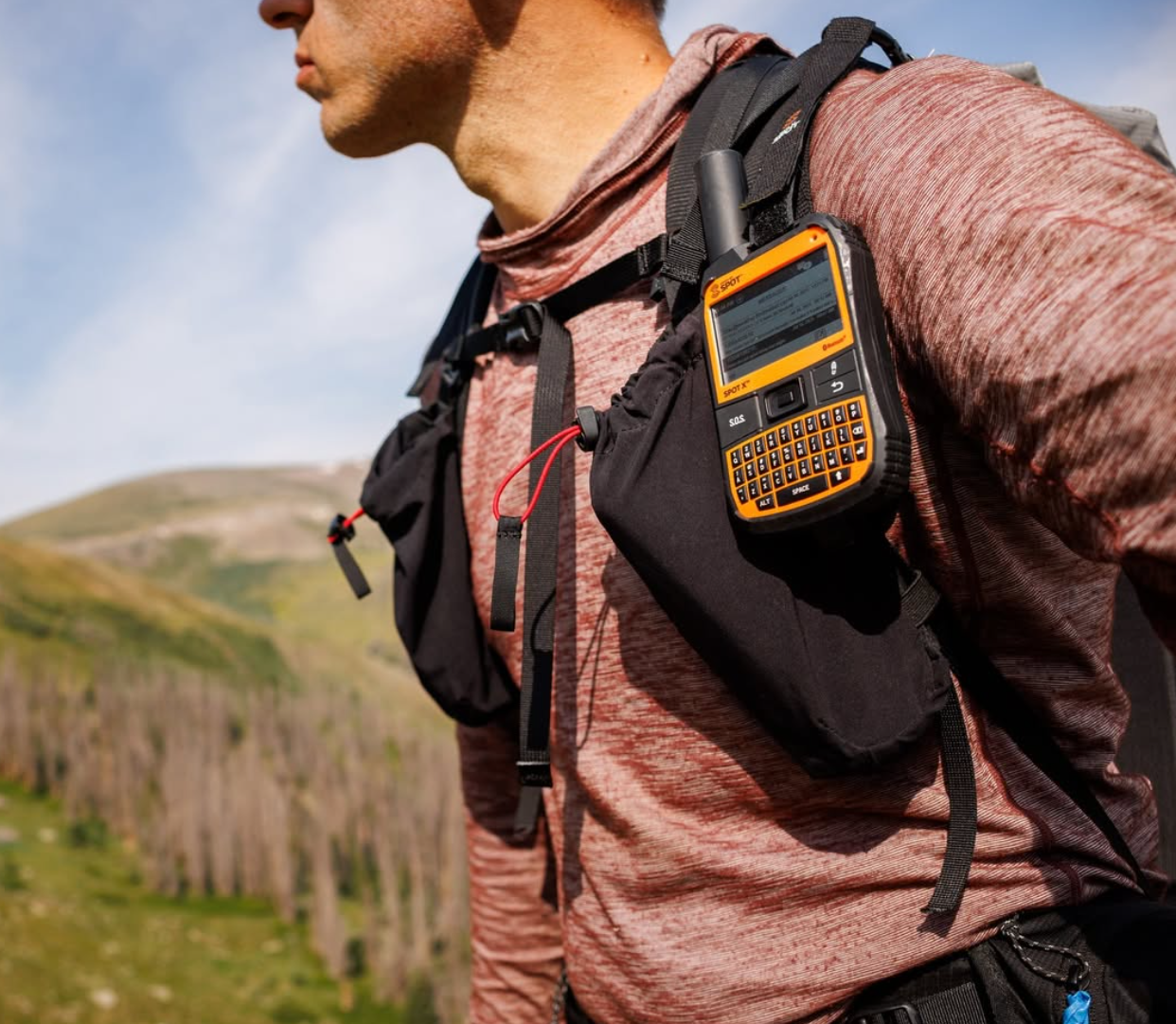
I usually clipped it to a shoulder strap or the top of my pack so the antenna pointed up. Tucking it inside the pack would have protected it better, but also made it harder to get a signal. Luckily, the case held up well enough that I was comfortable leaving it exposed.
Would I choose an inReach instead?
After this season, probably. Our Garmin inReach Mini 3 Plus review describes a more compact device with far easier controls and shorter routine messaging delays in its own Quebec test. The SPOT X cost me less up front on offer and gave me a keyboard and excellent battery life, but those advantages did not make up for the long and unpredictable gaps I saw under trees.
Garmin still recommends a clear view of the sky, so I would not expect an inReach to work perfectly under thick trees either. But on the wooded trips I actually take, I would rather pay more for the inReach. The SPOT X was at its best on open rides.
I still want a separate device with its own battery for regular check-ins and tracking. After this season, I would choose one whose everyday messaging left me less anxious about whether home had heard from me.
What the offer bought me
My €274.00 hardware price was a sale price, and waiving the €29.95 activation charge made the first payment easier. Flex Basic then cost me €17.95 per month. Over a season, the service is a meaningful part of the cost, so I would look at that alongside the price of the device.
For open cycling or paddling, I can see the appeal: a tough standalone messenger with excellent battery life at a reasonable sale price. On my wooded routes, I spent too much time waiting to find out whether a message had sent. That takes the shine off the savings.
I would recommend it to somebody who spends most of their time with open sky, wants a standalone device and can live with the keyboard. I would steer a forest-heavy hiker toward a different communicator. The SPOT X remained useful to me, but I had to work around its weak moments often enough that I would not choose it for another 120 days in the same terrain.
SPOT X specifications and test details
Physical specifications and water rating are SPOT's published figures; the price, plan and battery observations are from my unit and service.
| Version | SPOT X with Bluetooth |
|---|---|
| Price paid | €274.00 on offer; €29.95 activation fee waived |
| Service used | Flex Basic, €17.95 per month |
| Test period | About 120 days around Quebec, mostly outside cell coverage |
| Satellite network | Globalstar |
| Published weight | 7.0 oz / 198.4 g |
| Published dimensions | 6.54 x 2.9 x 0.94 in |
| Water rating | IP67 |
| Charging | Micro-USB rechargeable battery |
| Controls | Physical QWERTY keyboard, directional pad and protected SOS button |
| Phone connection | Bluetooth companion app |
| Overall rating | 3.2 / 5 |
Overall score: 3.2 out of 5. I liked the battery, independent check-ins and durable case. Unpredictable delays under trees kept me from trusting its everyday messaging on the routes I actually took.
Emergency communication guide
Satellite Communicator vs PLB: Which Should You Carry?
How two-way messaging differs from a dedicated distress beacon when you travel beyond coverage.

Sources & context
What we checked
The handling, messaging delays, tracking gaps and battery observations come from my 120 days with the SPOT X. I did not test an SOS activation. Product dimensions, weight, IP67 rating and the active-plan requirement were checked against SPOT's product information and SPOT's setup guide. Garmin's antenna guidance confirms that Iridium devices also need a useful sky view.
Editorial disclosure: I bought the SPOT X myself for €274.00. SPOT did not supply the device or contribute to this review.