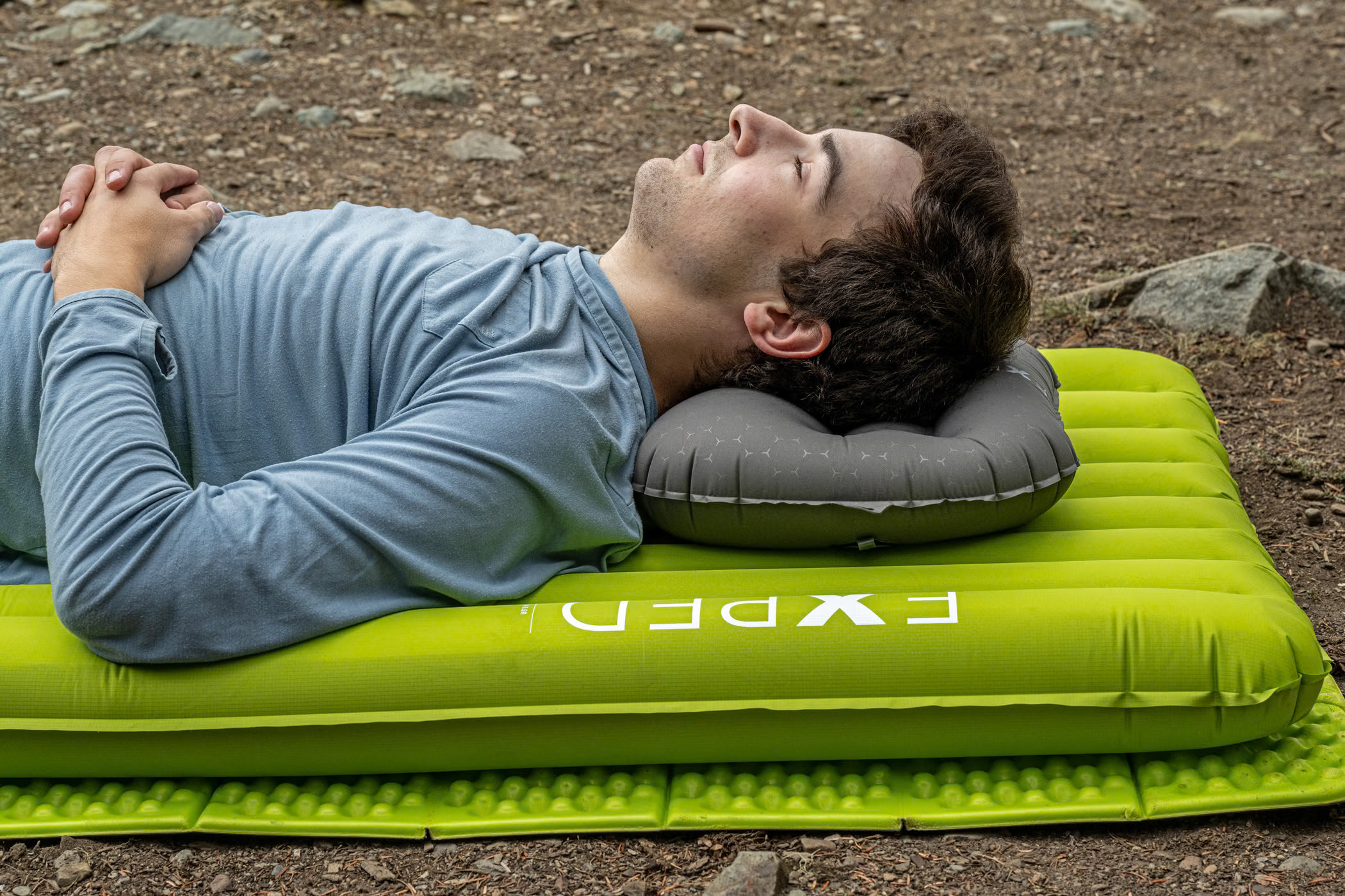
You can spend a small fortune on a sleeping bag and still have a miserable night if the mat underneath lets too much heat escape. The awkward part is that a mattress can feel wonderfully thick and comfortable while offering very little insulation. The number that helps separate the two is the R-value, tucked into the specification beside the dimensions and weight.
A higher R-value means more resistance to heat loss through the mat. For cool spring and autumn trips, our starting point is around R4 or above. For snow and sustained winter cold, we look around R6 or above. Warm summer camping gives you more scope to save weight. Choose for the conditions at camp and how cold you normally sleep.
What an R-value tells you
The R stands for resistance. A sleeping mat's R-value describes how well it resists heat passing through it, from your warm body towards the colder surface underneath. Higher numbers mean better insulation. An R4 mat has twice the measured thermal resistance of an R2 mat. That doesn't translate into twice the temperature range or a fixed number of extra degrees. [1]
The mat doesn't generate heat. You supply that; the insulation slows its escape. When you first climb into bed, even a well-insulated mat can feel cool until your body has warmed the sleeping surface.
Keep that number separate from thickness. Nine centimetres describes the depth available for your hip to sink into. It tells you little about what is stopping heat moving through the mattress.
Imagine two mats with similar dimensions, weight and thickness, one rated R1.8 and the other R4.6. The second has substantially more thermal resistance, even if they look much the same on the shop floor. Once that comparison is clear, judge the other features separately: whether the shape suits your sleeping position, whether the surface is quiet and whether the packed mat fits your bag. A high R-value answers the insulation question; those other details decide whether you enjoy sleeping on it.
Choosing enough insulation for the trip
These bands help narrow the shopping list. REI groups mats into warm, cool, cold and very cold conditions using the ranges below. Choose from the more insulated options when frost is forecast or you know you sleep cold. [2]
| R-value | Broad use | Our approach |
|---|---|---|
| Below 2 | Warm weather | For reliably warm nights; a poor choice for a trip that could turn frosty |
| 2-3.9 | Cool weather | Useful for milder trips, with more care needed as the ground gets colder |
| 4-5.4 | Cold weather | A useful range for mixed three-season trips and colder spring or autumn camps |
| 5.5 and above | Very cold weather | Winter options; look around R6 or above for snow and sustained cold, then match the rest of the sleeping setup |
A season label leaves a lot of room for interpretation. Summer in a sheltered valley and summer on a high mountain pitch can ask very different things of a mat. For one backpacking mat covering most of the year, we'd accept a little extra packed weight for insulation we can use when the forecast drops.
For frost, Sea to Summit recommends R3-4 or higher for light frost and R4-5 or higher for heavy frost. Use those frost recommendations to refine the choice once you've narrowed down the broad range. [3]
Think about the trips sharing that one mat. If most are warm campsite weekends, but you also have an autumn walking trip planned, buy for the colder trip or plan an insulating layer to add underneath. Otherwise the small saving on the summer mat turns into a second purchase when the weather changes. For a cold sleeper, a few saved grams are a poor exchange for spending the night tucked into every spare layer.

Look for ASTM F3340 beside the number
The ASTM F3340 test gives manufacturers a shared way to measure insulation. The mat sits between a warm plate and a cold plate, with controlled compression, and the equipment measures heat passing through it. This lets us compare an air mat, a self-inflating mattress and a foam pad using the same method. [4]
Look for a stated ASTM-tested R-value in the specification, particularly when comparing an unfamiliar brand with an established model. A number calculated using a different method gives you a less useful comparison.
The test measures heat flow vertically through the mat under steady conditions. At camp, movement, compression and heat escaping around exposed edges also affect the night. Choose a mat long and wide enough to keep your body on it; an insulated mattress can't do much for an elbow resting on the tent floor.
ASTM specifies the measurement method, not an outdoor temperature limit. If a product page also gives a minimum temperature, that is a separate recommendation from the brand. [5]
Why R4 doesn't mean a particular temperature
The forecast tells you the air temperature. The mat separates you from the ground, which may be colder. Sea to Summit points to that difference, along with moisture and movement inside some air mats, when explaining why it doesn't give its mats a single comfort temperature. [3]
That rules out a tidy conversion such as "R4 equals -5°C". Use the forecast to understand the trip, then consider whether you'll be on cold rock, wet ground or snow, and how much warmth you usually need. A lowland summer setup deserves another look before it goes up a mountain in October.
If a mat has worked well for you, keep a note of the campsite, overnight temperature, bag and clothing. That's a useful reference when deciding whether to take the same setup on a colder trip.
On a route with several camps, make the decision around the coldest pitch. Three mild nights don't cancel out the fourth one higher up. Check the forecast for the places you're sleeping, rather than the town where you park, and allow for the ground conditions along the route. That is more useful than choosing an R-value from an average temperature for the whole week.

A deeper air bed can still leave you cold
Insulated air mats use internal structures and materials such as reflective films or fibre insulation to reduce heat transfer. Self-inflating mats use a foam core, while closed-cell foam pads provide insulation without needing inflation. The construction inside has a large influence on the R-value. [6]
Getting your hips off the floor with a tall air bed doesn't solve poor insulation. An uninsulated mattress still loses heat readily to cold ground. Buy more depth to solve that problem and you end up with a bigger mattress and the same cold night.
For side sleeping, check both jobs: enough insulation for the trip and enough support to stop your shoulder or hip reaching the ground. Letting out a little air can make a mat more comfortable, but stop before your pressure points bottom out.
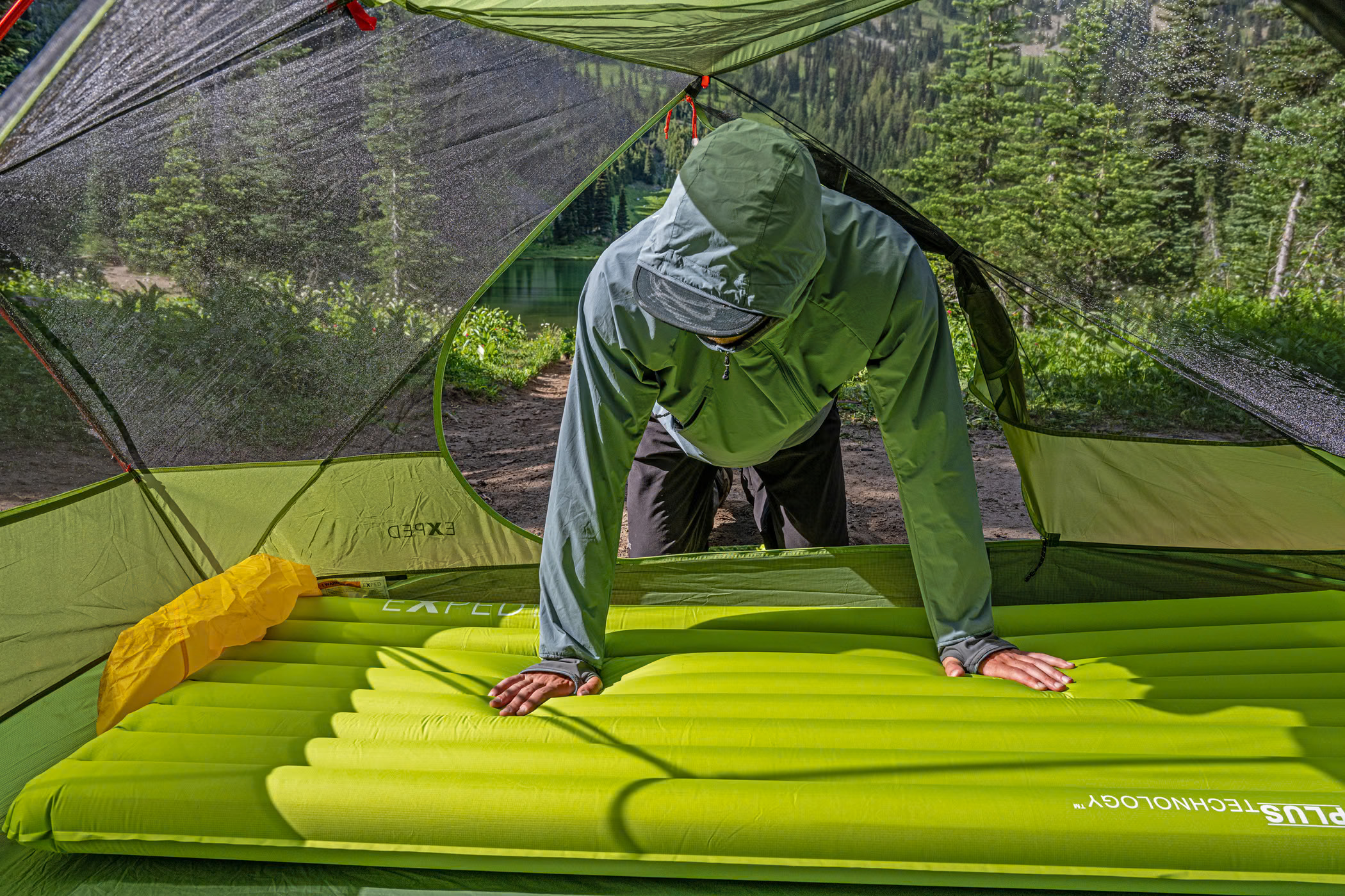
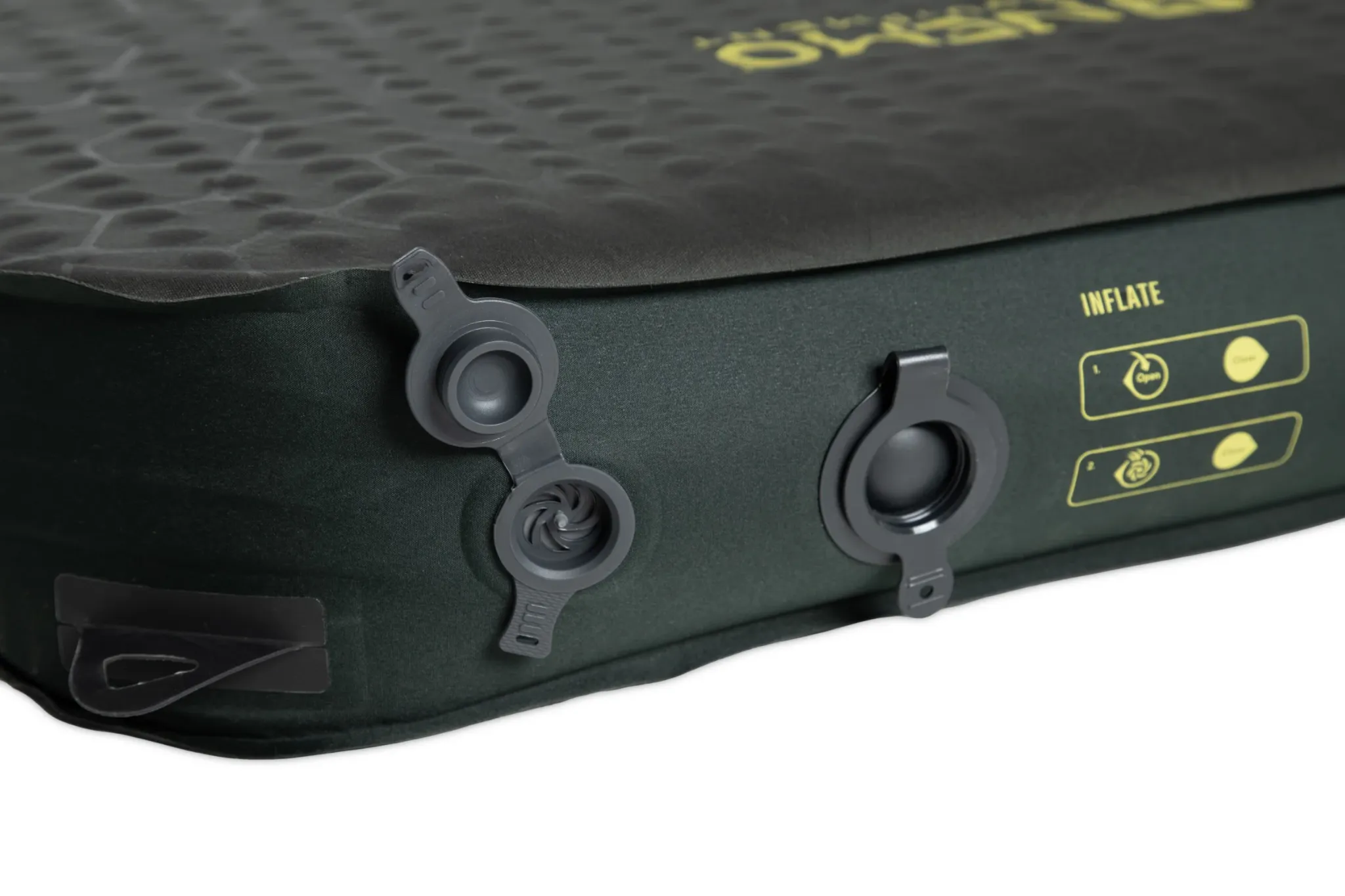
Try the support with your sleeping bag or quilt on top, lying in the position you use at night. Sitting upright loads a small area of the mat and gives a different impression from lying on your side. Make small valve adjustments while lying down, then roll over and check again. On our Exped, Adam started slightly firm and released air after settling onto it; his hip and shoulder stayed clear of the ground.
The sleeping bag needs the mat underneath
Your body flattens the sleeping bag's filling beneath you, reducing the loft that traps warm air. The mat supplies insulation that supports your weight. A thicker sleeping bag around your shoulders won't stop heat escaping through an under-insulated mat. NEMO explains this distinction in its sleep-system guidance. [7]
Sleeping-bag laboratory ratings include an insulating mat beneath the test manikin. When comparing bags, keep their comfort, limit and extreme ratings alongside the mat you're planning to use. There isn't a sensible calculation that adds an R-value to a bag's temperature rating.
If the cold is concentrated under your back and hips while the bag feels warm above you, investigate the mat's insulation and inflation before spending money on a heavier sleeping bag.
Work through the symptoms before replacing equipment. Cold underneath calls for a look at the mat, including whether it has lost air. A draught at the neck calls for a look at the bag's opening and fit. Cold feet hanging beyond the end call for a longer sleeping surface. These are different problems, and spending the whole budget on a warmer bag leaves some of them untouched. Our Wraptor test, for example, identified shoulder draughts when the sleeper rolled over.

Two mats can add up to a warmer bed
R-values add when mats are stacked. Put an R3.5 inflatable over an R2 foam pad and the combined value is R5.5 across the overlapping area. That extra insulation extends the use of a mat you already own. NEMO and Therm-a-Rest both describe stacking as a way to increase insulation. [7] [6]
A foam pad underneath also puts a protective layer between the inflatable and the tent floor. Keep both mats aligned, with the insulating surfaces covering the parts of your body that need them. A short foam pad only adds its insulation where it overlaps.
Two mats side by side give you a wider bed; their R-values don't add. Nor can you assign an R-value to a jacket or an empty rucksack and include it in the calculation.
Foam is useful if an inflatable develops a leak, but the remaining foam pad has its own, lower R-value. Pack a compatible repair kit for a cold trip. Our sleeping mat puncture guide covers finding slow leaks and making a repair that holds.
Do the addition before buying the extra pad. An R2 foam pad under an R2 summer inflatable gives R4, still below the R6 starting point above for snow and sustained cold. The same foam under an R4.5 mat gives R6.5. Compare the weight and packed size of that two-mat bundle with a single winter mat, especially if the foam will have to travel outside an already full rucksack.
How this fits our Exped and NEMO experience
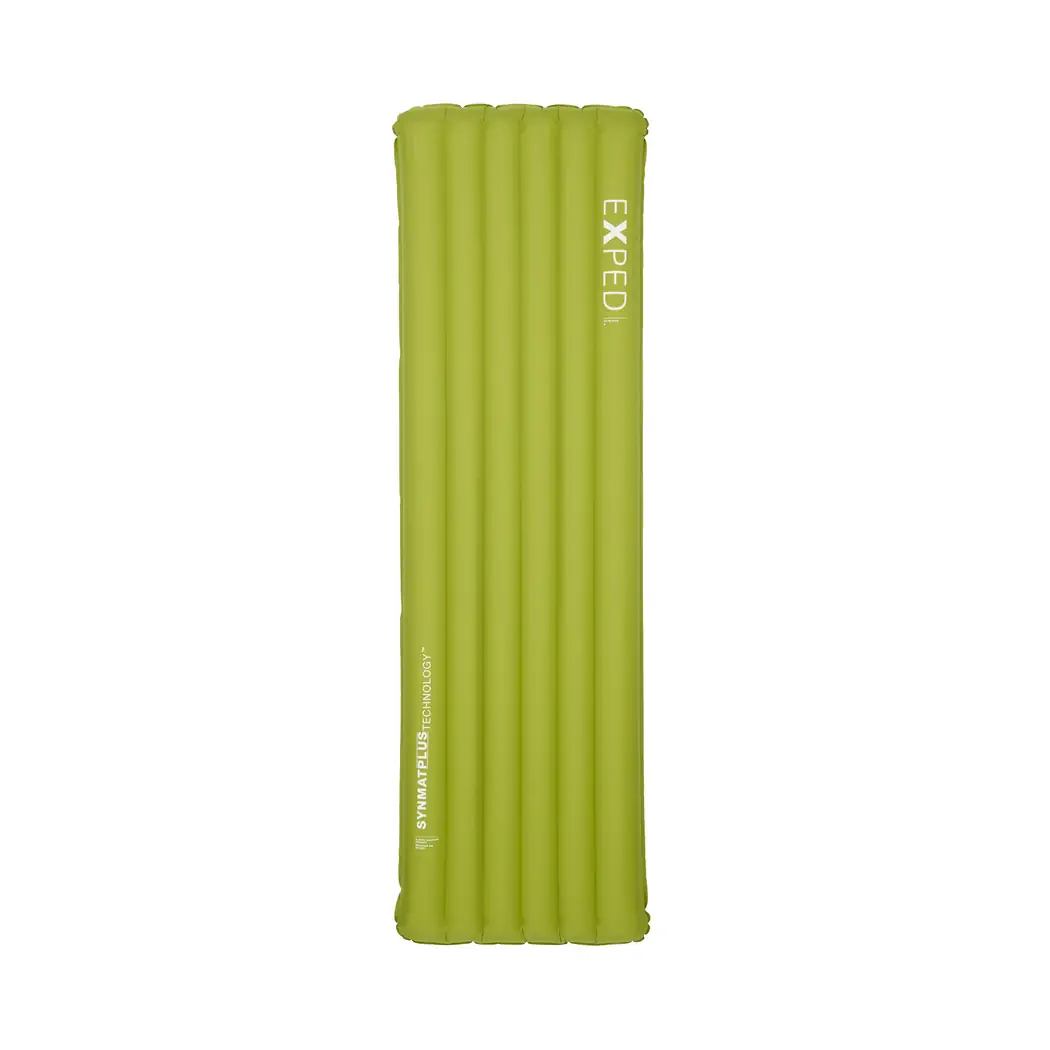
The Exped Ultra 6.5R is a useful reminder to read the specification as well as the model name. Exped currently lists its ASTM R-value as 6.9. It uses synthetic microfibre insulation with a reflective layer inside a compact backpacking mat. [8]
Adam used his Medium for about 60 nights in Quebec and the Lake District. On a night near Mont-Tremblant that fell to -12°C, he used it with a 15°F Enlightened Equipment Revelation quilt and felt no cold coming through underneath. At 75 kg, he also found its 9 cm depth kept his hip and shoulder off the ground when sleeping on his side.
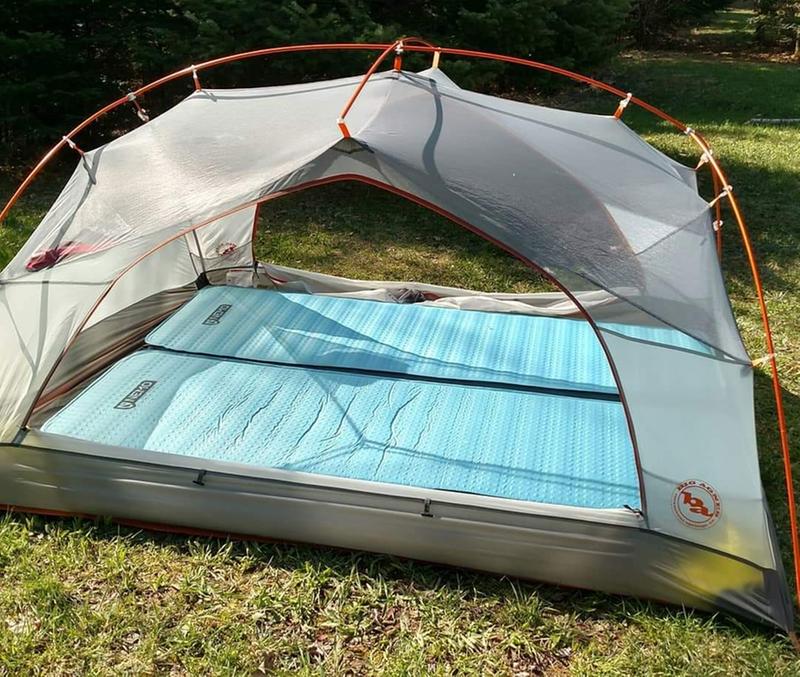
Our NEMO Roamer review records 90 consecutive nights on two regular Singles, with temperatures ranging from 18°C to 1°C. We felt no ground cold at the lower end, while the foam felt warm against the body during warmer spells. The R-value recorded in the review is 7.0.
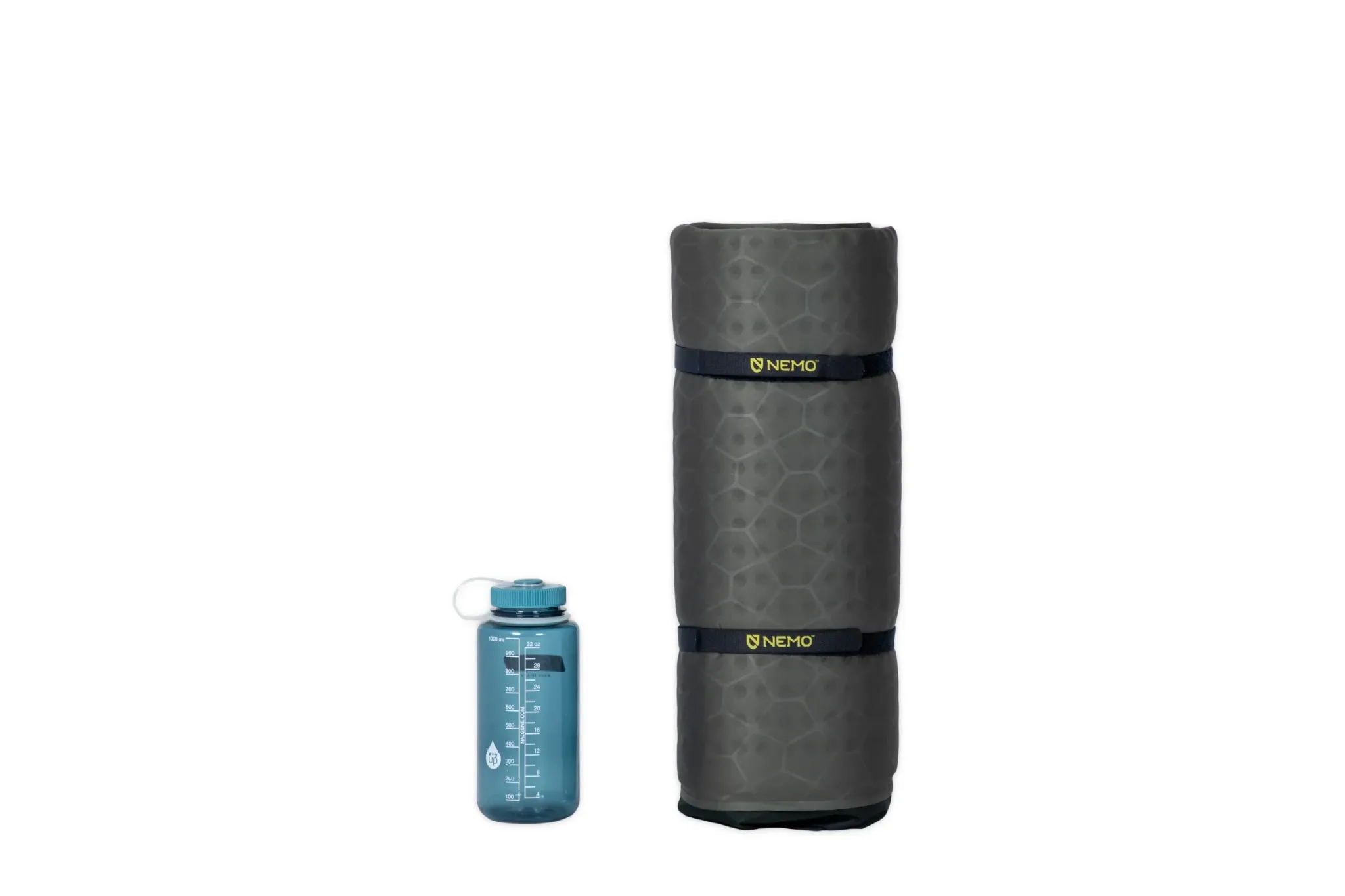
Those mats illustrate different ways of carrying insulation. The Exped packs down for a walking trip; the Roamer provides a substantial foam-supported bed that takes much more carrying space. Our Exped Ultra 6.5R vs NEMO Roamer comparison gets into those practical differences.
The width also changed how those beds felt. Adam's Exped Medium is 52 cm wide, with raised outer chambers that helped keep him centred. The Roamers gave two side and front sleepers a much more substantial mattress, and both adjusted the firmness by releasing small amounts of air. Those details belong beside the insulation figure when choosing: warmth underneath is welcome, but so is enough room to turn over without landing on the floor.
Using a winter mat in summer
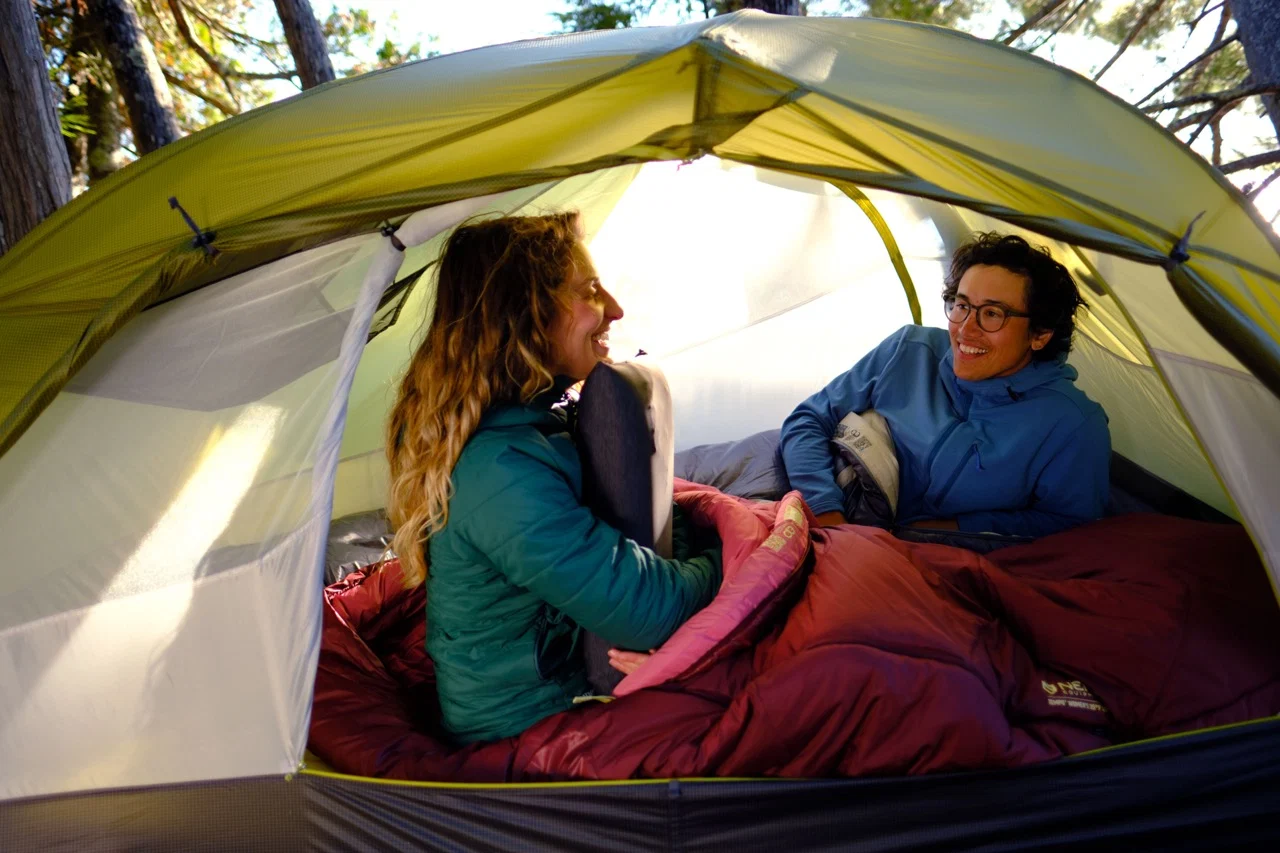
A high R-value mat stays useful when the weather warms up. It still slows heat loss towards the ground. If you sleep hot, a lower-R mat lets more heat escape towards cooler ground on warm nights. [7] Our Roamers' warm feel in summer was one reason a sheet was welcome.
For someone buying one mat, the trade is between extra insulation for colder trips and the weight, bulk and price of the warmer model. Compare those figures for the actual size you're buying. Once the insulation is sufficient, comfortable support and room to turn over deserve just as much attention.
Our wider sleeping mat buying guide covers shape, width, firmness, packed size and tent fit.
Check complete packed weights when comparing options. A pump sack, storage bag and repair kit all have to come along too, and a foam pad adds its own bulk to a stacked setup. For car camping, a large foam-supported mattress is an easy load to accept. On a walking route, the same volume competes with food, waterproofs and the sleeping bag. Choose enough insulation first, then decide how much carrying space you can give it.
Sources and further reading
The test and manufacturer guidance
Technical sources checked on 9 November 2026. The Exped and NEMO field observations come from our published reviews.
- Sea to Summit: what an R-value measures
- REI: sleeping pad insulation ranges
- Sea to Summit: R-values, frost and temperature recommendations
- ASTM F3340-22: scope of the thermal resistance test
- Exped: how R-value testing works
- Therm-a-Rest: winter mat construction and stacking
- NEMO: R-values, stacking and the sleeping setup
- Exped: Ultra 6.5R specifications